Compliance and risk teams play a defining role in how organizations operate, grow, and protect themselves. You are responsible for identifying risk, enforcing policies, meeting regulatory obligations, and ensuring the business can move forward with confidence. That responsibility becomes harder when information is scattered, processes vary by team, and controls live in disconnected systems.
Many compliance and risk functions still rely on spreadsheets, shared drives, and email-driven approvals. Over time, this approach introduces gaps. Policies go out of date. Evidence becomes difficult to track. Risks surface too late. Audits turn into reactive, high-pressure exercises rather than predictable processes.
Purpose-built software for compliance and risk teams brings structure and visibility to these challenges. It centralizes policies, risks, controls, and documentation while supporting consistent workflows and accountability. Instead of chasing information, teams can focus on proactive risk management and continuous compliance.
The right platform also supports collaboration. Compliance does not live in isolation. Legal, HR, IT, and operations all play a role. Software that connects these groups around shared processes helps reduce friction and improves trust across the organization.
Below, we define what this software is, what to consider when choosing a solution, and the platforms that best support modern compliance and risk teams.
Top 10 software for compliance and risk teams for 2026
- Axero
- RSA Archer
- LogicGate
- MetricStream
- ServiceNow GRC
- NAVEX Global
- RiskWatch
- OneTrust
- Resolver
- AuditBoard
What is software for compliance and risk teams?
Software for compliance and risk teams refers to platforms designed to help organizations identify, manage, and mitigate risk while meeting regulatory and internal requirements. These tools support activities such as policy management, risk assessments, control tracking, incident reporting, and audit readiness.
At a basic level, this software centralizes compliance-related information. Policies, procedures, evidence, and risk registers live in one secure system rather than across multiple tools. This improves accuracy and reduces manual effort.
For risk teams, the value lies in visibility and consistency. You can assess risk across the organization, track mitigation efforts, and monitor changes over time. For compliance teams, the focus is on control enforcement, documentation, and readiness for audits or regulatory reviews.
The strongest platforms integrate with existing systems and support role-based access, ensuring the right people contribute without compromising governance.
What to consider when choosing the right software for compliance and risk teams
Choosing the right platform requires balancing control with usability. Compliance software must be rigorous, but it also needs to fit into daily work.
Centralized policy and documentation management
Look for a platform that stores policies, procedures, and evidence in one governed location. Version control and access permissions are essential.
Risk assessment and tracking
Strong tools support consistent risk identification, scoring, and mitigation tracking. This helps teams compare risk across departments and over time.
Workflow and accountability
Compliance depends on repeatable processes. Automated workflows, approvals, and reminders help ensure tasks do not fall through the cracks.
Reporting and audit readiness
Dashboards and reports should give clear insight into compliance status, open risks, and outstanding actions. This reduces audit stress and improves leadership confidence.
Adoption and collaboration
If teams avoid the platform, compliance suffers. Prioritize intuitive interfaces and tools that encourage participation beyond the compliance function.
10 best software for compliance and risk teams
1. Axero
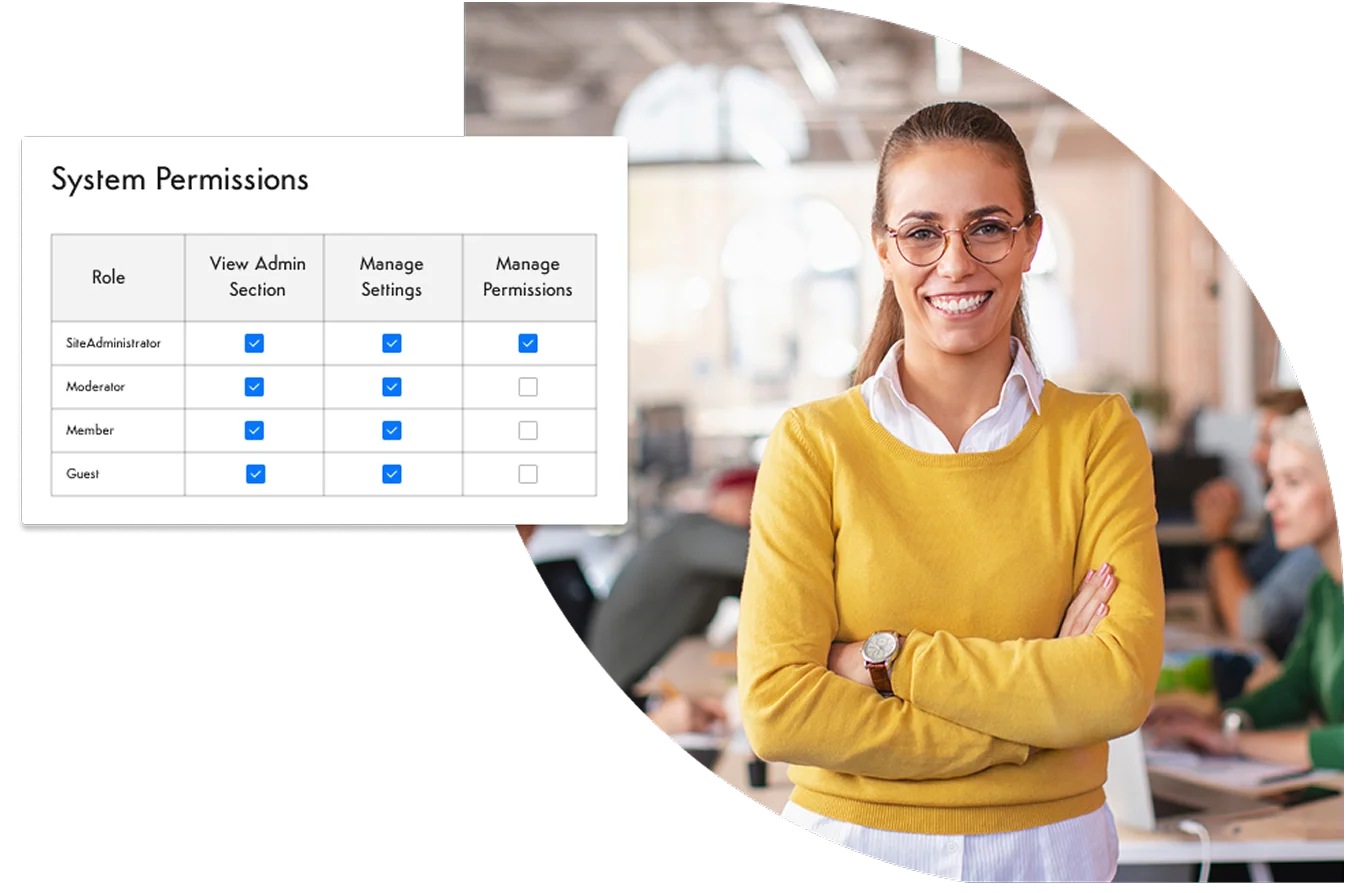
Axero supports compliance and risk teams by providing a centralized, governed hub for policies, procedures, communication, and collaboration. While many compliance tools focus narrowly on risk registers or controls, Axero addresses a foundational challenge: ensuring people know, understand, and follow the rules.
With Axero, compliance teams can publish policies, standards, and guidance in a single source of truth. Role-based access ensures sensitive content stays protected, while version control maintains accuracy over time. This reduces confusion and helps demonstrate due diligence during audits.
Axero also supports structured workflows for requests, acknowledgments, and updates. Teams can track who has reviewed policies, surface critical updates, and reduce reliance on email. Built-in analytics provide insight into engagement, helping compliance leaders identify gaps in awareness or adoption.
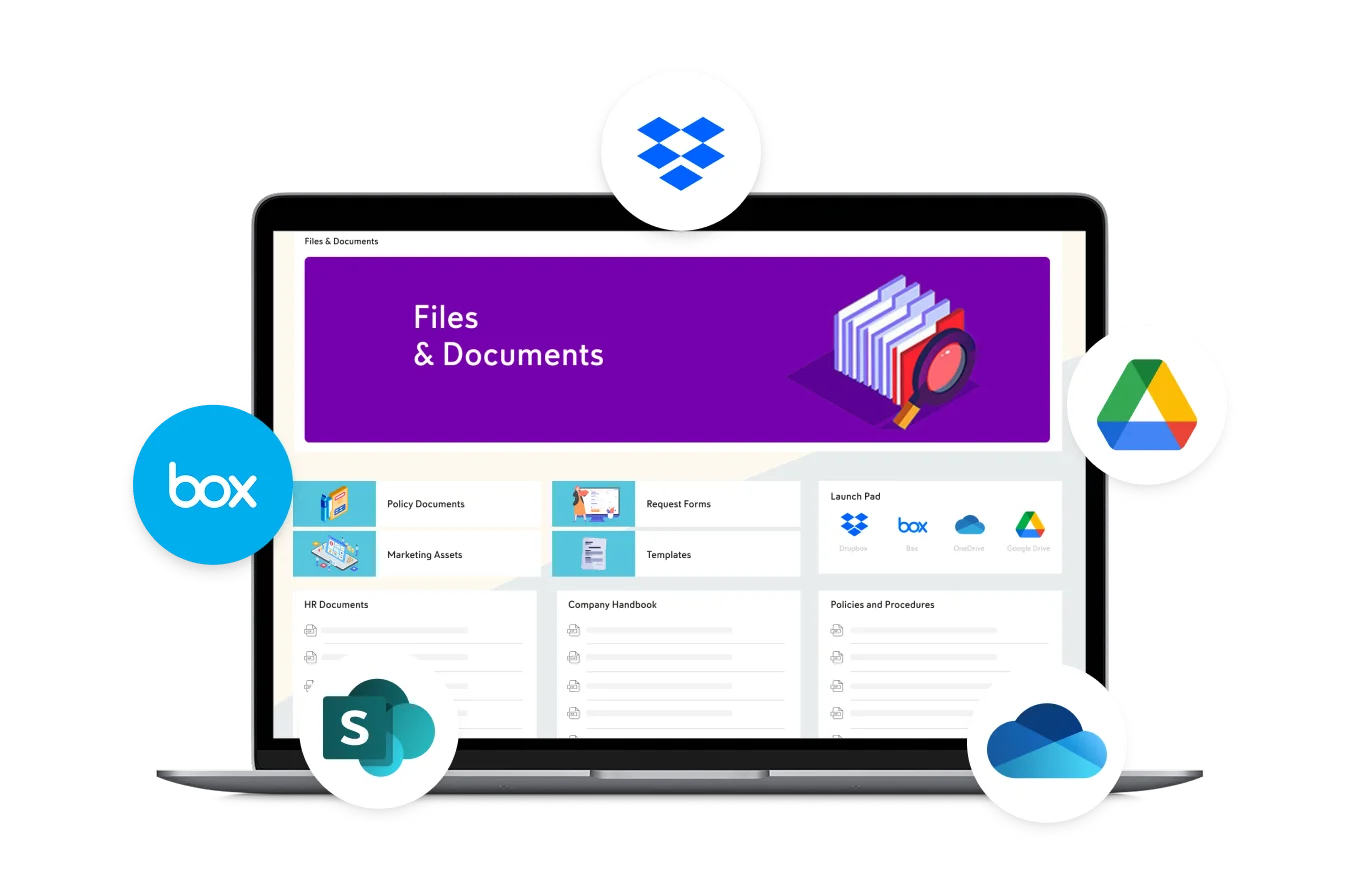
By integrating with existing systems, Axero fits into the broader risk and compliance ecosystem. It strengthens the communication and governance layer that many compliance programs struggle to maintain.
Key features of Axero
- Centralized policy hub: Keeps compliance content accurate, accessible, and governed.
- Structured workflows: Supports acknowledgments, updates, and compliance-related requests.
- Engagement analytics: Shows how policies are consumed and understood.
Best for: Compliance and risk teams that need a strong communication and governance foundation.

2. RSA Archer

RSA Archer is an established enterprise platform focused on governance, risk, and compliance management. It is commonly used by large organizations with complex regulatory environments.
The platform supports risk assessments, control management, incident tracking, and regulatory mapping. Compliance teams can standardize how risks are identified and monitored across the organization.
RSA Archer offers deep configuration and reporting capabilities, which support detailed oversight and audit requirements. This level of control often requires dedicated administration and mature processes.
Key features of RSA Archer
- Enterprise risk management: Centralizes risk identification and tracking.
- Control and issue management: Supports structured remediation.
- Advanced reporting: Provides detailed compliance insights.
Best for: Large enterprises with mature GRC programs.
3. LogicGate

LogicGate is a modern GRC platform designed to bring flexibility and usability to risk and compliance management. It emphasizes configurable workflows and clear visibility.
Compliance teams use LogicGate to manage risk assessments, policy compliance, and issue tracking. The platform allows teams to adapt processes without heavy technical effort.
Dashboards and visual reporting help leaders understand risk posture and compliance status at a glance. LogicGate balances structure with accessibility, supporting broader adoption.
Key features of LogicGate
- Configurable workflows: Adapts to different compliance processes.
- Visual dashboards: Improves risk visibility.
- Scalable architecture: Grows with the organization.
Best for: Teams seeking flexibility without sacrificing governance.
4. MetricStream
MetricStream is an enterprise-grade GRC platform designed to help compliance and risk teams manage regulatory obligations, enterprise risk, and audit activities from a centralized system. It is commonly used in highly regulated industries.
The platform supports risk assessments, compliance management, internal audits, and third-party risk tracking. Compliance teams can map regulations to controls and evidence, which helps maintain consistency across frameworks and jurisdictions.
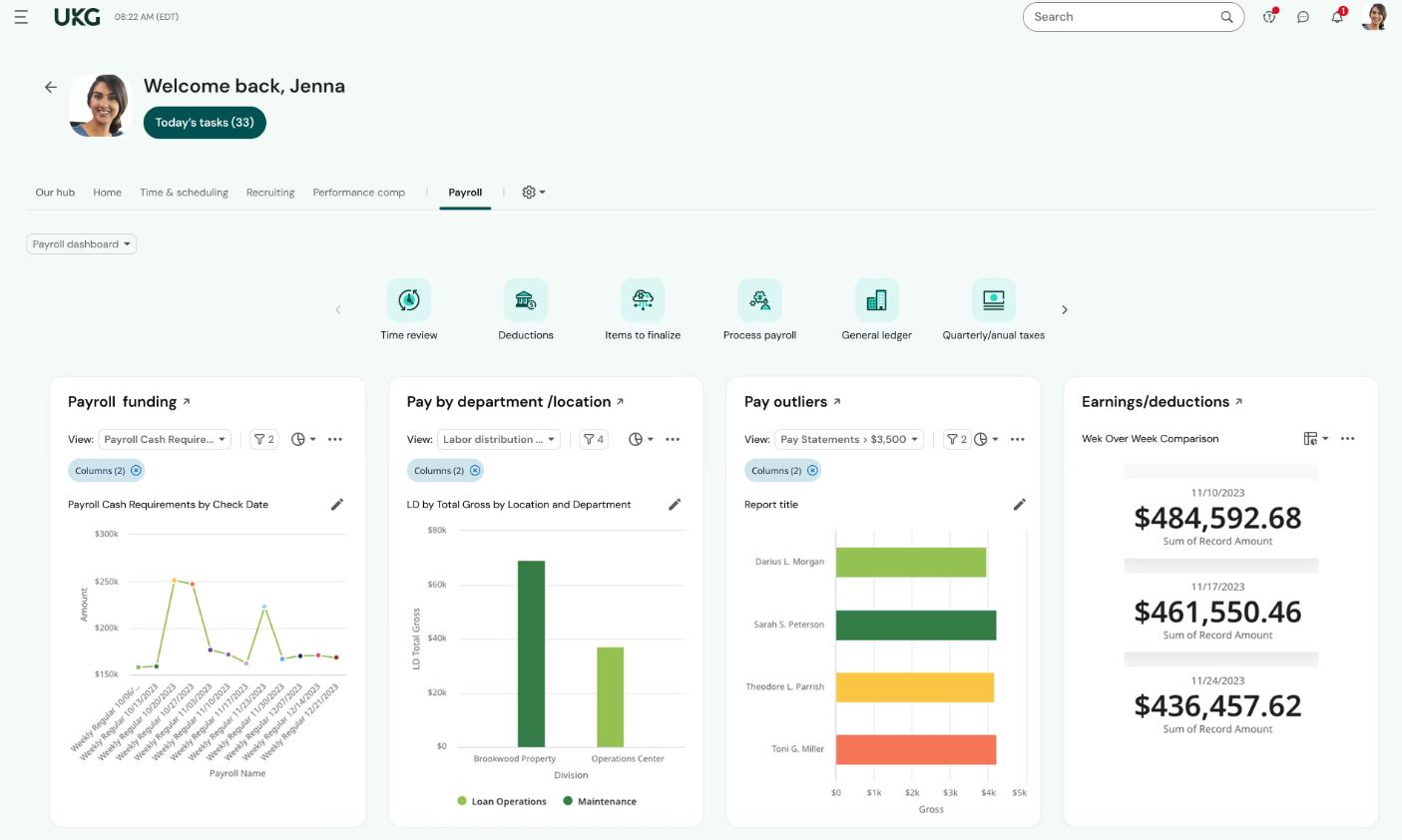
MetricStream offers robust reporting and dashboards that provide leadership with insight into risk exposure and compliance status. Its depth supports complex requirements but often requires dedicated resources for configuration and ongoing management.
Key features of MetricStream
- Integrated GRC modules: Connects risk, compliance, and audit activities.
- Regulatory mapping: Links controls to requirements and evidence.
- Executive reporting: Supports oversight and decision-making.
Best for: Large organizations with complex regulatory and risk environments.
5. ServiceNow GRC

ServiceNow GRC extends the ServiceNow platform to support governance, risk, and compliance activities. It is often used by organizations already invested in the ServiceNow ecosystem.
Compliance teams use ServiceNow GRC to manage risks, controls, issues, and compliance workflows in a structured way. Integration with IT and operations data helps surface risk in context rather than in isolation.
Automated workflows and task management improve accountability and reduce manual follow-ups. Reporting tools provide visibility into risk posture and remediation progress.
The platform’s strength lies in integration and automation, though it may feel complex for teams seeking a simpler compliance solution.
Key features of ServiceNow GRC
- Integrated workflows: Connects compliance tasks with operational systems.
- Risk and control management: Standardizes assessments and remediation.
- Automation and reporting: Improves consistency and visibility.
Best for: Organizations using ServiceNow that want compliance embedded into operations.
6. NAVEX Global

NAVEX Global focuses on ethics, compliance, and risk management, with strong capabilities around policy management, training, and incident reporting.
Compliance teams use NAVEX to manage codes of conduct, deliver compliance training, and capture reports through whistleblower hotlines. This supports regulatory requirements and ethical culture initiatives.
The platform provides reporting and dashboards that help teams monitor incidents, training completion, and policy acknowledgment. NAVEX emphasizes accessibility and participation across the organization.
While it may not cover every aspect of enterprise risk management, it excels at supporting ethical compliance and regulatory reporting.
Key features of NAVEX Global
- Policy and training management: Supports awareness and accountability.
- Incident reporting: Enables confidential reporting channels.
- Compliance reporting: Tracks participation and trends.
Best for: Compliance teams focused on ethics, conduct, and regulatory reporting.
7. RiskWatch

RiskWatch is a risk and compliance platform designed to help organizations assess, manage, and mitigate risk across different domains, including cybersecurity and operational risk.
Compliance and risk teams use RiskWatch to perform risk assessments, track controls, and document mitigation efforts. The platform supports standardized scoring models and reporting.
RiskWatch offers flexibility in how assessments are configured, which helps teams tailor risk management to their specific needs. Reporting tools support audit preparation and leadership communication.
The platform focuses primarily on risk assessment and control tracking rather than broader communication or policy engagement.
Key features of RiskWatch
- Risk assessment tools: Standardizes identification and scoring.
- Control tracking: Documents mitigation efforts.
- Audit-ready reporting: Supports reviews and oversight.
Best for: Teams prioritizing structured risk assessment and mitigation.
8. OneTrust

OneTrust is a widely used platform for privacy, data governance, and risk management. Compliance teams often rely on it to manage regulatory requirements related to data protection, third-party risk, and information governance.
The platform supports assessments, policy enforcement, vendor risk reviews, and compliance reporting across multiple regulations. This helps teams maintain consistency as requirements evolve.
OneTrust provides dashboards that give visibility into compliance posture and outstanding actions. Its breadth makes it suitable for organizations dealing with complex privacy and data risk obligations.
While powerful, OneTrust is primarily focused on data and privacy risk. Many teams complement it with a broader communication and policy platform like Axero to reinforce awareness.
Key features of OneTrust
- Privacy and data governance: Manages regulatory requirements and controls.
- Third-party risk management: Assesses vendor compliance.
- Compliance dashboards: Tracks status and gaps.
Best for: Compliance teams focused on privacy, data protection, and vendor risk.
9. Resolver

Resolver is a risk management platform that helps organizations identify, assess, and respond to risk events. It supports both proactive risk assessment and reactive incident management.
Compliance and risk teams use Resolver to capture incidents, track investigations, and link events to underlying risks. This connection helps teams understand patterns and prioritize mitigation.
The platform offers reporting and visualization tools that support leadership insight and audit readiness. Resolver emphasizes clarity and usability, supporting broader participation.
Resolver focuses on risk intelligence and response rather than policy communication, which makes it most effective when paired with a centralized hub like Axero.
Key features of Resolver
- Incident and risk tracking: Connects events to risk drivers.
- Visualization and reporting: Improves insight and oversight.
- Workflow support: Manages investigations and responses.
Best for: Risk teams focused on incident management and analysis.
10. AuditBoard

AuditBoard is a cloud-based platform designed to support audit, risk, and compliance functions. It is commonly used by internal audit and compliance teams to manage audits and controls.
The platform helps teams plan audits, document evidence, and track remediation activities. This structure improves coordination and reduces audit cycle time.
AuditBoard provides reporting tools that give visibility into audit findings and compliance status. Its interface emphasizes usability, which supports adoption across audit stakeholders.
AuditBoard focuses primarily on audit and controls rather than organization-wide communication. Many teams use it alongside Axero to support awareness and policy alignment.
Key features of AuditBoard
- Audit management: Plans and tracks audit activities.
- Evidence and remediation tracking: Improves accountability.
- Compliance reporting: Supports oversight and audits.
Best for: Compliance and audit teams managing internal and external audits.
Bringing compliance and risk together with the right platform
Compliance and risk programs succeed when structure, visibility, and participation come together. While specialized GRC tools manage assessments, controls, and audits, many programs struggle with awareness, consistency, and follow-through.
A centralized platform helps bridge that gap. By aligning communication, documentation, and accountability, compliance teams reduce risk created by confusion or outdated information. Teams spend less time chasing acknowledgments and more time managing risk proactively.
This is where Axero fits best. We help compliance and risk teams create a governed hub for policies, procedures, and updates that people actually use. Axero strengthens the foundation that every compliance program depends on.
Book a demo and see how Axero supports confident, consistent compliance across your organization.





 info@axerosolutions.com
 1-855-AXERO-55