

Let’s be honest: employee handbooks haven’t always been the most gripping read. For decades, they were dusty binders new hires would skim through on their first day and never touch again, full of legal jargon and about as exciting as reading the terms and conditions for a software update.
Back in the mid-twentieth century, when industrialization boomed and businesses began adopting hierarchical management structures, the first versions of employment manuals were pretty straightforward and included basic history and expectations.
Today’s employee handbook is a much more comprehensive (and dare we say, actually interesting!) guide. It covers everything from your organization’s core company values and code of conduct to the nitty-gritty details on compensation and benefits.
Understanding what makes a good handbook can save time, reduce risk, and set your entire workforce up for success. Let’s dive in.
What are the key components of an employee handbook?
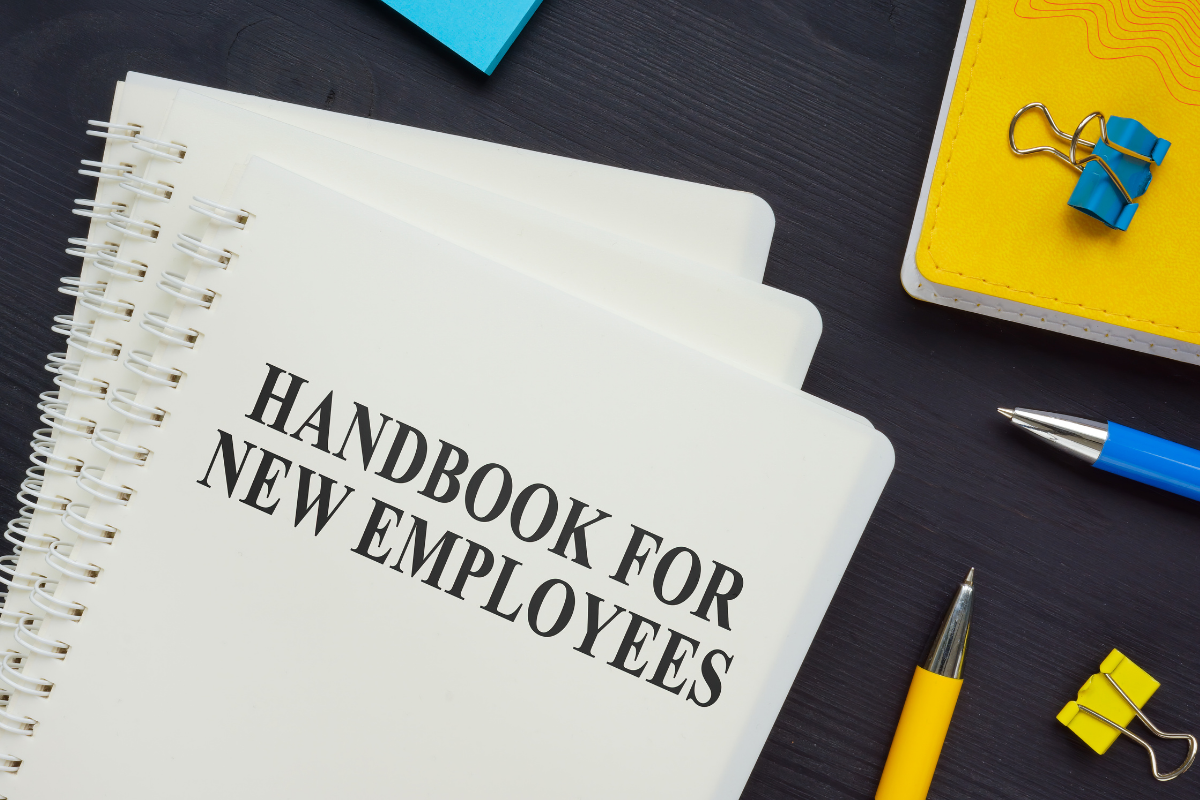
Employee handbooks are used by businesses of all sizes and industries. They can be extremely diverse as they tend to reflect the unique priorities of each organization. In general, however, there are a few components you’re likely to come across.
Introduction and welcome letter
Typically, this is a brief note from the executive team welcoming you to your new role. It can also include some contextual info on the business, a mission statement, annual goals, and the company values that drive the business forward.
Employment overview
This outlines what the document covers and where the employee can go if they can’t find the information they’re after. You can expect information on:
- Recruitment policy
- Employment-at-will status
- Compensation and benefits
- Attendance and punctuality
- Code of Conduct
- Workplace practices
Workplace practices From the company policies regarding PTO to the dress code, most of the information new employees want to brush up on can be found in this section.

Employment policies
Some company policies are going to be more substantial and deserve their own subsection of an employee handbook. These include:
- Data privacy policy
- Anti-bribery policy
- Parental and family leave policies
- Health and safety policies
- Resignation and termination procedures
- Disciplinary actions or performance evaluation measures
An effective employee handbook clearly communicates these policies. They are essential for legal compliance and protecting both the organization and its workers.
What are some employee handbook examples?
The modern employee handbook has come a long way from being a—let’s face it—slightly dull, static document. In the past decade, more than one company has gone viral for how they present their employment culture.
Netflix

Netflix’s culture memo gained a lot of attention for laying out the company’s values. The memo demonstrates the clear expectations it has of its employees, especially when it comes to teamwork and inclusion.
As an added bonus, it keeps policies concise. Their vacation policy, for example, is two words: take vacation.
GitLab

GitLab’s team handbook is a mammoth online repository of over 2,000 pages of text. While it may seem like overkill, it shows GitLab’s commitment to transparency. The handbook is divided into subsections on:
- Company
- People Group
- Product
- Engineering
- Enterprise Technology and AI
- Security
- Marketing
- Sales
- Finance
- Legal and Corporate Affairs
Each subsection contains clear links, and employees can even make requests for clarifications or suggestions for improvement.
Valve

Valve’s employee handbook for new employees went viral as one of the best examples of an employee handbook in the digital era. The handbook is friendly, easy-to-understand, and includes specific examples of situations employees may face and how they can be handled.
As Valve operates as a flat structure, the handbook guides new employees through the process of choosing the projects they’ll work on without input from a Manager or Team Lead. It also incorporates some fun drawings and annotations!
What are the benefits of an employee handbook?

There are several benefits to having an employee handbook. It keeps important documents in one, easy-to-find place and can greatly speed up the onboarding process.
Reduces legal risk
Think of your handbook as your legal safety net.
Handbooks help employers reduce legal liability by documenting everything from workplace safety protocols to disciplinary actions and performance evaluation processes. They also ensure company policies are legally compliant as they’re annually reviewed and adjusted.
Here’s a telling stat: 72% of HR professionals were polled citing ‘legal compliance’ as their biggest concern around contracts and handbooks. Having an employee handbook is often the first line of defense in disputes, as it shows employees were informed of the company’s policies.
Communicates company policies and procedures
Without company policies, organizations run the risk of tripling the work of managers and HR teams.
Directing employees to one accessible document that contains the company’s major policies prevents employees from hunting through emails, scattered documents, or relying on word-of-mouth information that may be outdated or inaccurate.
Having the information in a single location—whether that’s a printed manual, a PDF in a shared folder, or a living document hosted on your company intranet—makes life easier for everyone.
Creates a smoother onboarding process
First impressions matter.
A study by Gallup found that only 29% of new hires felt fully prepared and supported to excel in their role after their onboarding experience. Your employee handbook plays a crucial role in welcoming new hires and setting them up for success from day one.
Rather than bombarding your new hire with hours of verbal information and directions on their first day, a well-organized employee handbook gives them a reference guide they can review at their own pace and return to as needed.
A handbook can also demonstrate the organization’s commitment to transparency and help new employees understand their responsibilities right from the start.

Develops uniformity
Uniformity isn’t just about being fair, it’s about building your company culture. Consistency builds trust. A comprehensive handbook establishes standard policies that apply organization-wide, ensuring all employees, junior and senior, receive the same vacation procedure, performance review process, and disciplinary procedures as their counterparts.
When everyone operates under the same guidelines, you create a cohesive organizational identity that makes collaboration easier and reduces inter-departmental conflicts.
How to maintain an effective employee handbook?

A handbook that hasn’t been touched in five years isn’t doing you any favors. It might have outdated policies, confusing information or worse—it could leave you exposed to legal issues you didn’t even know existed. Keeping your handbook fresh and useful isn’t a massive headache, either.
Here are a few ways to keep it in shape.
Conduct regular reviews
Plan to give your entire handbook a thorough review at least once a year. Employment laws are constantly changing, whether it’s an update to leave policies or expanded discrimination protections. Subscribing to HR newsletters, attending the latest conferences, or partnering with an employment attorney can help you stay in the loop about updates in your industry.
But legal stuff isn’t the only reason to update your handbook. Whenever you make a significant operational change, update the handbook right away so your employees can quickly find details on new processes and clarify any questions.
Gather feedback from employees and managers
Want to know what’s actually working in your handbook? Ask the people using it every day!
Managers are on the front lines, answering questions and dealing with policy confusion. They know exactly which sections trip people up and will be able to offer suggestions for making your handbook easy to navigate and understandable.
Communicate new changes
Don’t make the rookie mistake of quietly updating the new handbook and calling it a day. Make sure you tell your employees about the changes and where they can find them. Even small tweaks and clarifications can be explained in a straightforward email.
Bigger changes to policies or your code of conduct may need a meeting or Q&A session where people can understand what’s different and why.
Make sure the updated handbook is somewhere everyone can easily find it—your company intranet, employee portal or shared drive. Many companies find that hosting their handbook on an intranet makes version control easier, since employees can automatically view the updated version.

Unify your workforce with consistent standards
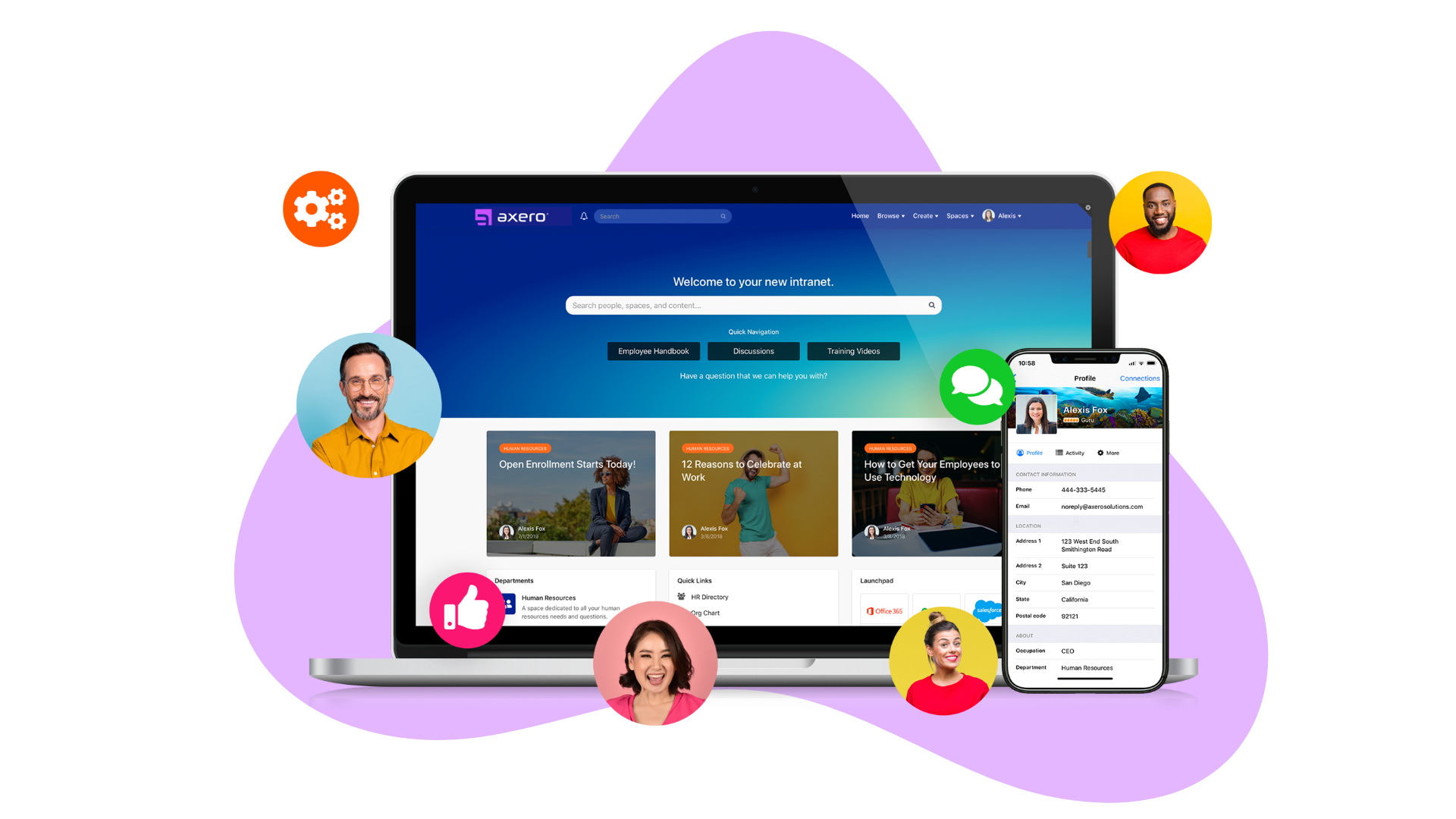
Your employee handbook is a powerful tool for building a transparent and consistent workplace culture. From reducing legal risks to streamlining onboarding, a well-maintained handbook benefits your entire organization.
Even the best handbook is useless if your employees can’t find it when they need it. By hosting the handbook on your company’s intranet, you create a single, reliable source of truth.
Axero’s intranet solutions are designed to make essential resources available effortlessly, turning your handbook from a static document into a dynamic tool that evolves with your business. Book a demo today to discover how Axero can upgrade your document management.











 info@axerosolutions.com
 1-855-AXERO-55