
As organizations grow, internal support requests increase quickly. Employees need help with IT access, HR questions, facilities issues, onboarding tasks, and day-to-day operational problems. When these requests are handled through email, chat messages, or informal conversations, important issues fall through the cracks.
This is where internal helpdesk software becomes essential. It gives organizations a structured way to manage employee requests, track issues, assign ownership, and ensure timely resolution. Instead of reactive firefighting, teams gain visibility, accountability, and consistency.
For mid-sized and enterprise organizations, internal helpdesk software is no longer just an IT tool. It supports HR operations, workplace services, finance, and other internal teams that serve employees. The right platform improves response times, reduces frustration, and helps employees feel supported.
In this article, we explore what internal helpdesk software is, why it matters, what to look for when choosing a solution, and the leading platforms available today, with Axero positioned as the top choice.
Top 7 internal help desk software for 2026
- Axero
- Zendesk
- Freshservice
- Jira Service Management
- ServiceNow
- Zoho Desk
- ManageEngine ServiceDesk Plus
What is internal helpdesk software?
Internal helpdesk software is a system used to manage support requests from employees. These requests, often called tickets, can cover IT issues, HR questions, facilities requests, access problems, and internal services.
The software centralizes incoming requests into a single system. Tickets can be categorized, prioritized, assigned to the right team, and tracked through resolution. Employees gain visibility into request status, while support teams gain control over workload and response times.
Modern internal visibility and prioritization. also include self-service knowledge bases, workflows, reporting, and integrations with other internal systems. This reduces repetitive questions and helps employees solve common issues on their own.
The goal is simple: make internal support reliable, visible, and scalable.
What to consider when choosing the right internal helpdesk software
Before selecting a platform, it’s important to understand how internal support works in your organization and where current gaps exist.
Workflow flexibility
Your platform should support a wide range of workflows without heavy customization. Look for visual builders, conditional logic, and approval paths that can adapt as processes evolve.
Centralized ticket management
All requests should flow into a single system rather than scattered channels. This improves visibility and prioritization.
Self-service and knowledge base
Employees should be able to find answers to common questions without submitting a ticket.
Workflow automation
Routing, approvals, and escalations should be automated to reduce manual effort.
Cross-department support
The platform should support IT, HR, facilities, and other internal teams, not just one function.
Reporting and insights
Dashboards and reports help teams understand workload, response times, and recurring issues.
Ease of use
If employees find the system difficult, they will avoid it. Adoption is critical.
7 best internal helpdesk software platforms
1. Axero

Axero is a centralized intranet and internal service platform that includes powerful internal helpdesk capabilities. It allows organizations to manage employee requests while connecting them directly to internal knowledge, resources, and communications.
What sets Axero apart is its holistic approach. Helpdesk tickets live alongside policies, documentation, and self-service content. Employees can search for answers first, then submit requests when needed, all from one trusted platform.
Axero supports workflows, ticket routing, permissions, and reporting, making it suitable for IT, HR, and operations teams. Because it functions as a central hub, employees do not need to learn multiple systems to get help.

For growing organizations, Axero scales without becoming complex. Governance controls ensure requests are handled consistently, while integrations connect helpdesk workflows to existing systems.
Key features of Axero
- Integrated help desk and knowledge: Support requests live alongside documentation and self-service content.
- Multi-team workflows: Serve IT, HR, and operations from one platform.
- Employee-friendly experience: Make it easy to search, submit, and track requests.
Best for: Organizations that want internal helpdesk functionality embedded into a broader employee experience and knowledge platform.

2. Zendesk
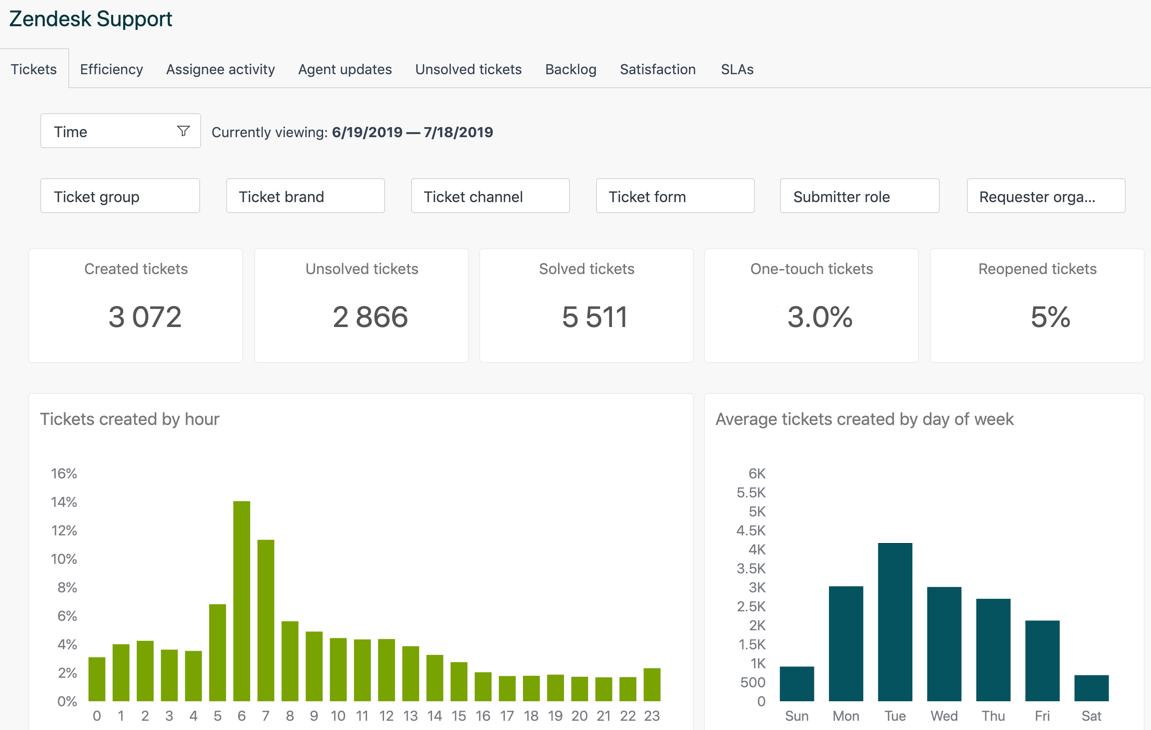
Zendesk is a well-known service desk platform originally built for customer support, with capabilities that can be adapted for internal use. It offers robust ticketing, automation, and reporting features.
For internal help desk scenarios, Zendesk supports request routing, SLAs, and multi-channel intake. Its flexibility allows teams to configure workflows for IT and HR support, though setup often requires careful planning to keep experiences simple for employees.
Zendesk’s strength lies in its maturity and ecosystem. However, it is typically used as a standalone support system rather than as part of a broader internal workplace platform.
Key features of Zendesk
- Advanced ticketing and automation: Manages high volumes of requests efficiently.
- Configurable workflows: Supports multiple internal support functions.
- Extensive integrations: Connects with a wide range of tools.
Best for: Organizations that need a robust, standalone internal service desk.
3. Freshservice
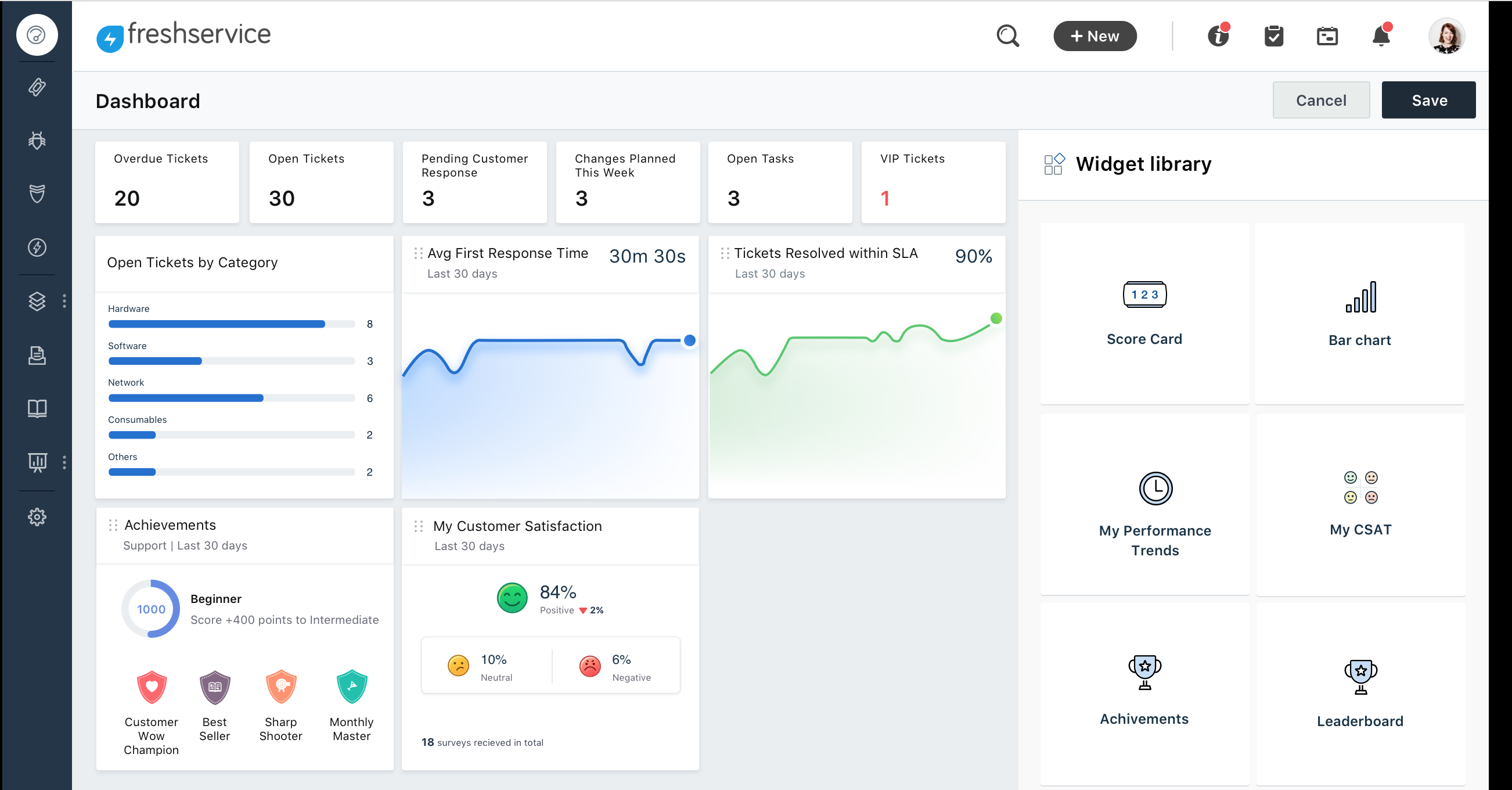
Freshservice is an IT service management platform designed for internal support teams. It focuses on IT workflows while supporting broader employee service use cases.
The platform offers ticketing, asset management, change management, and automation. Its interface is designed to be approachable for both agents and employees, which supports adoption in growing organizations.
Freshservice works well for IT-led help desks. However, extending it beyond IT into HR or general employee services may require additional configuration and process alignment.
Key features of Freshservice
- IT-focused service management: Supports incidents, changes, and assets.
- Automation and SLAs: Improves response times and consistency.
- User-friendly interface: Encourages employee adoption.
Best for: IT teams managing internal support and service requests.
4. Jira Service Management
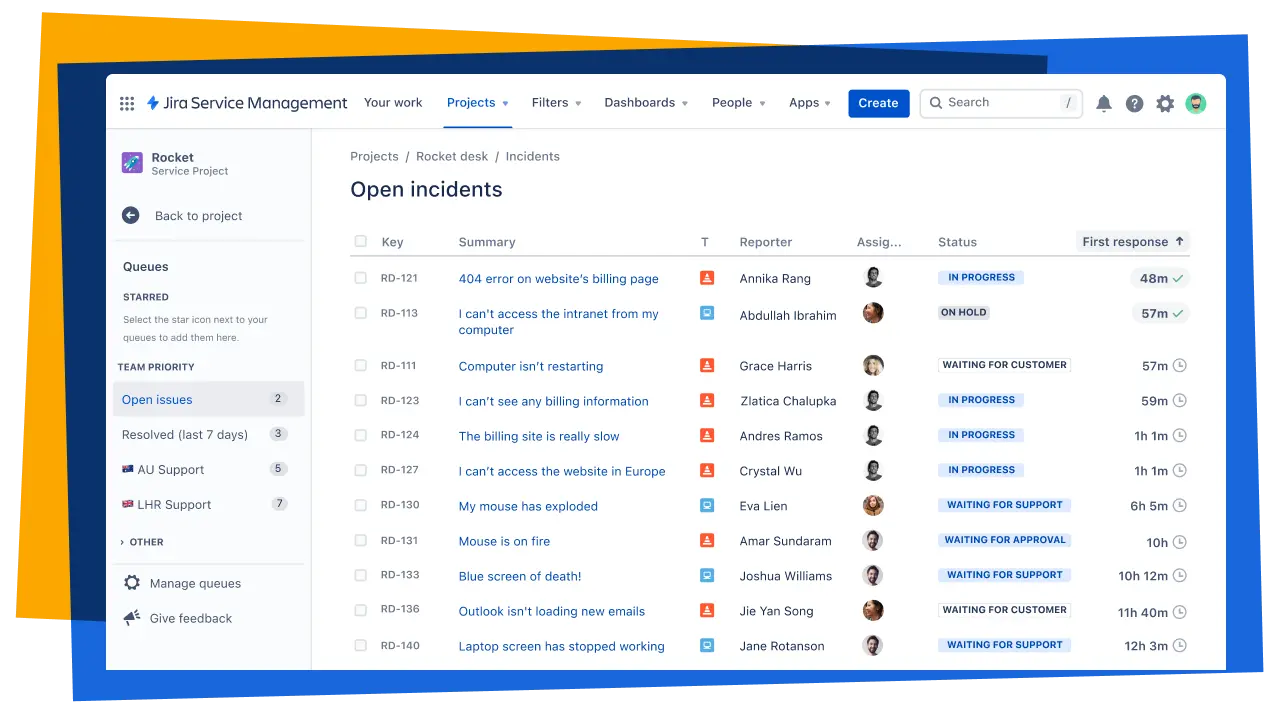
Jira Service Management is an internal help desk platform built for IT and engineering teams, particularly those already using Atlassian tools. It combines ticketing with incident, problem, and change management capabilities.
The platform supports structured workflows, automation, and integrations with Jira Software and Confluence. This makes it effective for technical teams that need visibility into incidents and service requests tied to development work.
For internal use, Jira Service Management offers strong process control. However, its interface and terminology are often optimized for IT users rather than general employees. As a result, organizations may need to invest in configuration and training to ensure adoption across non-technical teams.
Key features of Jira Service Management
- ITIL-aligned workflowst: Supports incidents, changes, and service requests.
- Atlassian ecosystem integratio: Connects seamlessly with Jira and Confluence.
- Automation and SLAs: Improves consistency and response times.
Best for: IT and engineering teams managing structured internal service operations.
5. ServiceNow

ServiceNow is an enterprise service management platform designed to handle complex, large-scale internal support environments. It supports IT service management, HR service delivery, and enterprise workflows.
The platform provides extensive configuration options, automation, and reporting. Organizations can centralize multiple internal services into a single system, creating standardized processes across departments.
ServiceNow’s depth is also its challenge. Implementation and ongoing management typically require dedicated resources and expertise. For many mid-sized organizations, the platform can introduce more complexity than needed for internal help desk use.
Key features of ServiceNow
- Enterprise service management: Supports IT, HR, and cross-functional services.
- Advanced workflow automation: Handles complex processes at scale.
- Comprehensive reporting: Provides deep operational insight.
Best for: Large or highly regulated organizations with complex internal service needs.
6. Zoho Desk

Zoho Desk is a help desk platform designed for both customer and internal support use cases. It offers ticketing, automation, and multi-channel request intake in a relatively accessible package.
For internal help desks, Zoho Desk supports customizable workflows, basic SLAs, and reporting. It integrates well with other Zoho applications, which can be appealing for organizations already using the Zoho ecosystem.
While flexible, Zoho Desk is typically positioned as a standalone support tool. It does not provide built-in employee engagement or knowledge centralization beyond help desk use cases.
Key features of Zoho Desk
- Multi-channel ticketing: Manages requests from email, portals, and forms.
- Workflow customization: Adapts to different internal support teams.
- Zoho ecosystem integrations: Connects with related business tools.
Best for: Organizations seeking a flexible, cost-effective internal help desk.
7. ManageEngine ServiceDesk Plus

ManageEngine ServiceDesk Plus is an internal help desk platform designed to support IT service management and internal support operations. It provides structured ticketing, asset management, and workflow automation for organizations that need control and visibility across support processes.
The platform supports incidents, service requests, problems, and changes, along with configurable SLAs and reporting. It can be deployed on-premises or in the cloud, which appeals to organizations with specific infrastructure or compliance requirements.
ServiceDesk Plus offers strong functionality for IT-led support teams. However, its interface and configuration model are more operational than employee-centric. Adoption across non-IT teams often depends on how well the experience is simplified and aligned with everyday employee needs.
Key features of ManageEngine ServiceDesk Plus
- IT service management workflows: Supports incidents, requests, and changes.
- Asset and CMDB capabilities: Links tickets to hardware and software assets.
- Deployment flexibility: Available on-premises and in the cloud.
Best for: IT teams that need structured internal service management with deployment flexibility.
Choosing the right internal helpdesk software
Internal helpdesk software should reduce friction, not add to it. The best platforms combine ticketing, self-service, and internal knowledge into a single experience employees trust.
Axero stands out by unifying helpdesk workflows with internal content and communication. Instead of treating support as a separate system, Axero makes it part of how employees work every day.
If your organization struggles with missed requests, unclear ownership, or frustrated employees, it may be time to modernize your internal helpdesk. Book a demo with Axero to see how internal support can become simpler, faster, and more effective.











 info@axerosolutions.com
 1-855-AXERO-55