Internal audits play a direct role in how organizations manage risk, maintain compliance, and protect operational integrity. As businesses grow, audits become more frequent, more complex, and more visible to leadership. Spreadsheets, email chains, and disconnected tools cannot keep pace with that reality. Teams need structured systems that bring clarity, consistency, and accountability to the audit process.
Internal audit management software provides that structure. It gives audit teams a centralized place to plan audits, document findings, track remediation, and report progress. Instead of chasing updates across tools, auditors and stakeholders can work from the same source of truth. This reduces friction, shortens audit cycles, and improves confidence in outcomes.
The shift toward remote and distributed work has added further pressure. Audit teams now collaborate across locations, departments, and time zones. Leaders expect real-time visibility into risks and controls. Regulators expect clear documentation and traceability. Software that supports collaboration, governance, and reporting is no longer optional.
At the same time, usability matters. If auditors and business owners avoid the system, data quality suffers and insights disappear. The most effective platforms balance structure with flexibility and deliver an experience people actually use. This is where modern intranet-aligned platforms like Axero stand apart by supporting audit workflows while also strengthening communication, ownership, and transparency across the organization.
Top 12 internal audit management software for 2026
- Axero
- AuditBoard
- TeamMate+
- MetricStream
- Workiva
- FlowForma
- Diligent
- SAP Audit Management
- Oracle Risk Management Cloud
- Ideagen Pentana Audit
- Onspring
- LogicGate
What is internal audit management software?
Internal audit management software is a digital platform that helps organizations plan, execute, document, and report on internal audits in a consistent and controlled way. It replaces manual processes with structured workflows that support every stage of the audit lifecycle.
At its core, this software allows audit teams to define audit plans, scope engagements, assign tasks, and collect evidence in one centralized system. Findings, risks, and recommendations stay linked to the relevant controls and business owners. This creates clear accountability and traceability from identification to remediation.
Modern platforms also support collaboration beyond the audit team. Business stakeholders can respond to findings, upload documentation, and track corrective actions without relying on email or side tools. Leadership gains visibility through dashboards and reports that show audit status, risk exposure, and trends over time.
When connected to a broader digital workplace, internal audit management software becomes even more effective. Policies, procedures, knowledge bases, and communications live alongside audit records. With Axero, audit teams can embed audit activity into daily operations, making compliance part of how people work rather than an isolated function.
What to consider when choosing the right internal audit management software
Choosing the right platform starts with understanding how your audit team works today and how it needs to work tomorrow. The software should support audit rigor without slowing people down. It should also integrate cleanly with your broader digital environment so audits do not operate in isolation.
Below are key areas to evaluate before making a decision.
Audit planning and workflow structure
The platform should support end-to-end audit workflows, from annual planning to issue closure. Look for configurable workflows that match your methodology and approval processes. This ensures consistency across audits while allowing flexibility for different risk areas.
Centralized documentation and evidence management
Audits rely on documentation. The right software centralizes workpapers, evidence, and findings in one secure location. Version control and clear ownership reduce confusion and support defensible audits during reviews or regulatory requests.
Issue tracking and remediation oversight
Identifying issues is only half the job. Strong platforms track remediation tasks, assign owners, and surface overdue actions. This keeps audit outcomes visible and reinforces accountability across the business.
Reporting and executive visibility
Leadership needs clear insight into audit progress and risk exposure. Dashboards and configurable reports help auditors communicate value without manual reporting. Look for tools that translate audit data into meaningful narratives.
Collaboration and user adoption
Audit software must work for auditors and business users alike. An intuitive interface and role-based access encourage participation and timely responses. Axero excels here by embedding audit collaboration within a familiar intranet experience.
Integration with your digital workplace
Audit activities do not exist in a vacuum. Integration with document management, communication tools, and employee directories reduces friction. Platforms that align with your intranet strategy support long-term adoption and governance.
12 best internal audit management software
1. Axero
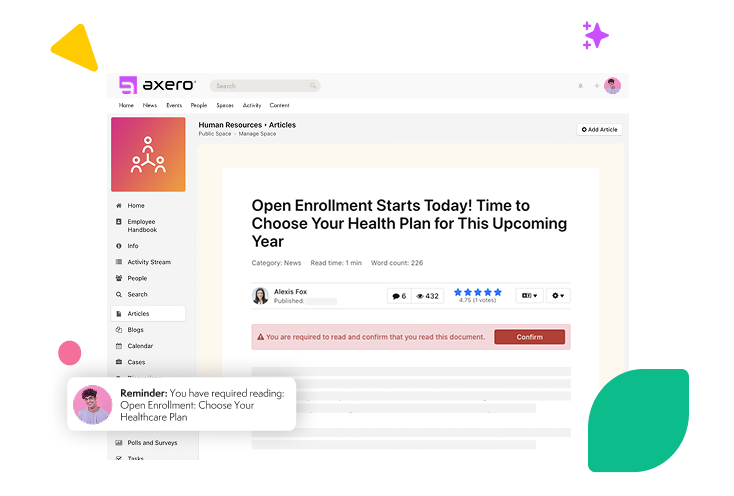
Axero is a comprehensive intranet platform that supports internal audit management by bringing structure, visibility, and collaboration into a single digital workplace. Instead of treating audits as a standalone system, Axero embeds audit activities into how employees already access information, documents, and workflows. This makes audits easier to manage and far more likely to gain participation from business stakeholders.
Audit teams can centralize audit plans, policies, procedures, evidence, and findings within secure workspaces. Ownership stays clear, documentation remains accessible, and version control prevents confusion. Because Axero connects people, content, and processes, audit findings naturally flow into remediation tasks and internal communications without relying on disconnected tools.
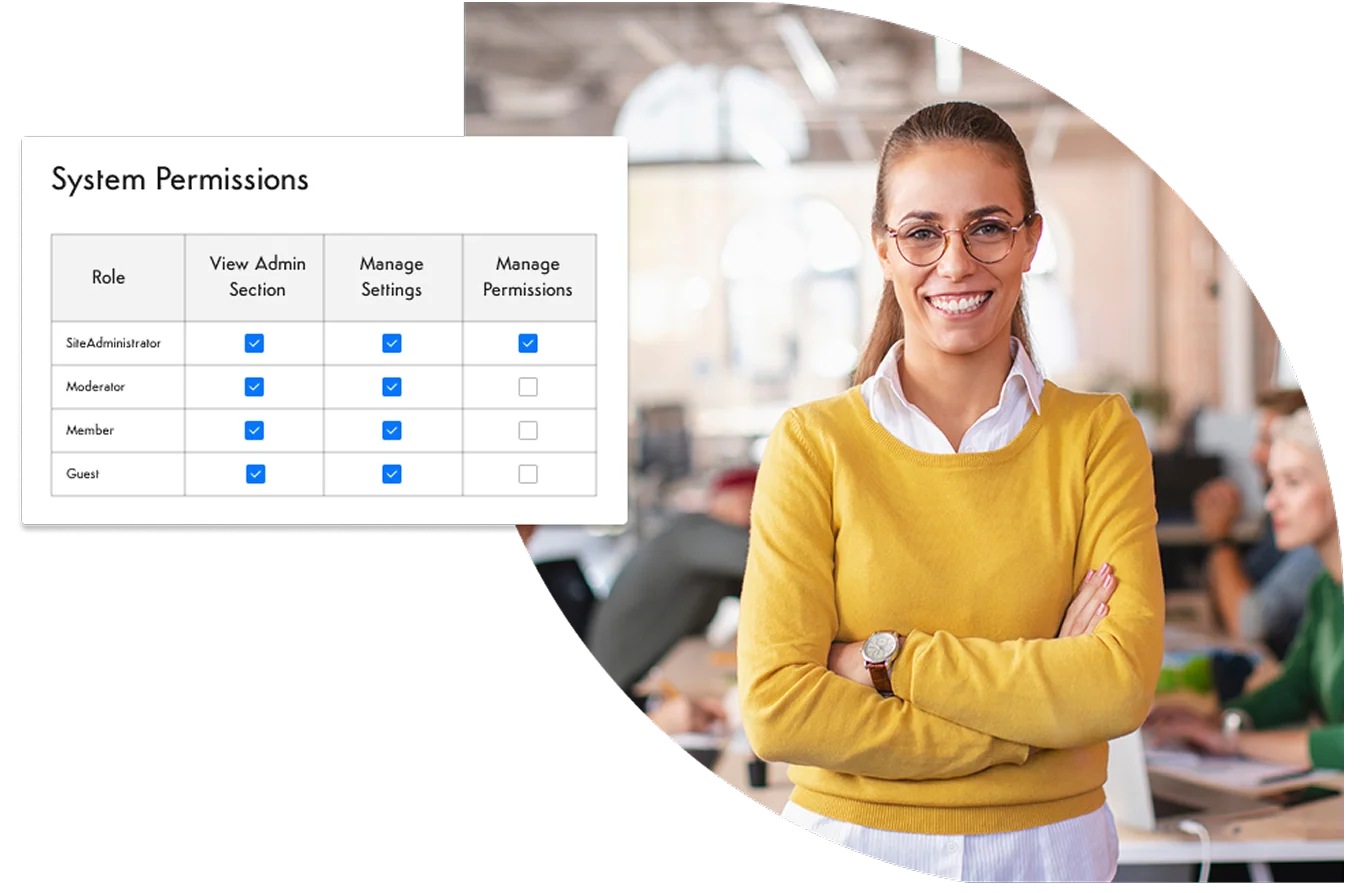
What sets Axero apart is adoption. Auditors, managers, and contributors work within a familiar intranet environment rather than learning another rigid system. Leadership benefits from transparency, while teams gain clarity on expectations and responsibilities. For organizations that want audit management aligned with culture, communication, and governance, Axero provides a practical and scalable foundation.
Key features of Axero
- Centralized audit workspaces: Organize audit plans, findings, and evidence in secure, role-based areas that support clear ownership.
- Integrated document management: Maintain policies, procedures, and audit documentation with version control and permissions.
- Collaboration and accountability tools: Assign tasks, collect responses, and track remediation without email or side systems.
Best for: Organizations that want internal audit embedded into a broader intranet and digital workplace strategy.

2. AuditBoard
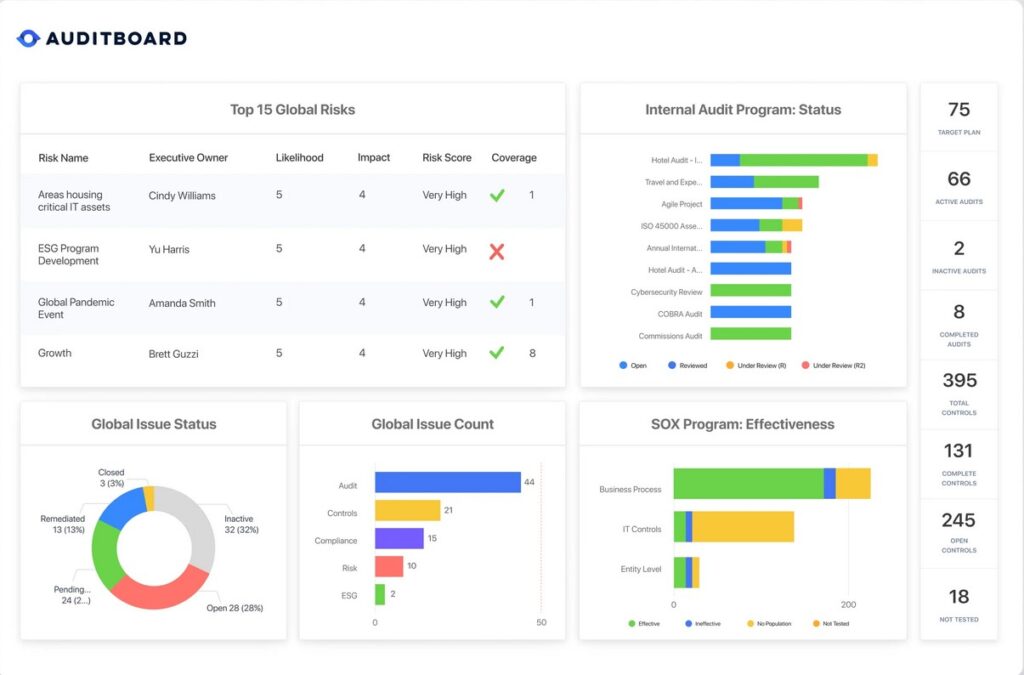
AuditBoard is a well-known platform built specifically for internal audit, risk, and compliance teams. It provides structured tools that support audit planning, execution, issue tracking, and reporting across complex organizations. Many audit departments use AuditBoard to standardize methodologies and improve consistency across engagements.
The platform offers strong workflow capabilities, allowing teams to manage audit cycles from planning through remediation. Findings and action plans stay linked, which helps auditors maintain visibility into progress and ownership. Reporting features support leadership updates and audit committee communications.
AuditBoard works best in environments with mature audit functions and dedicated resources. While powerful, it can feel process-heavy for smaller teams or organizations seeking broader employee participation. Adoption often depends on training and change management, particularly for non-audit stakeholders involved in remediation.
Key features of AuditBoard
- Audit lifecycle management: Plan, execute, and close audits using structured workflows aligned with audit standards.
- Issue and action tracking: Link findings to remediation tasks with clear ownership and due dates.
- Executive reporting: Generate dashboards and reports for leadership and audit committees.
Best for: Mid-sized to large organizations with established internal audit teams and formal audit processes.
3. TeamMate+
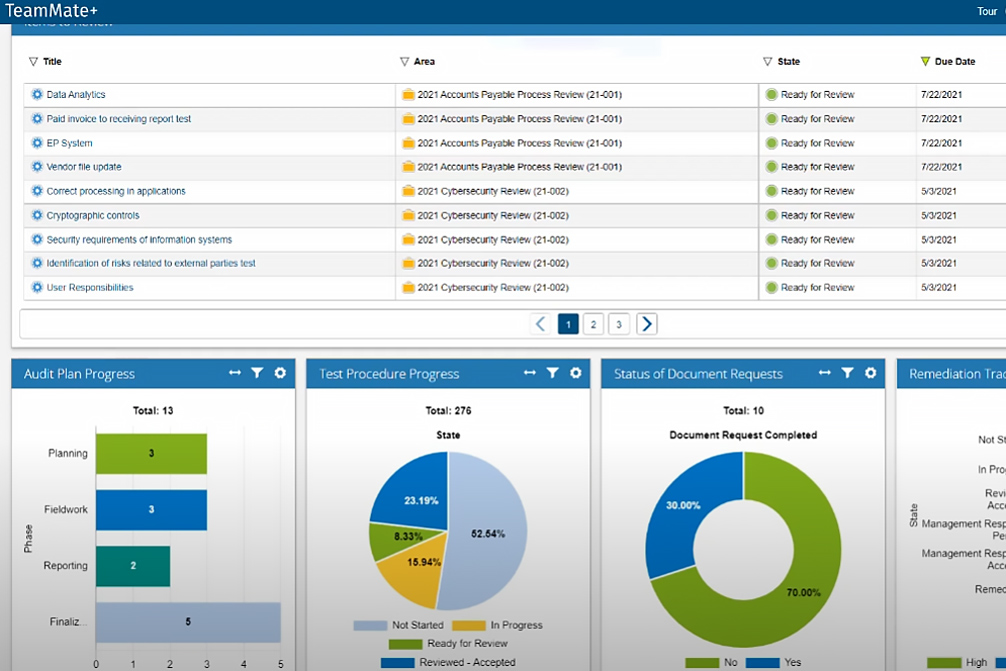
TeamMate+ is an internal audit management solution designed for audit professionals who prioritize structure, documentation, and methodology alignment. It supports risk-based audit planning, workpaper management, and issue tracking within a controlled environment.
The platform emphasizes consistency and defensibility. Audit teams can standardize templates, workflows, and approval steps to ensure audits follow internal and external expectations. Evidence collection and workpapers remain organized, which supports regulatory reviews and quality assessments.
TeamMate+ is often favored by organizations with traditional audit models. However, collaboration with business users can feel limited compared to platforms that integrate more directly into daily workflows. For audit teams focused on rigor and compliance over engagement, TeamMate+ delivers reliable core functionality.
Key features of TeamMate+
- Risk-based audit planning: Align audit plans with organizational risks and priorities.
- Workpaper and evidence management: Maintain structured documentation with review and approval controls.
- Issue tracking and follow-up: Monitor remediation progress tied directly to audit findings.
Best for: Audit teams that require structured, methodology-driven audit management.
4. MetricStream
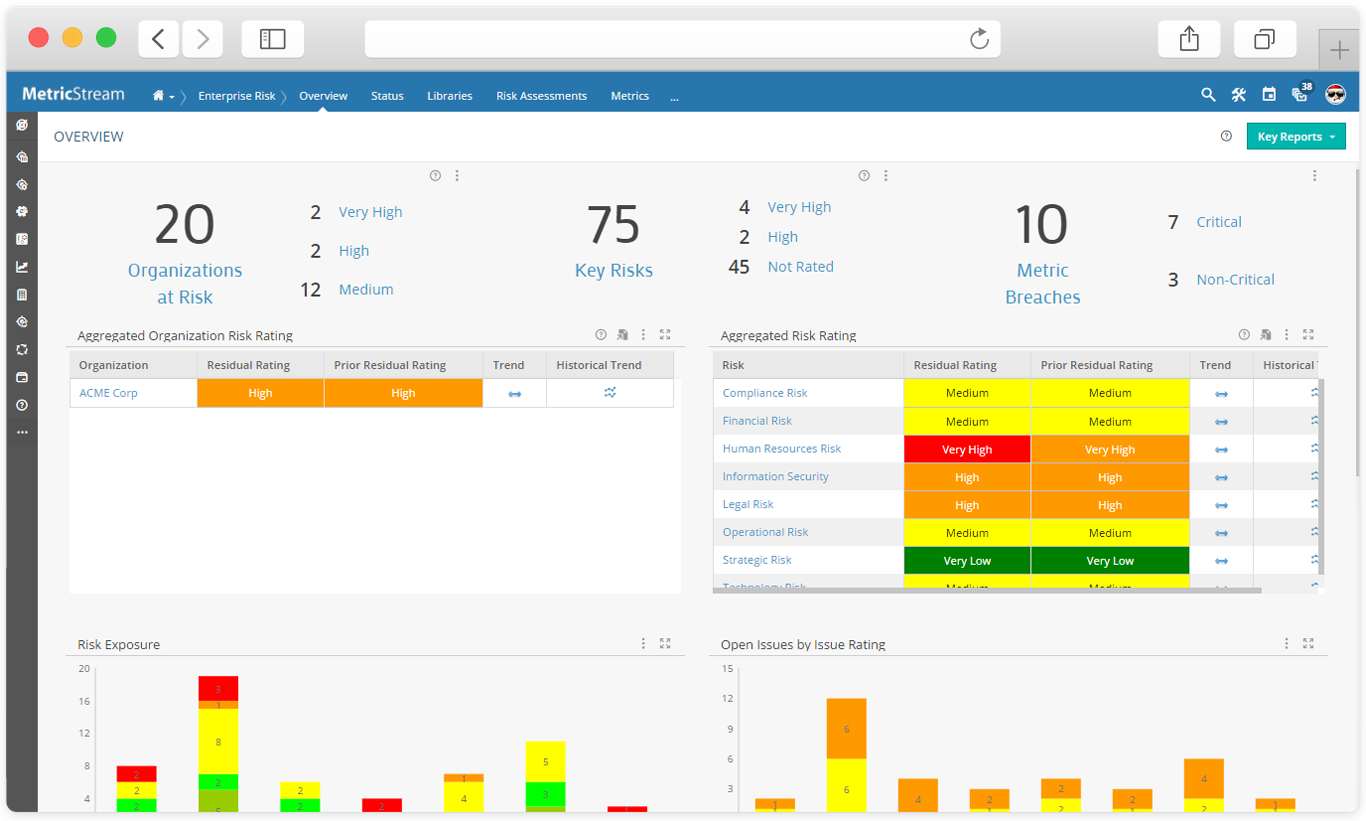
MetricStream offers a broad governance, risk, and compliance platform that includes internal audit management as part of a wider risk ecosystem. It is designed for organizations that want to connect audit activity directly to enterprise risk and compliance initiatives.
Audit teams can plan audits, document findings, and track corrective actions while linking results to risk registers and control frameworks. This provides leadership with a more integrated view of risk exposure across the organization. Automation and analytics support reporting at scale.
Because MetricStream covers many use cases, implementation and configuration can be complex. It is often best suited for large enterprises with dedicated GRC resources. When aligned properly, it delivers strong visibility and integration across risk, compliance, and audit functions.
Key features of MetricStream
- Integrated GRC framework: Connect internal audits with risk and compliance data.
- Advanced reporting and analytics: Surface trends and risk insights across audit activities.
- Scalable workflows: Support large, multi-entity audit programs.
Best for: Large enterprises seeking to align internal audit with enterprise risk and compliance programs.
5. Workiva
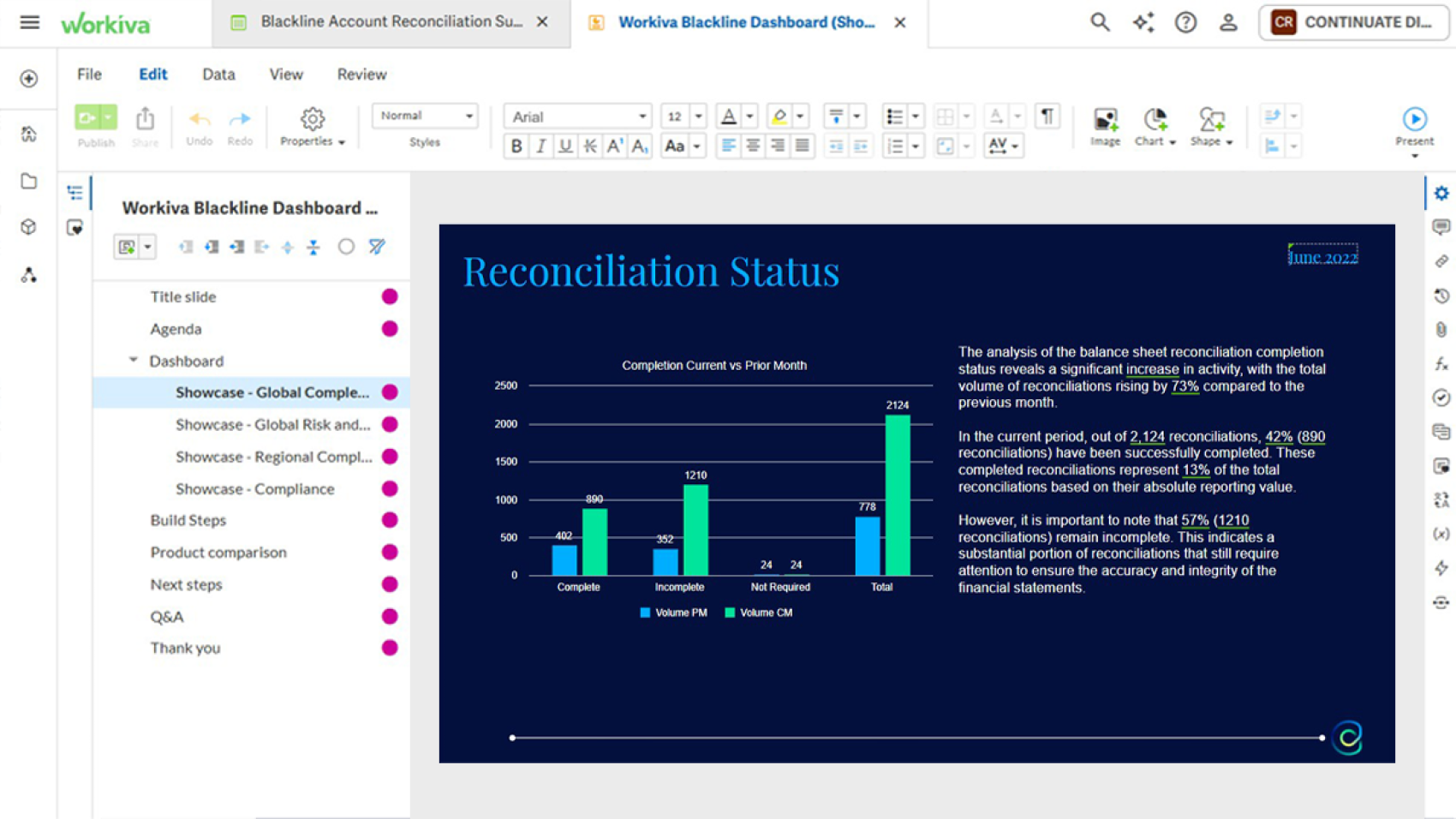
Workiva offers a strong internal audit management solution within its connected reporting and compliance platform. It is designed for teams that need seamless data flow between audits, risk assessments, financial reporting, and compliance activities. With Workiva, audit teams can centralize documentation, link related data points, and create reports that automatically update as underlying information changes.
The platform’s structured approach helps standardize audit steps and evidence collection. Users can assign tasks, collaborate on workpapers, and track progress against audit plans. Real-time linking between documents and data reduces manual reconciliation and supports clearer audit narratives for stakeholders.
Workiva works well in complex environments where audit results feed into broader compliance and regulatory reporting. Because it emphasizes structured data relationships and reporting integrity, it benefits teams that require detailed documentation and traceability. Some smaller audit teams may find the initial setup and configuration intensive without dedicated support.
Key features of Workiva
- Connected data and documentation: Link audit workpapers to live data sources for consistency and accuracy.
- Collaborative workspaces: Allow team members to co-author documents and track changes.
- Dynamic reporting: Create reports that update automatically with changes in audit data.
Best for: Teams seeking tight integration between audit processes and enterprise reporting.
6. FlowForma
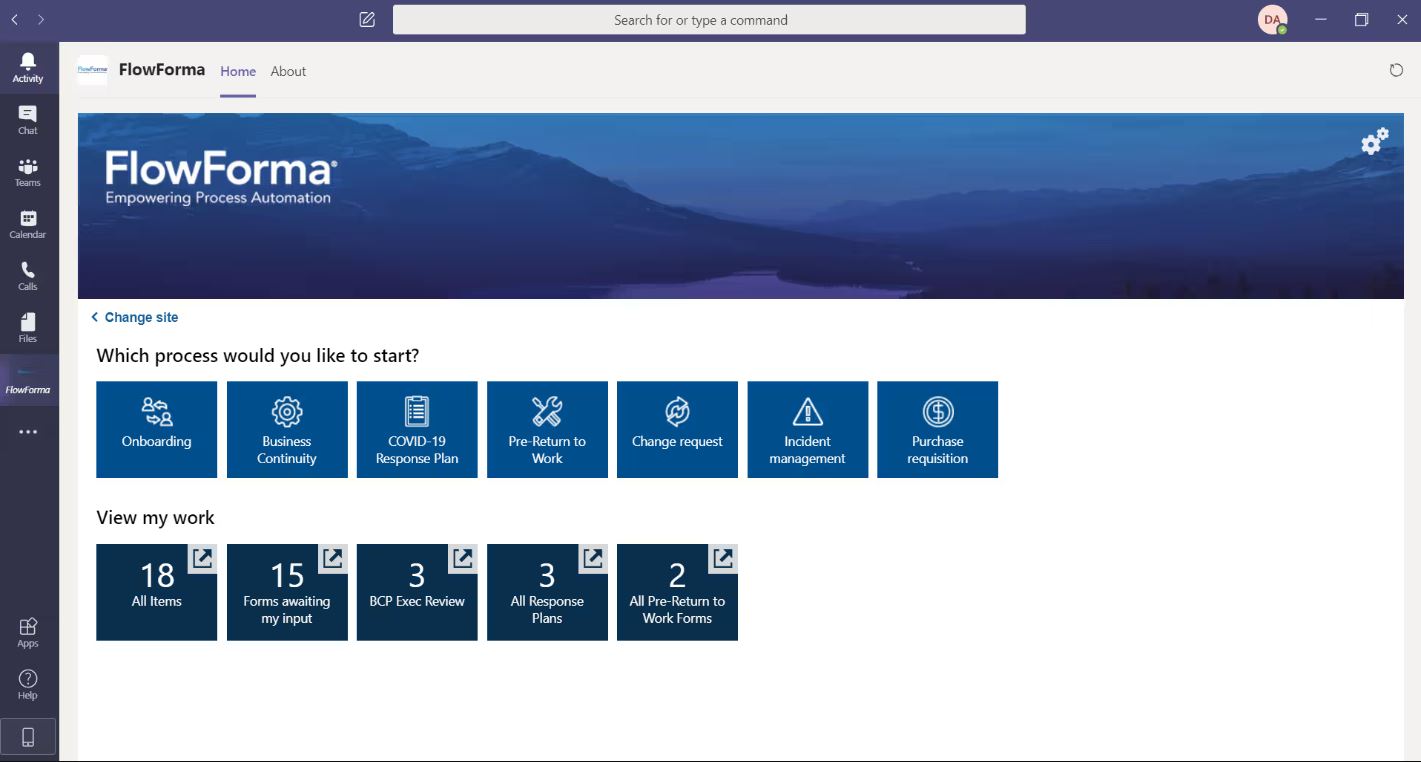
FlowForma is a no-code process automation platform that supports internal audit management by turning audit activities into structured, automated workflows. Built on Microsoft SharePoint and Microsoft 365, FlowForma fits naturally into environments where teams already rely on those tools for collaboration and document management.
For internal audit teams, FlowForma enables consistent audit execution without heavy configuration. You can design audit checklists, testing procedures, evidence requests, and approvals using visual workflow builders. This reduces reliance on spreadsheets and manual follow-ups while maintaining control and traceability throughout the audit lifecycle.
One of FlowForma’s strengths is visibility. Audit progress, outstanding actions, and bottlenecks remain visible in real time through dashboards and reports. Business stakeholders receive clear task assignments and notifications, which improves response rates and accountability. Because workflows are configurable without code, audit teams can adapt processes as requirements evolve.
FlowForma works particularly well when paired with a centralized intranet like Axero, where audit workflows, documentation, and communication live alongside policies and knowledge resources.
Key features of FlowForma
- No-code audit workflows: Build and update audit processes without technical dependency.
- Microsoft 365 integration: Leverage SharePoint and existing document libraries for evidence management.
- Real-time reporting: Track audit status, actions, and delays through dashboards.
Best for: Organizations using Microsoft 365 that want flexible, workflow-driven audit management without complex systems.
7. Diligent
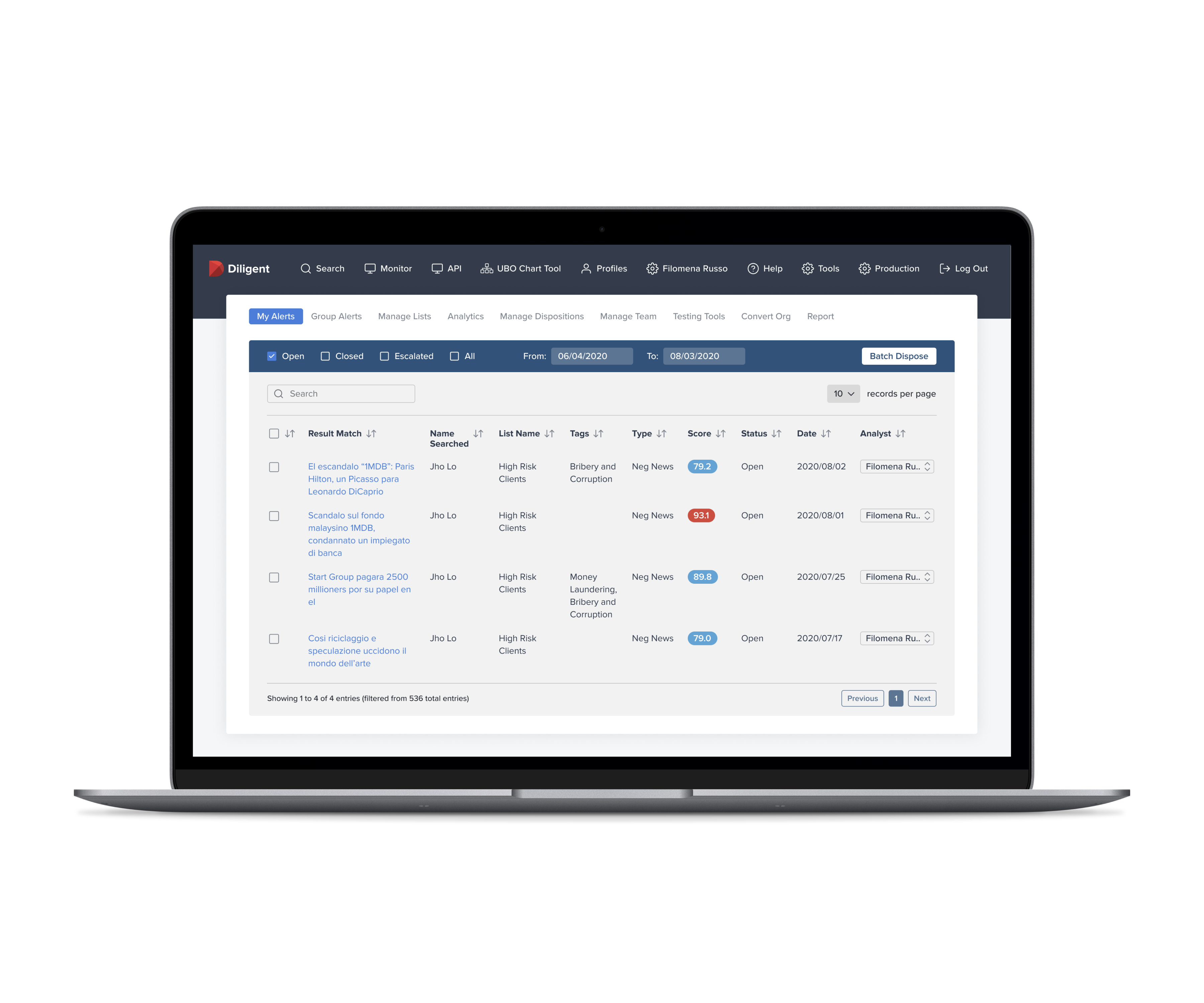
Diligent offers a governance, risk, and compliance suite that includes internal audit management capabilities. It is designed to connect audit activities with broader governance practices, such as board reporting, risk registers, and policy management.
Audit teams can plan engagements, assign tasks, and track issues within a unified platform. Diligent’s dashboards provide leadership with insights into audit status and risk exposure. The platform also supports document sharing and secure collaboration among audit teams and stakeholders.
Because Diligent ties audit management to governance and risk functions, it performs well in organizations where audit is closely aligned with enterprise risk management and board oversight. Teams seeking a standalone, lightweight audit-only solution may find its broader suite more than needed.
Key features of Diligent
- Unified GRC platform: Connect audits with governance and risk data.
- Issue tracking and oversight: Monitor remediation with clear visibility for leadership.
- Secure collaboration: Facilitate controlled sharing of audit documents and discussions.
Best for: Teams that want audit management tied to governance and risk frameworks.
8. SAP Audit Management
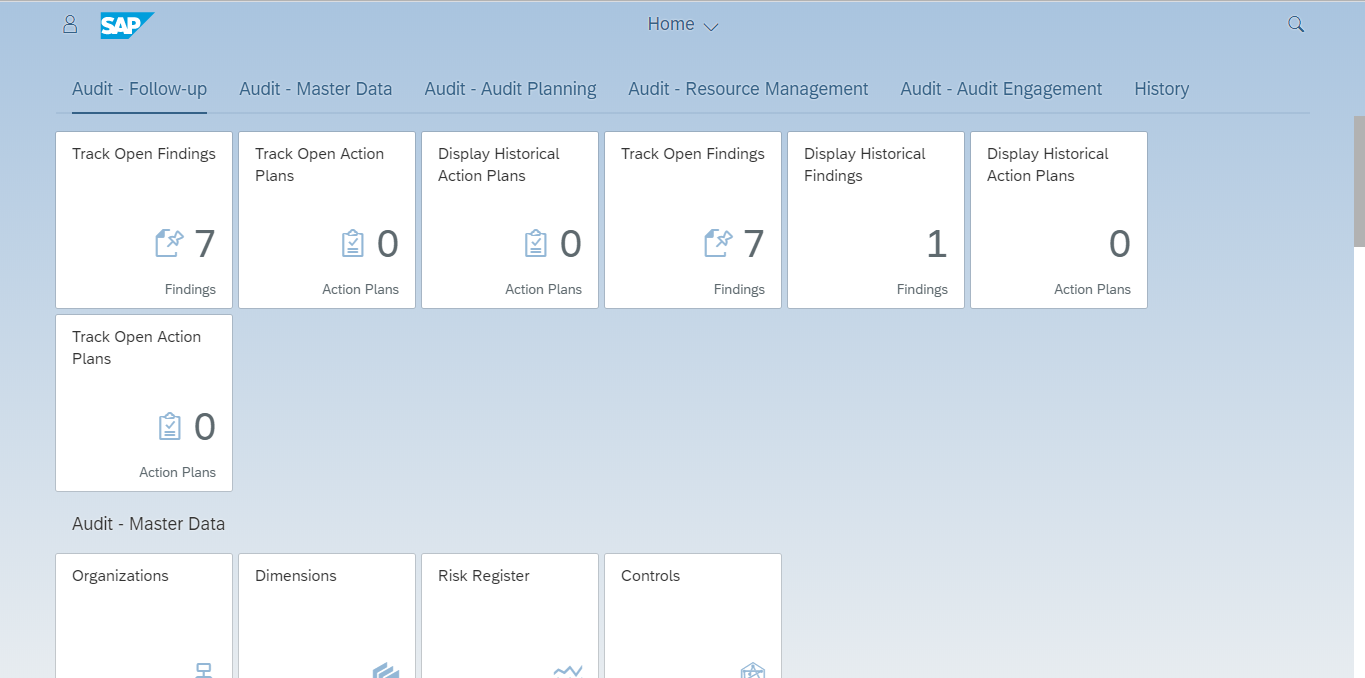
SAP Audit Management is part of the broader SAP ecosystem, enabling internal audit teams to leverage enterprise data for planning, execution, and reporting. Because it is designed to work with SAP ERP and other SAP modules, audit teams gain direct access to operational data, control evidence, and transaction logs.
The platform supports risk-based planning, automated sampling, and mobile audit execution, which helps field auditors collect evidence on the go. Findings and issues get tracked in a centralized system that ties back to SAP master data and processes.
Integration with SAP’s broader suite strengthens traceability and reporting but may make adoption more complex if an organization does not already use SAP systems. Teams that use SAP widely will benefit from the seamless connection and real-time data access.
Key features of SAP Audit Management
- Enterprise data integration: Connect audit workflows with SAP operational and financial data.
- Mobile audit execution: Support field evidence collection and task completion on mobile devices.
- Risk-based planning: Prioritize audits using built-in risk assessments.
Best for: Organizations that use SAP broadly and want audit integrated with enterprise systems.
9. Oracle Risk Management Cloud
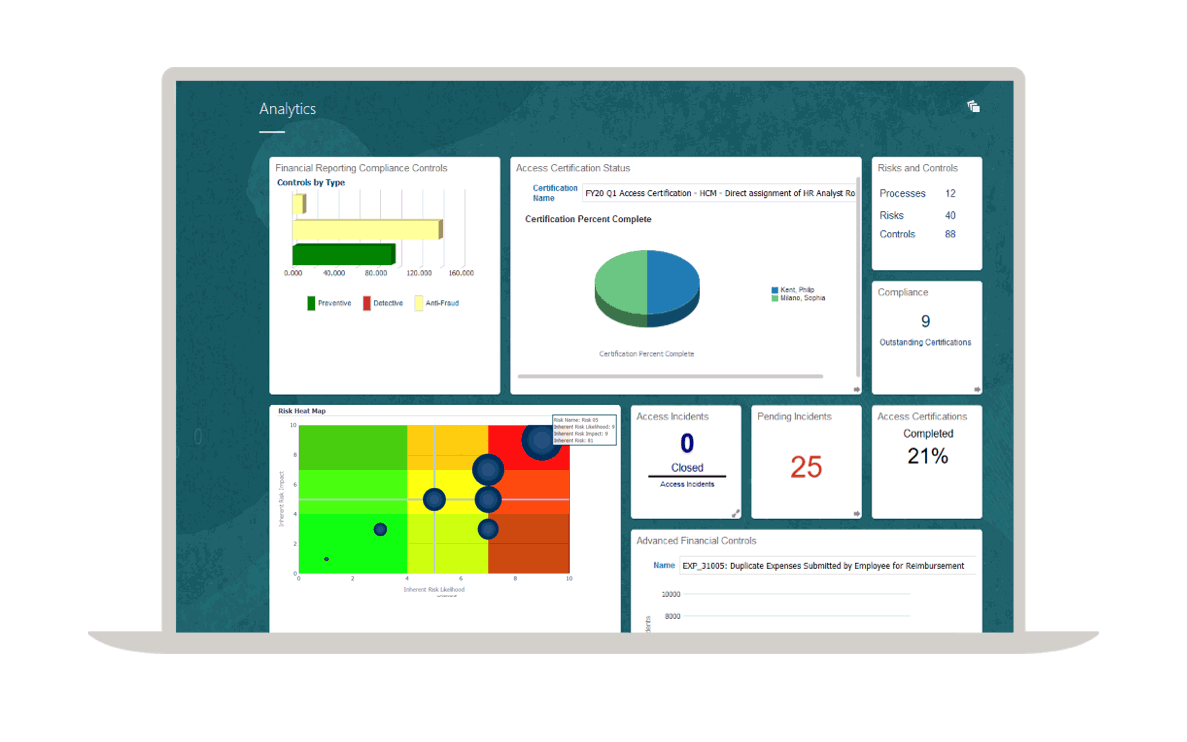
Oracle Risk Management Cloud provides internal audit teams with tools to plan and manage audits while tightly integrating with financial, operational, and compliance data across the Oracle Cloud suite. This integration gives audit teams direct access to transactional and control information, which helps improve the accuracy and relevance of risk assessments. Auditors can design audit plans that align with organizational risks and automatically pull relevant data from across the enterprise.
The platform supports risk-based audit planning, automated sampling, and issue tracking. It also delivers dashboards and analytics that help audit leaders communicate progress and identify trends. Because Oracle Risk Management Cloud is part of a broader ERP and governance suite, it works best for organizations already standardized on Oracle. For audit teams operating in mixed system landscapes, integration planning may be needed to ensure seamless workflows.
Key features of Oracle Risk Management Cloud
- Integrated enterprise data: Audit access to live operational and financial data to support risk-based planning and testing.
- Automated sampling and control testing: Reduce manual selection and improve audit precision.
- Dashboards and reporting: Provide leadership with clear insights into audit status and risk exposure.
Best for: Organizations using Oracle systems that want audit deeply connected to enterprise data and controls.
10. Ideagen Pentana Audit
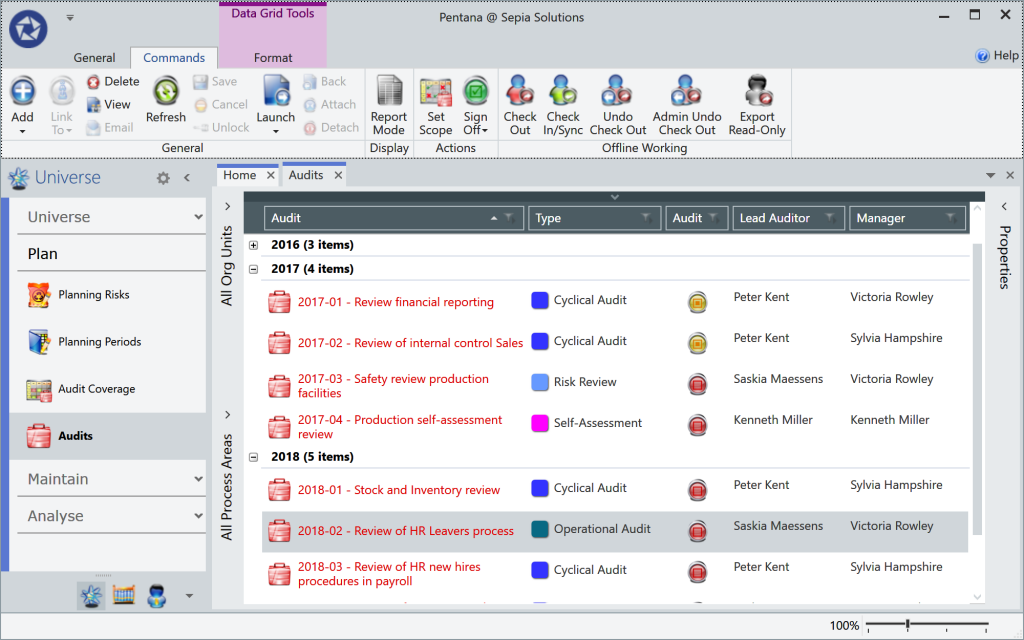
Ideagen Pentana Audit is a purpose-built internal audit management solution that supports planning, risk assessment, workpaper management, and issue tracking. The platform gives audit teams tools to define risk frameworks, prioritize audits, and collect evidence in a controlled environment.
Pentana’s structured approach helps standardize documentation and supports regulatory and quality requirements. Users can manage findings and assign actions while tracking remediation progress. The platform also includes reporting and dashboards that give leadership visibility into audit outcomes and risk trends.
Pentana is suited for organizations with formal audit methodologies and compliance requirements. Its focus on structured documentation and risk alignment makes it a solid choice for teams that emphasize audit quality and defensibility.
Key features of Ideagen Pentana Audit
- Risk assessment and planning: Prioritize audits based on risk levels and control frameworks.
- Workpaper management: Organize documentation with version control and review features.
- Issue tracking: Monitor remediation and ownership with clear task visibility.
Best for: Audit teams with formal methodologies and compliance obligations.
11. Onspring
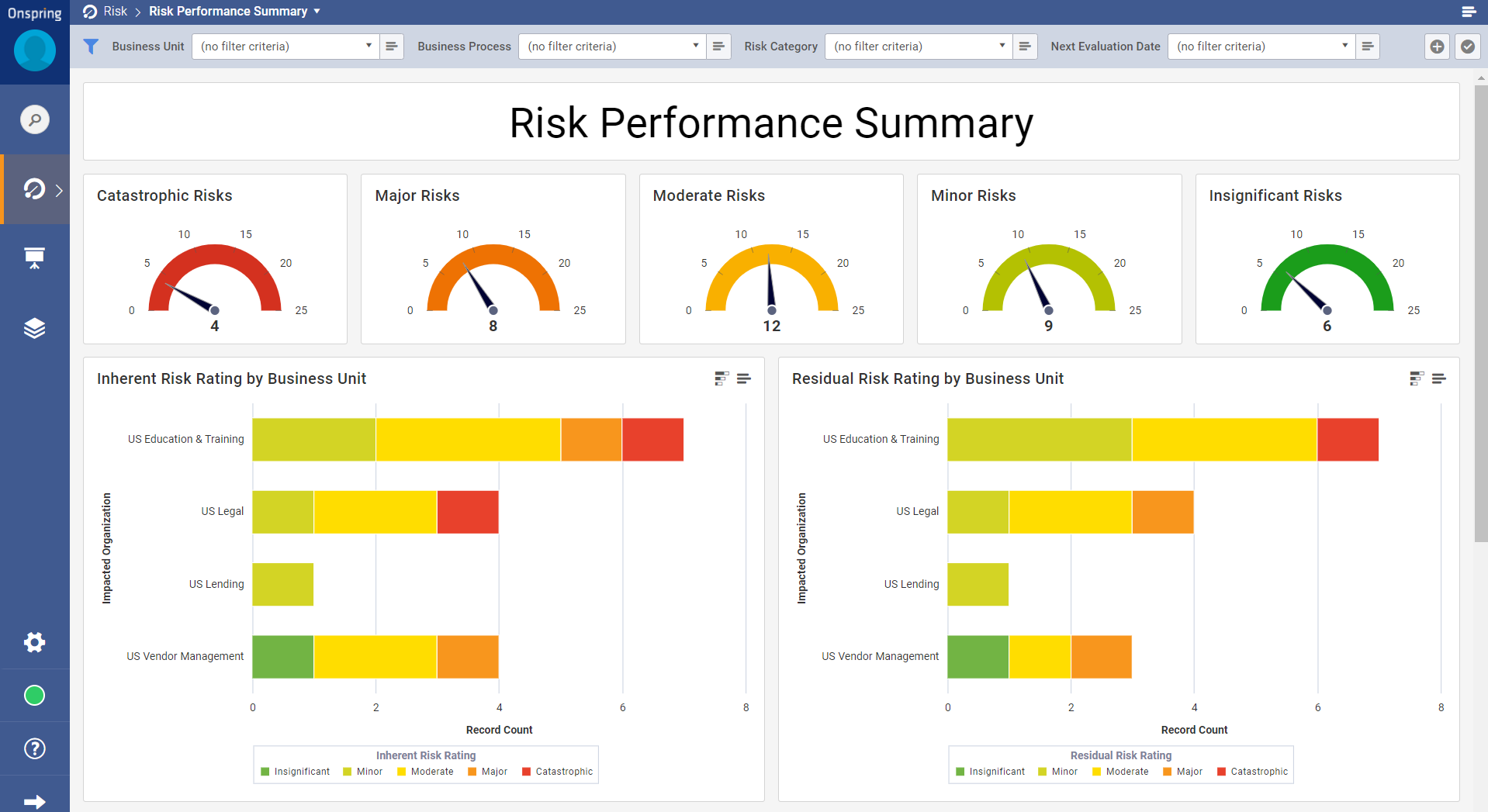
Onspring is a flexible internal audit and GRC platform that emphasizes configurability and ease of use. It allows audit teams to design workflows, forms, and dashboards that reflect their processes, rather than forcing them into rigid templates. This flexibility supports audit planning, execution, evidence collection, and issue tracking in a way that adapts to organizational needs.
Because Onspring is highly configurable, teams can tailor workflows to match their audit methodology and risk profile. The platform also supports integration with external data and collaboration with business stakeholders. Leadership can use dashboards to monitor audit progress, outstanding issues, and risk metrics.
Onspring works well for teams that want structure without rigidity and those that value a platform that grows with their process maturity. It provides a balance between governance and usability.
Key features of Onspring
- Configurable workflows: Tailor audit processes without coding or heavy IT support.
- Custom dashboards: Surface key metrics and risk insights for leadership.
- Collaborative workspaces: Enable evidence collection and issue discussions with business users.
Best for: Teams that need adaptable audit management with strong reporting.
12. LogicGate
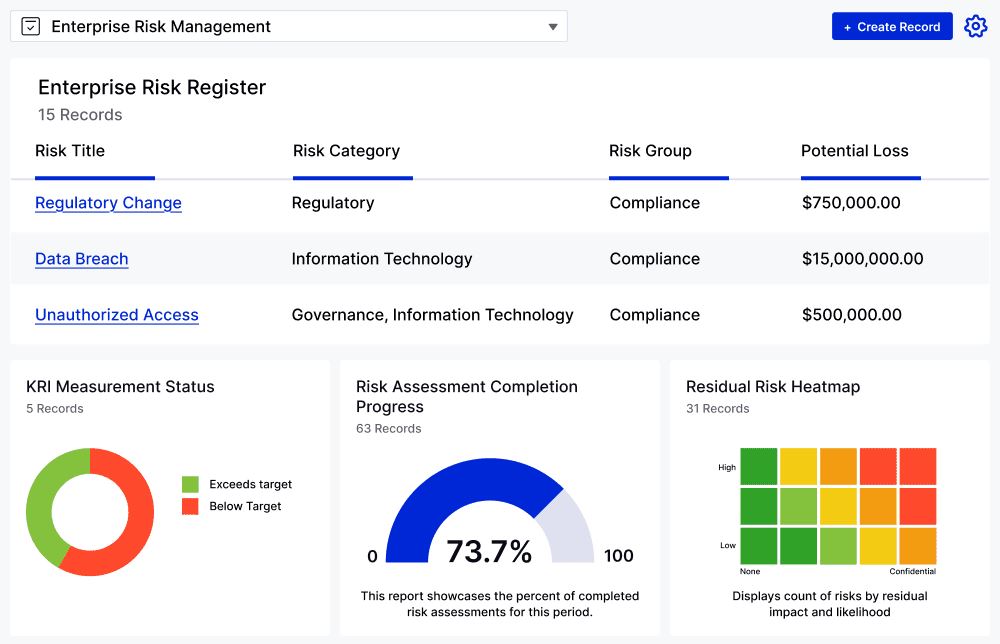
LogicGate is a risk and audit platform that connects internal audit activities with enterprise risk management. It offers modules that support audit planning, testing, issue remediation, and risk assessments in a unified system. The platform bills itself as a no-code solution, meaning teams can configure audit workflows and forms without deep technical support.
LogicGate’s strength lies in linking audit outcomes with risk data and controls, which gives leadership a more holistic view of organizational risk. Teams can build dashboards that integrate audit findings with risk indicators, and managers can track issue remediation progress across functions.
Because it is highly flexible and risk-oriented, LogicGate works for organizations that want to connect audit work with broader risk programs. Its configuration-first approach also supports evolving audit practices without lengthy development cycles.
Key features of LogicGate
- No-code configuration: Build audit workflows and forms tailored to your process.
- Risk-aware audit planning: Link audit plans with risk and control frameworks.
- Unified dashboards: Track audits, issues, and risk metrics in one place.
Best for: Audit teams that want risk-integrated and highly configurable audit management.
Closing thoughts on internal audit management software
Choosing the right internal audit management software begins with clarity around your audit team’s goals, methodology, and organizational context. Some teams need deep integration with enterprise data and controls. Others prioritize usability and adaptability for cross-functional collaboration. Structured platforms support consistency and defensibility, while flexible systems help organizations scale and evolve their audit practices.
Regardless of the platform you choose, focus on how well it supports planning, documentation, issue tracking, reporting, and engagement with business stakeholders. For organizations seeking audit management that aligns with broader communication and workplace strategies, Axero offers a unique blend of structure and usability. Its integrated intranet environment brings audit activity closer to daily work, improving adoption and cross-team participation. Book a demo today.






 info@axerosolutions.com
 1-855-AXERO-55