
Bringing new hires into your organization sets the tone for everything that follows. From day one, employees form opinions about your culture, your processes, and how supported they feel in their role. When onboarding lacks structure, clarity, or consistency, it often results in slower ramp-up times, disengagement, and early turnover. This becomes even more pronounced in hybrid and distributed workplaces, where informal learning and hallway conversations no longer fill the gaps.
Employee onboarding software exists to solve these challenges. It provides a structured, repeatable framework for welcoming employees, guiding them through required steps, and helping them feel productive and connected faster. Instead of relying on scattered emails, spreadsheets, and disconnected tools, onboarding software centralizes tasks, documents, training resources, and communications in one place.
However, not all onboarding platforms serve the same purpose. Some focus primarily on HR compliance and payroll readiness. Others emphasize culture, communication, and long-term engagement. Choosing the right solution means understanding what kind of onboarding experience you want to create and how it fits into your broader digital workplace.
In this guide, we break down the best employee onboarding software available today, what to look for when evaluating your options, and how each platform supports different onboarding priorities. If your goal is to deliver a consistent, engaging, and scalable onboarding experience, the right platform will make that possible.
Top 10 employee onboarding software for 2026
Featured: Axero: the intranet-first onboarding platform
9 transactional HR and payroll onboarding tools:
What is employee onboarding software?
Employee onboarding software is a digital platform designed to help organizations manage and standardize the process of welcoming new hires. It supports everything from pre-boarding tasks to first-week orientation and ongoing ramp-up activities.
At its core, onboarding software ensures new employees receive the right information, tasks, and resources at the right time. This often includes document management, task checklists, training content, internal communication, and progress tracking. By centralizing these elements, onboarding software reduces administrative overhead and removes guesswork for both HR teams and new hires.
Modern onboarding platforms extend beyond basic paperwork. They help reinforce company culture, introduce team structures, and provide clear expectations for roles and responsibilities. When integrated into a broader intranet or digital workplace, onboarding software becomes part of an employee’s daily workflow rather than a one-time event.
The result is a more consistent onboarding experience, improved compliance, faster productivity, and stronger early engagement.
Two types of onboarding software (and why you may need both)
“Onboarding software” covers two different jobs, and mixing them up is where evaluations go wrong. Knowing which one you’re shopping for saves a lot of confusion later.
The first type is transactional HR and payroll onboarding. These tools handle the paperwork side of a new hire: offer letters and e-signatures, tax and compliance forms, e-verify, benefits enrollment, and payroll setup. Platforms like BambooHR, Workday, Gusto, Rippling, Deel, and Paycor live here. The work is largely front-loaded into the first days of employment and driven by legal and financial requirements.
The second type is intranet-first onboarding. These platforms handle the ongoing side: the onboarding hub new hires open every day, role-based content and checklists, training, company knowledge, and the connection that turns a new hire into a contributing team member. Axero sits here. The work doesn’t end when the forms are signed; it continues through ramp-up and into everyday work. That’s the case for onboarding on your intranet: the place new hires learn the ropes is the place they keep working.
Both matter, and they don’t compete. A payroll onboarding tool gets someone legally hired and paid. An intranet-first platform gets them oriented, trained, and connected. Plenty of organizations run one of each and let them do what they’re built for. The list below covers both types so you can see where each fits.
Featured: Axero, the intranet-first onboarding platform
Axero is an intranet-first onboarding platform. It doesn’t try to be a payroll or HR system. Instead, it’s where onboarding content, training, and connection live on an ongoing basis, inside the same intranet employees open every day to do their work. Axero’s employee onboarding portal brings documents, policies, training, the people directory, forms, and Journeys together in one place.
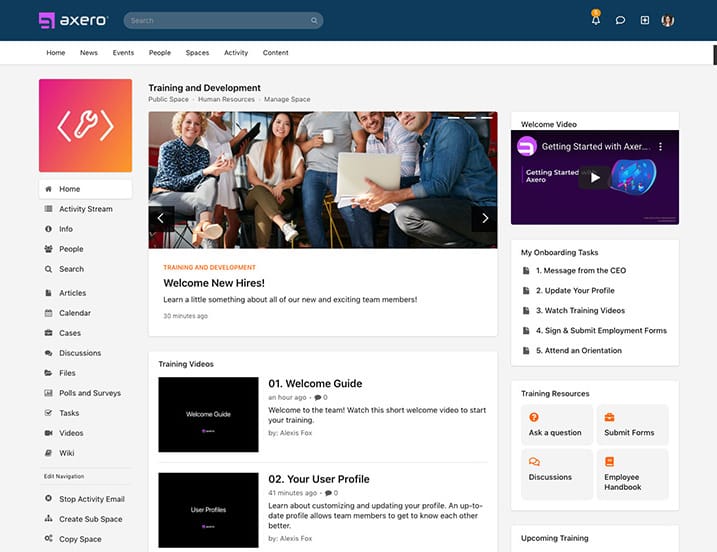
With Axero, organizations build custom, role-based onboarding spaces that include task checklists, document acknowledgment, and permission controls, so each new hire sees the content and steps relevant to their role and nothing they shouldn’t. New employees access everything through a single, branded portal that feels intuitive and welcoming.
Employee Journeys automatically surface personalized content tied to milestones like onboarding and role changes, so the right resources show up at the right moment without an administrator pushing them out by hand. A built-in LMS delivers training and compliance content and tracks completion, and the knowledge base holds manuals, FAQs, and reference material new hires keep coming back to well after their first week.
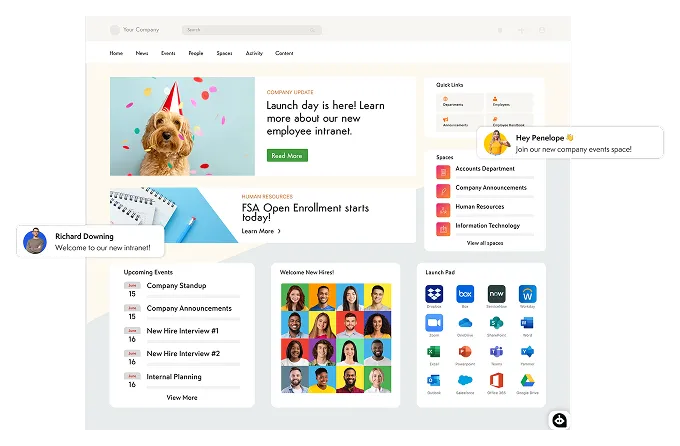
Because Axero is a long-term employee platform, onboarding doesn’t end and get archived. It flows into everyday engagement, knowledge sharing, and collaboration on the same HR intranet your teams already use.
Key features of Axero
-
Role-based onboarding spaces: Give new hires custom onboarding hubs with task checklists, document acknowledgment, and permission controls tuned to their role, team, or location.
-
Employee Journeys: Automatically surface personalized content tied to milestones like onboarding and role changes.
-
Built-in LMS and knowledge base: Deliver training and compliance content, and keep manuals, FAQs, and reference material new hires can search anytime.
Best for: Organizations that want onboarding content, training, and connection to live inside their intranet and continue past week one. Axero is not a payroll or HRIS replacement, so it’s not the right fit if your main need is benefits enrollment, tax forms, e-signature compliance, or payroll setup. For that, pair Axero with a transactional HR onboarding tool.
What to consider when choosing the right employee onboarding software
Selecting onboarding software requires more than checking off features. You need to evaluate how the platform supports your people, your processes, and your long-term goals.
Centralized onboarding hub
A strong onboarding platform should act as a single source of truth. New hires should know exactly where to go for tasks, documents, policies, and updates. Centralization reduces confusion and builds confidence from day one.
Customizable workflows
Every organization onboards differently. Look for software that allows you to customize workflows by role, department, location, or employment type. Flexibility ensures onboarding stays relevant and scalable as your organization grows.
Communication and engagement tools
Onboarding is as much about connection as it is about compliance. Platforms that support announcements, social features, and easy access to colleagues help new hires feel included early.
Integration with existing systems
Your onboarding software should work seamlessly with your HRIS, IT systems, and productivity tools. Strong integrations reduce manual work and ensure data stays accurate across platforms.
Analytics and visibility
Clear reporting helps HR and leaders understand onboarding progress and identify gaps. Look for dashboards that track completion rates, engagement, and ramp-up to role proficiency (a clearer, more measurable proxy than a vague “time to productivity”).
9 transactional HR and payroll onboarding tools
1. BambooHR
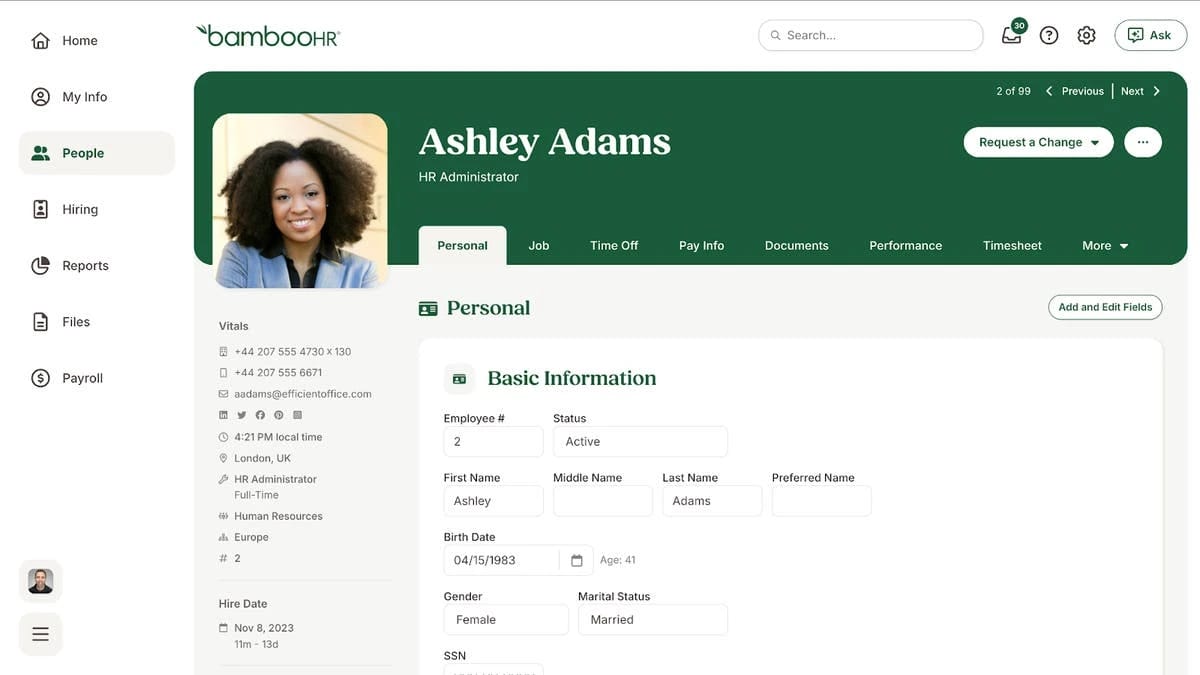
BambooHR is a well-known HR platform that includes onboarding as part of its broader HR management suite. It focuses heavily on streamlining administrative tasks and ensuring compliance during the hiring and onboarding process.
The platform allows HR teams to create onboarding checklists, automate document collection, and assign tasks to new hires and internal stakeholders. New employees can complete forms, review policies, and track progress before their first day, which helps reduce delays and manual follow-ups.
BambooHR integrates onboarding with employee records, time-off tracking, and performance data, giving HR teams a unified view of employee information. While the onboarding experience is structured and efficient, it is more process-driven than engagement-focused.
For organizations that prioritize HR efficiency and clean data management, BambooHR provides a reliable onboarding foundation. Because it centers on HR records and compliance rather than everyday communication, it pairs naturally with an intranet platform like Axero to carry onboarding content, training, and connection past the first few days.
Key features of BambooHR
-
Automated onboarding checklists: Ensure required steps are completed on time without manual reminders.
-
Document management: Collect, store, and manage onboarding paperwork securely.
-
HR system integration: Keep onboarding data connected to employee records and reporting.
Best for: HR teams looking for a straightforward, compliance-focused onboarding solution within an HRIS.
2. Trainual
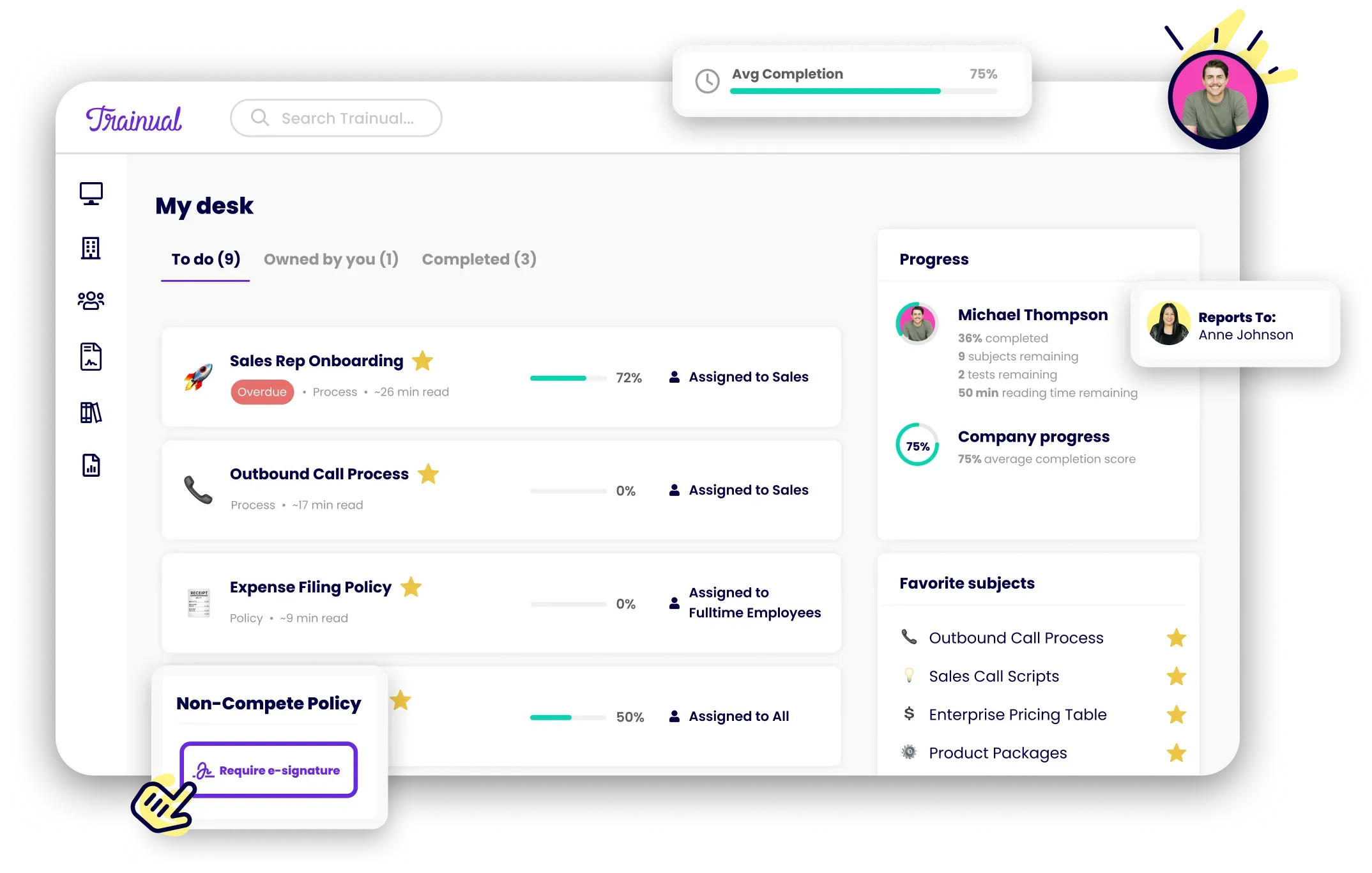
Trainual is onboarding and training software designed to help organizations standardize how new hires learn roles, processes, and expectations. It focuses on turning tribal knowledge into documented, repeatable onboarding content that employees can access from day one.
With Trainual, HR and people teams can create structured onboarding paths that combine policies, procedures, role-specific training, and assessments. New hires progress through clearly defined learning modules, which helps reduce dependency on managers and accelerates ramp-up. Content can be assigned based on role, department, or location, ensuring relevance without duplication.
Trainual works especially well for organizations focused on consistency and scalability. As teams grow, onboarding remains structured and predictable, regardless of who is hired or where they are located. While Trainual excels at documentation and training, it pairs naturally with an intranet platform like Axero to support company-wide communication, collaboration, and ongoing engagement beyond onboarding.
Key features of Trainual
-
Structured onboarding paths: Guide new hires through role-based learning and expectations.
-
Centralized process documentation: Capture and scale internal knowledge without relying on individuals.
-
Progress tracking and assessments: Measure understanding and completion across onboarding content.
Best for: Organizations that want consistent, training-driven onboarding at scale.
3. Rippling
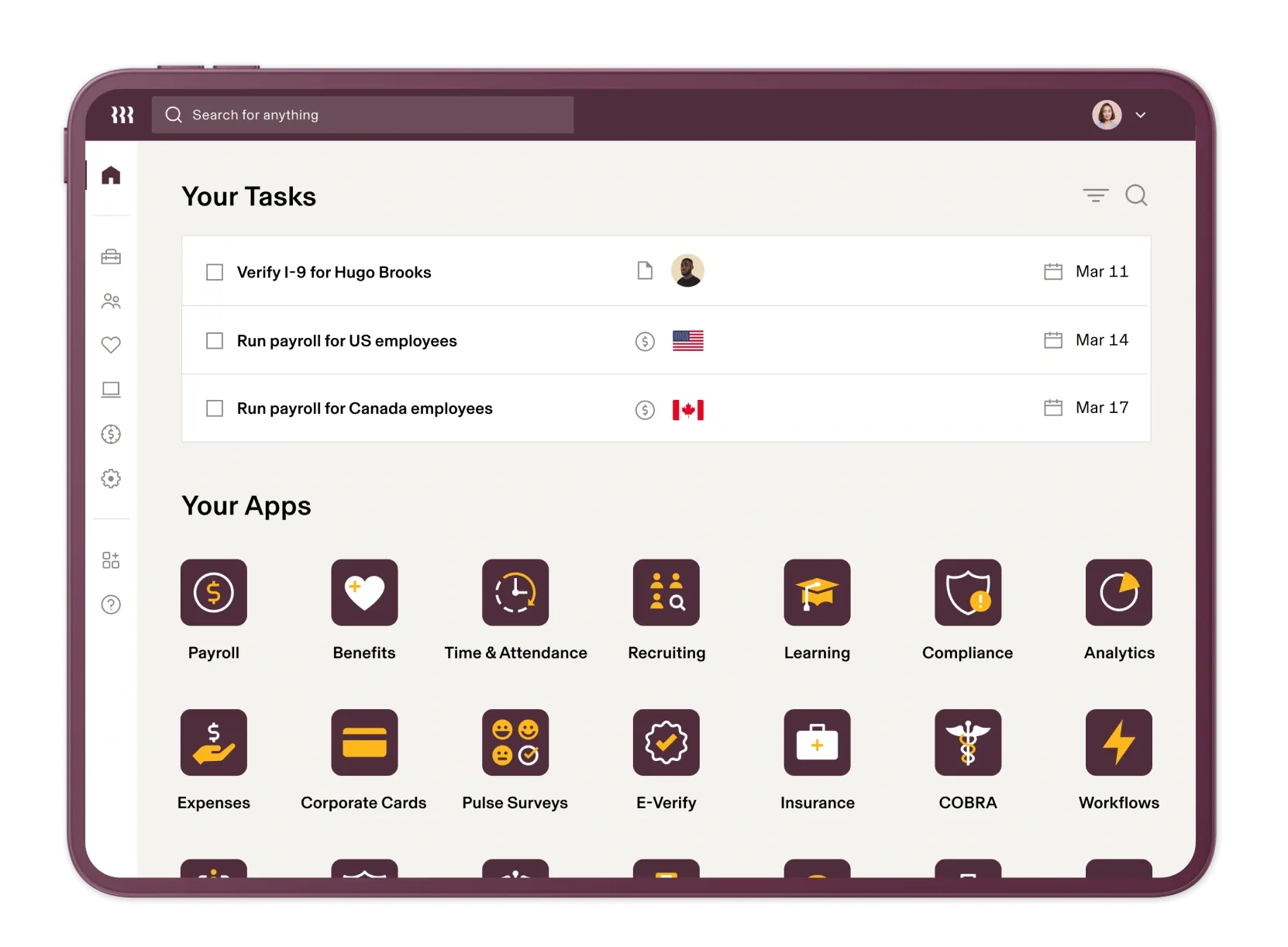
Rippling combines employee onboarding with IT, payroll, and device management in a single platform. Its strength lies in automating cross-functional tasks that typically slow down onboarding, such as account provisioning, payroll setup, and equipment assignment.
With Rippling, new hires can complete onboarding paperwork while IT workflows automatically trigger access to tools like email, cloud apps, and internal systems. This reduces coordination between HR and IT and helps employees become productive faster. Managers also gain visibility into onboarding progress across departments.
Rippling works best when onboarding is closely tied to operational readiness. While it handles logistics efficiently, it places less emphasis on culture-building or long-term engagement, so it pairs naturally with an intranet platform like Axero to own the ongoing content, training, and connection side of onboarding.
Key features of Rippling
-
Automated account provisioning: Set up software access and permissions without manual IT intervention.
-
Unified employee data: Keep HR, payroll, and IT information connected in one system.
-
Workflow automation: Trigger onboarding steps across teams with minimal effort.
Best for: Organizations that want to tightly connect onboarding with IT and payroll processes.
4. Workday Onboarding
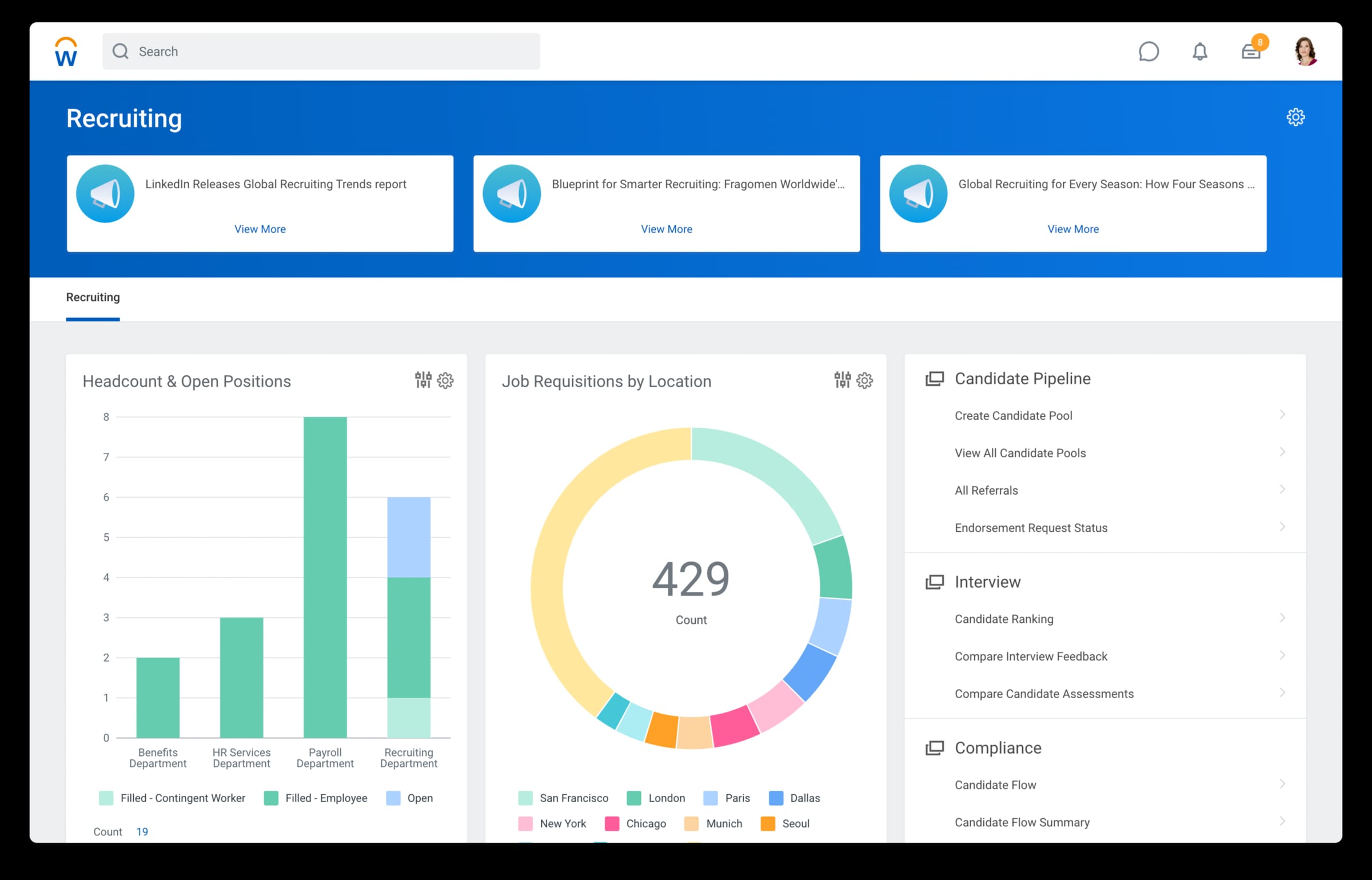
Workday Onboarding is part of the broader Workday Human Capital Management ecosystem. It focuses on enterprise-scale onboarding with an emphasis on compliance, data accuracy, and process consistency.
The platform supports structured onboarding programs that include task lists, document acknowledgments, and training assignments. Because it sits within Workday HCM, onboarding data flows directly into employee profiles, reporting, and analytics. This is especially useful for large organizations with complex regulatory requirements.
Workday Onboarding prioritizes standardization and governance. While it provides strong administrative control, customization and user experience may feel more rigid compared to lighter-weight or intranet-based solutions.
Key features of Workday Onboarding
-
Enterprise-grade workflows: Support complex onboarding processes at scale.
-
Integrated analytics: Track onboarding completion and compliance metrics.
-
Data consistency: Keep onboarding information aligned with HR records.
Best for: Large enterprises already invested in the Workday ecosystem.
5. HiBob
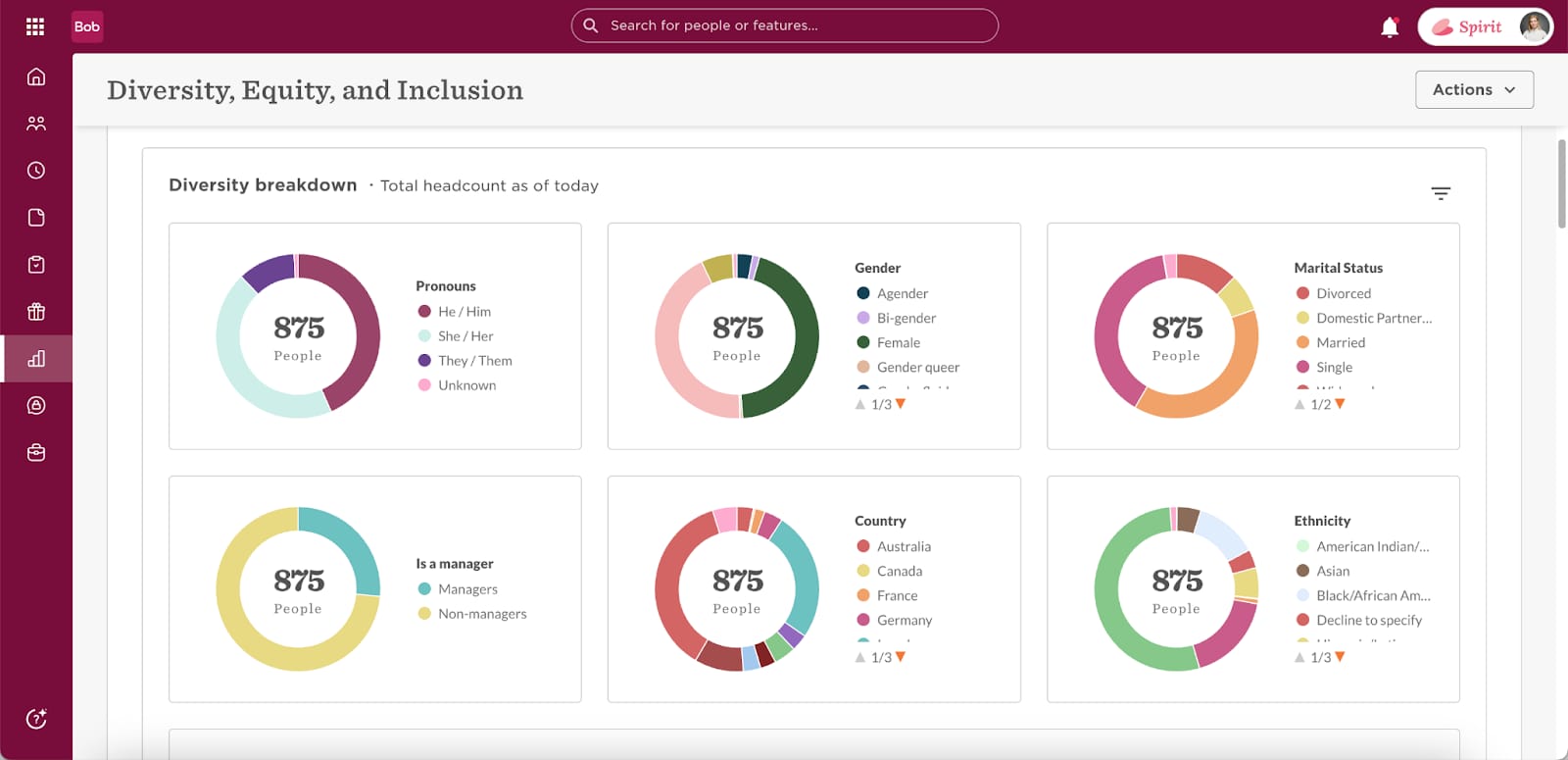
HiBob, often referred to as Bob, positions onboarding as part of a broader people management platform focused on engagement and culture. Its onboarding experience blends administrative tasks with social and cultural touchpoints.
The platform allows HR teams to design onboarding flows that include paperwork, introductions, announcements, and training content. New hires can learn about team structures, company values, and key resources while completing required tasks. HiBob also supports automated reminders and progress tracking.
HiBob works well for organizations that want onboarding to feel human and connected rather than transactional. However, it is less focused on acting as a long-term knowledge hub compared to intranet platforms like Axero.
Key features of HiBob
-
Engagement-focused onboarding flows: Combine tasks with culture-driven content.
-
Automated reminders: Keep onboarding moving without constant follow-ups.
-
People analytics: Gain insight into onboarding progress and engagement.
Best for: Mid-sized organizations prioritizing culture and engagement during onboarding.
6. Deel
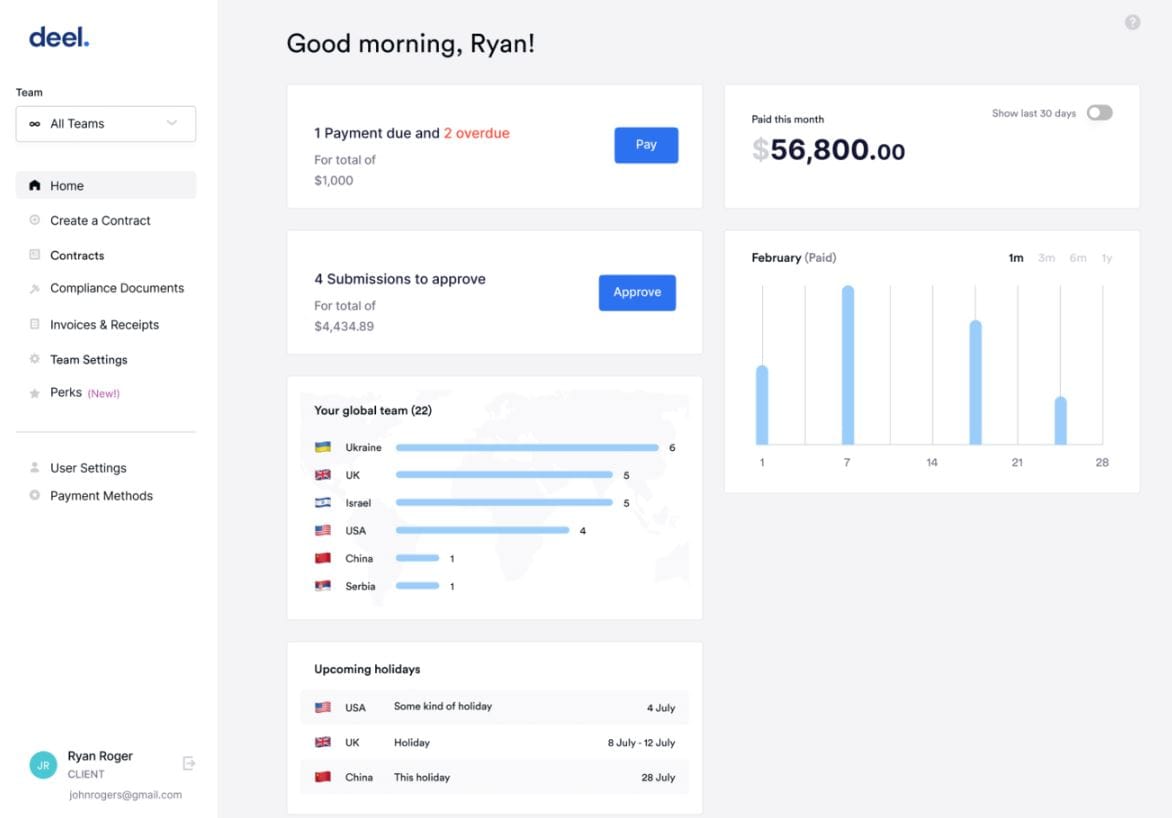
Deel is designed primarily for global hiring and compliance, with onboarding built around international employment needs. It simplifies the onboarding process for distributed teams by managing contracts, documentation, and local labor requirements.
New hires can complete onboarding steps that align with their country’s regulations, while HR teams maintain visibility and control from a central dashboard. Deel reduces legal complexity and ensures consistency across regions.
While Deel excels at global compliance, it focuses less on internal communication and cultural integration. Deel pairs naturally with an intranet platform like Axero to round out the onboarding experience with ongoing content, training, and connection.
Key features of Deel
-
Global compliance support: Manage onboarding across multiple countries.
-
Localized contracts: Ensure legal accuracy for international hires.
-
Centralized dashboards: Track onboarding progress globally.
Best for: Organizations hiring and onboarding international employees.
7. Talentech
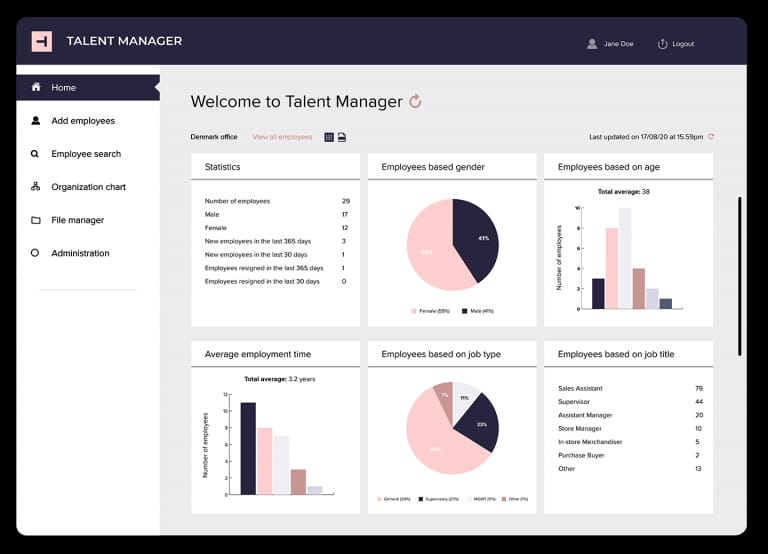
Talentech is employee onboarding software designed to help organizations deliver consistent, engaging onboarding experiences across locations and roles. It focuses on guiding new hires through structured learning paths while reinforcing company culture from the very beginning.
The platform allows HR teams to build customizable onboarding journeys that combine tasks, learning modules, and interactive content. These journeys can be tailored by role, department, or region, making Talentech well suited for organizations with diverse or distributed workforces. New hires move through onboarding at a clear, manageable pace, reducing information overload during their first weeks.
Talentech also supports social onboarding elements, such as buddy assignments and team introductions, which help new employees build connections early. Progress tracking and reporting give HR teams visibility into completion rates and onboarding effectiveness.
While Talentech excels at structured onboarding and learning delivery, many organizations pair it with an intranet platform like Axero to support ongoing communication, collaboration, and knowledge sharing beyond initial onboarding.
Key features of Talentech
-
Custom onboarding journeys: Deliver role- and location-specific onboarding experiences at scale.
-
Interactive learning content: Support engagement through structured, guided learning paths.
-
Progress tracking and reporting: Monitor completion and identify onboarding gaps.
Best for: Organizations that need structured, scalable onboarding across multiple teams or regions.
8. Paycor
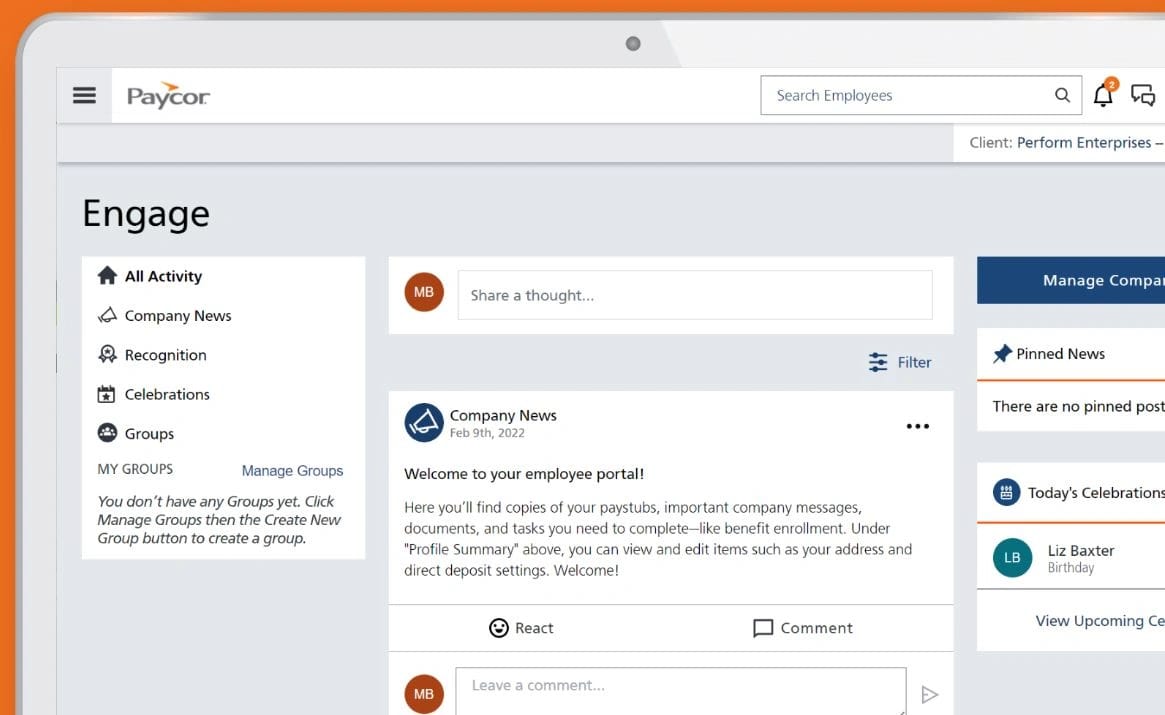
Paycor offers onboarding tools within its broader HR and payroll platform, with a focus on compliance, consistency, and ease of use. Its onboarding features help HR teams standardize processes while reducing administrative overhead.
The platform supports digital document collection, task assignments, and automated reminders. New hires can complete onboarding steps before their first day, helping teams stay organized and prepared. Managers also gain visibility into progress and outstanding tasks.
Paycor emphasizes operational efficiency over engagement. While it handles administrative onboarding reliably, organizations often supplement it with platforms that support culture, communication, and collaboration.
Key features of Paycor
-
Digital onboarding workflows: Standardize processes and reduce manual tasks.
-
Compliance tracking: Ensure required documentation is completed correctly.
-
Manager visibility: Monitor onboarding progress across teams.
Best for: Organizations seeking a simple, compliance-driven onboarding solution.
9. Gusto
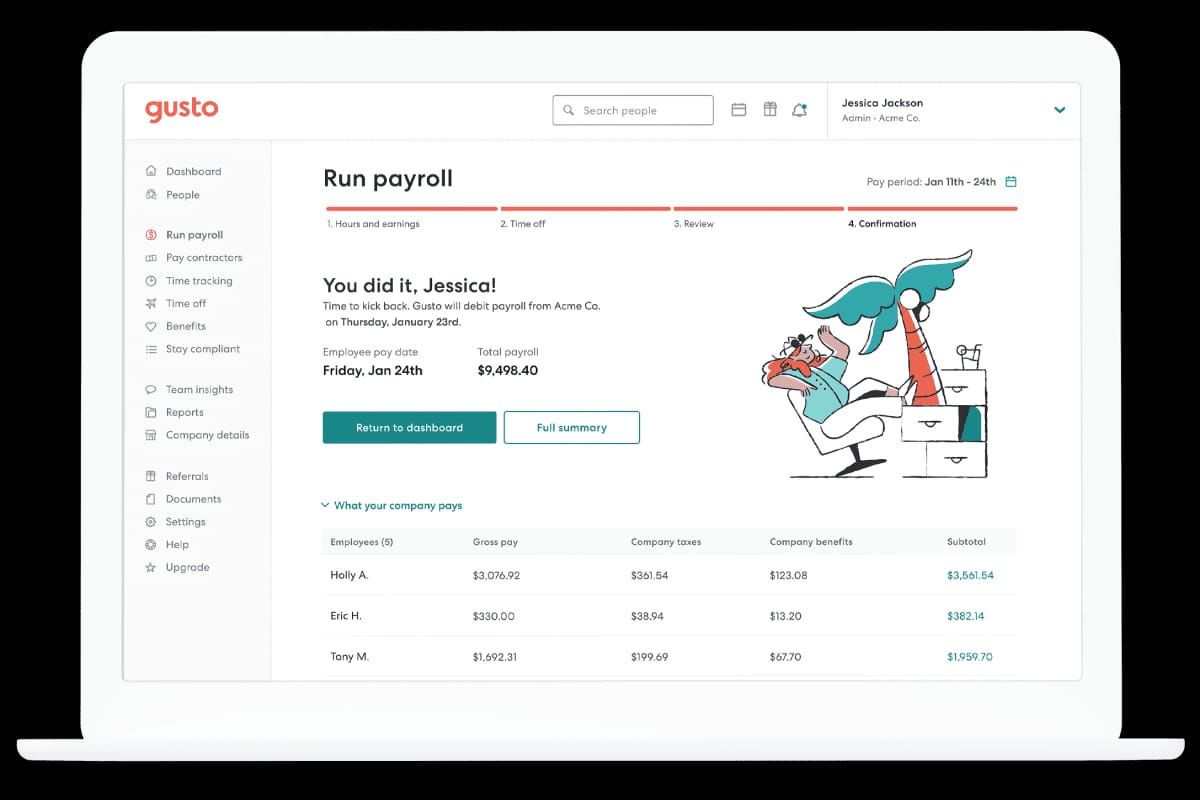
Gusto is widely used by small businesses for payroll and HR, with onboarding built into its core offering. It focuses on making hiring and onboarding straightforward, especially for teams with limited HR resources.
Gusto allows new hires to complete paperwork, set up payroll, and review policies online. Its onboarding experience is simple and intuitive, which helps reduce friction for both employees and administrators. Automated reminders keep tasks moving without heavy oversight.
While Gusto handles administrative onboarding well, it does not function as a long-term employee engagement or knowledge platform. Many organizations pair it with an intranet platform like Axero to support communication, training, and collaboration beyond day one.
Key features of Gusto
-
Simple onboarding workflows: Get new hires set up quickly with minimal effort.
-
Payroll-first integration: Connect onboarding directly to payroll setup.
-
User-friendly interface: Reduce learning curves for small teams.
Best for: Small organizations looking for fast, straightforward onboarding.
Choosing the right employee onboarding software
Employee onboarding software plays a direct role in how quickly new hires feel confident, connected, and productive. Start by naming the job you’re hiring the software to do. If you need payroll setup, benefits enrollment, tax forms, and compliance e-signatures, choose a transactional HR or payroll onboarding tool built for those steps. If you need onboarding content, training, and connection to keep working after the paperwork is done, that’s a different tool.
Axero is built for the second job, and only that job. It is not designed to replace your payroll or compliance onboarding tools, and it won’t run e-verify or benefits enrollment for you. What it does is be the ongoing home for onboarding content and employee connection once the transactional steps are complete: role-based onboarding spaces, training through a built-in LMS, a searchable knowledge base, and Employee Journeys that keep surfacing the right content as people move from new hire to contributor. That’s a narrow claim, and Axero delivers on it fully.
For most organizations, the answer isn’t one tool. It’s a payroll onboarding system doing what it’s built for and an intranet like Axero doing what it’s built for, working side by side. Onboarding becomes part of the workplace new hires use every day rather than a folder they never open again.
Frequently asked questions
Is Axero an onboarding software or an intranet?
Axero is an intranet platform that includes onboarding as one of its core uses. It hosts onboarding content, checklists, training, and team connection inside the same workplace employees use every day. It is not a payroll or HRIS system, so it does not run e-verify, benefits enrollment, e-signature compliance paperwork, or payroll setup.
Do I still need a separate HR onboarding tool if I use Axero?
In most cases, yes. If your onboarding involves payroll setup, benefits enrollment, tax forms, or compliance e-signatures, you need a transactional HR or payroll onboarding tool for those steps. Axero handles the ongoing side: the onboarding hub, role-based content, training through its built-in LMS, and the knowledge base new hires keep using long after week one. Many organizations run one HR/payroll tool and Axero together.
What does Axero actually do during onboarding?
Axero gives new hires role-based onboarding spaces with task checklists, document acknowledgment, and permission controls. Employee Journeys automatically surface personalized content tied to milestones like onboarding and role changes, the built-in LMS delivers training and compliance content, and the knowledge base holds manuals, FAQs, and reference material employees return to over time.
Ready to see how Axero can support onboarding and everything that comes after it? Book a demo today and explore a better way to welcome your employees.