Employee exits happen every day, but few organizations handle them with the same care and structure as onboarding. That gap creates risk. Poorly managed offboarding can lead to lost knowledge, unresolved access issues, inconsistent communication, and a negative final impression that travels far beyond the organization.
As workforces grow more distributed and regulated, offboarding has become a process that requires coordination across HR, IT, managers, and employees themselves. Tasks such as access removal, device returns, documentation handover, compliance tracking, and final communications all need to happen on time and in the right order. Relying on spreadsheets, emails, or manual checklists leaves too much room for error.
Employee offboarding software brings structure and visibility to this process. It centralizes tasks, automates workflows, and ensures that nothing critical gets missed when an employee leaves. Just as importantly, it helps organizations protect their culture by delivering a respectful, consistent experience through an employee’s final day.
The challenge is that many tools approach offboarding narrowly, focusing only on HR administration. Others offer strong automation but lack a centralized space for communication, knowledge retention, and long-term governance. The best solutions strike a balance between operational control and employee experience.
Below, we explore what employee offboarding software is, what to look for when choosing a solution, and the top platforms available today, starting with Axero.
Top 10 employee offboarding software for 2026
What is employee offboarding software?
Employee offboarding software helps organizations manage the structured process of transitioning employees out of the company. This includes voluntary resignations, retirements, layoffs, and contract completions. The goal is to ensure consistency, compliance, and clarity for everyone involved.
At its core, offboarding software coordinates tasks across teams. HR can manage documentation and compliance steps. IT can track system access and asset recovery. Managers can oversee knowledge transfer and handovers. Employees receive clear guidance on what to expect before their departure.
Modern offboarding platforms also serve a broader purpose. They help preserve institutional knowledge, reduce security risks, and maintain trust with departing employees. Instead of relying on disconnected tools, organizations gain a single source of truth for offboarding workflows, records, and communication.
When integrated into a centralized digital workplace, offboarding software becomes part of a larger employee lifecycle strategy rather than a standalone administrative task.
What to consider when choosing the right employee offboarding software
Choosing offboarding software requires more than checking feature boxes. You need a solution that aligns with how your organization operates today and how it plans to grow.
Workflow automation and task management
Offboarding involves many repeatable steps. Automated workflows ensure tasks are assigned, tracked, and completed in the correct order without manual follow-ups.
Cross-team visibility
HR, IT, managers, and leadership all play a role. The right platform provides shared visibility while respecting permissions and accountability.
Knowledge retention and documentation
Departing employees often hold critical knowledge. Look for tools that support documentation, handovers, and long-term access to shared resources.
Security and access control
User access should change automatically based on offboarding status. This reduces risk and supports compliance without relying on manual intervention.
Employee experience
Clear communication, transparency, and consistency shape the final impression employees have of your organization. A strong platform supports a respectful exit process.
10 best employee offboarding software
1. Axero
Axero approaches employee offboarding as part of a broader digital workplace strategy rather than a single HR transaction. Instead of focusing solely on checklists, Axero provides a centralized platform where communication, documentation, and workflows live in one place. This ensures offboarding remains consistent, visible, and easy to manage across teams.
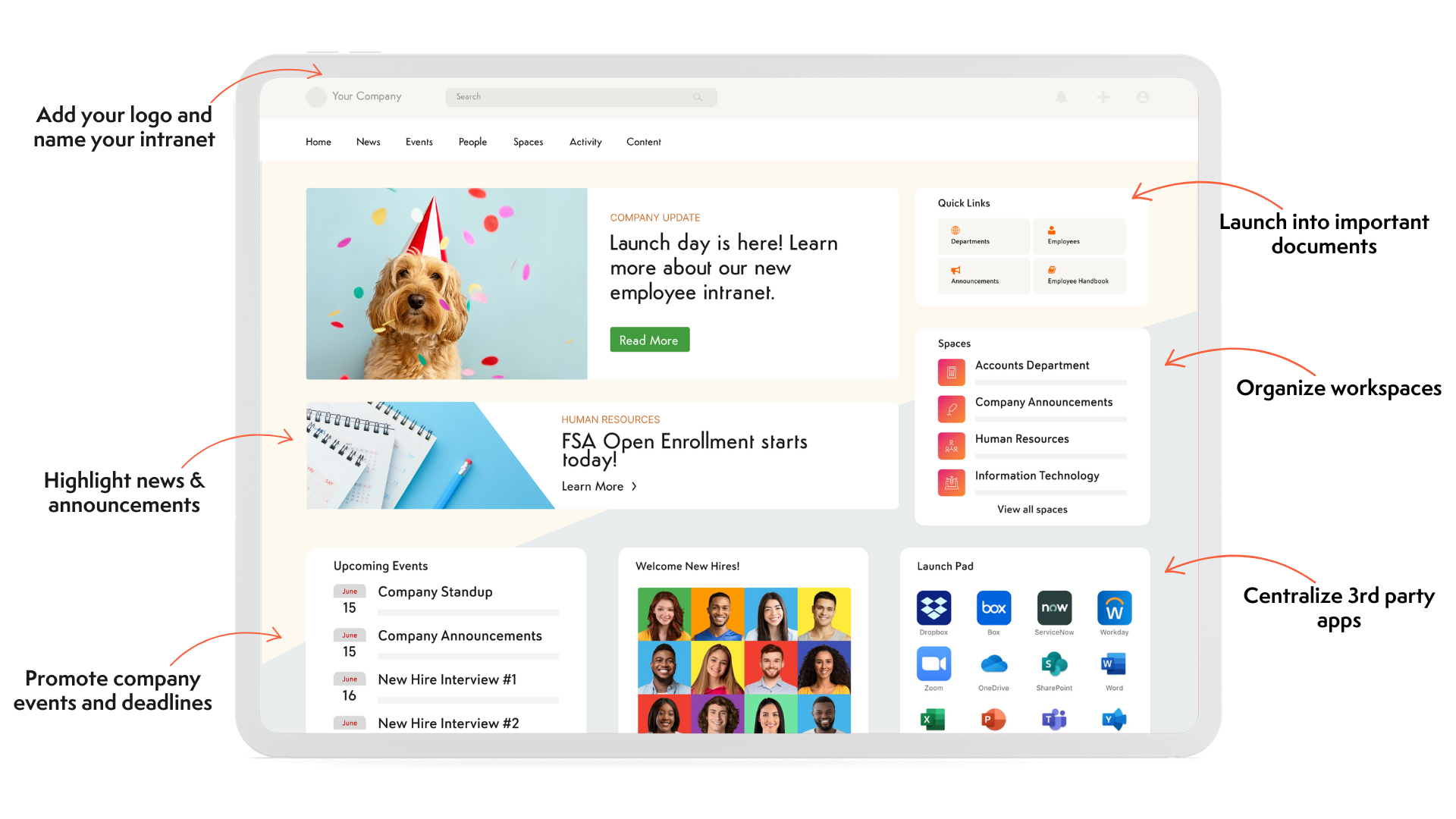
With Axero, organizations can create structured offboarding workflows that guide employees, managers, HR, and IT through each step of the exit process. Tasks, documents, and deadlines stay visible and accountable, reducing the risk of missed steps or fragmented communication. Because Axero acts as a central hub, knowledge transfer becomes easier, with departing employees able to document processes and resources before access is removed.
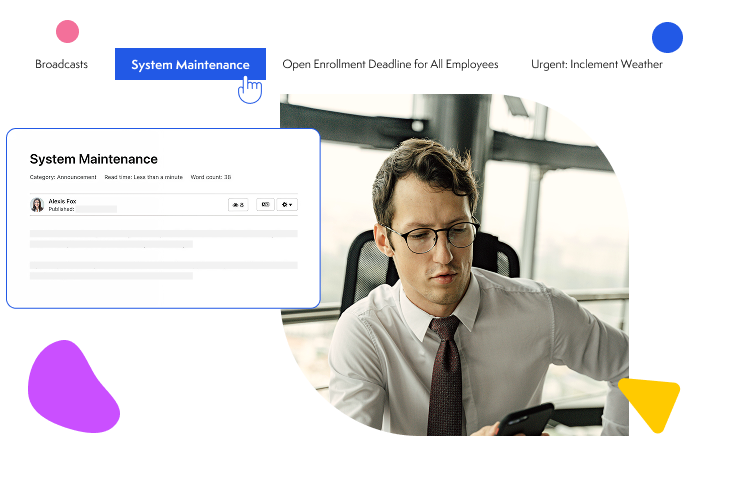
Axero also supports secure access management, ensuring employees only see what’s relevant during their final days. Combined with strong governance and permissions, this helps protect sensitive information while maintaining a positive experience. Most importantly, Axero keeps offboarding connected to culture. Final communications, resources, and handovers feel intentional rather than transactional.
Key features of Axero
- Centralized offboarding workflows: Coordinate HR, IT, and managers from one platform with clear ownership and visibility.
- Knowledge retention tools: Capture documentation and institutional knowledge before access ends.
- Secure access governance: Manage permissions and content visibility throughout the offboarding process.
Best for: Organizations that want structured, secure offboarding within a unified digital workplace.

2. Rippling
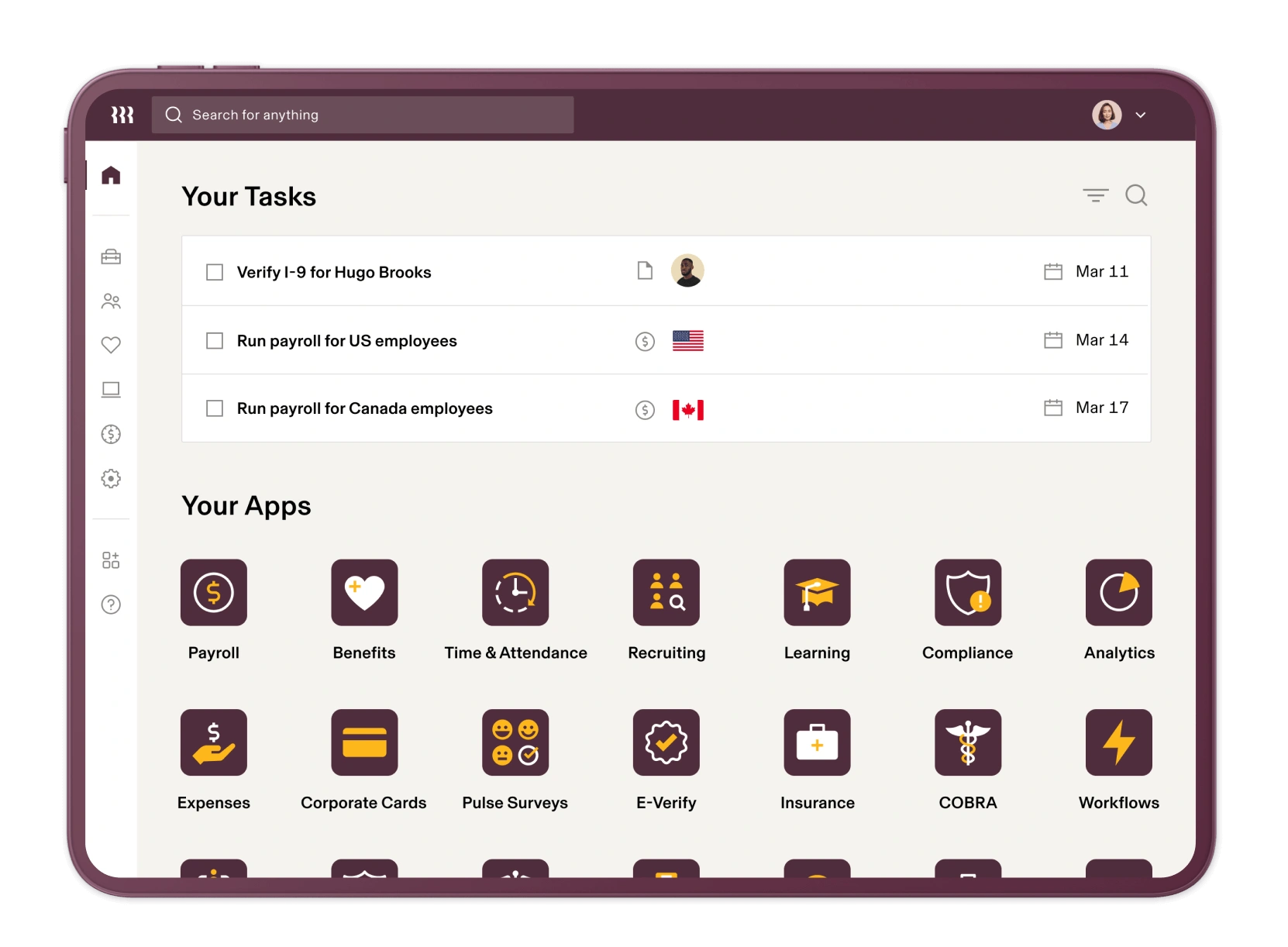
Rippling offers employee offboarding as part of its broader workforce management platform. It connects HR, IT, and payroll processes, making it easier to automate tasks when an employee leaves. This tight integration reduces manual coordination and helps ensure system access is handled promptly.
Rippling’s offboarding workflows trigger actions across tools such as device management, app access, and payroll. This automation reduces security risks and administrative delays, particularly for fast-growing organizations with complex tech stacks. Managers and HR teams can track progress in real time, which supports accountability during transitions.
While Rippling excels in automation and system control, it places less emphasis on long-term knowledge retention and internal communication. Organizations may still need complementary platforms to manage documentation and culture-focused offboarding experiences.
Key features of Rippling
- Automated offboarding workflows: Trigger access removal and task completion automatically.
- IT and app management: Control devices and software permissions from one system.
- Integrated payroll processing: Ensure final payments and benefits are handled correctly.
Best for: Companies prioritizing automated IT and HR coordination during employee exits.
3. Leena.ai

Leena.ai focuses on employee experience automation using conversational AI. Its offboarding capabilities center on guiding employees and HR teams through structured processes using chat-based workflows. This approach reduces confusion and ensures employees understand next steps throughout their exit.
The platform automates common offboarding tasks such as document collection, surveys, and approvals. HR teams benefit from reduced manual effort, while employees receive consistent, timely communication. Leena.ai also provides analytics that help organizations identify patterns and improve offboarding outcomes over time.
However, Leena.ai functions best as a layer on top of existing systems. It does not replace a centralized digital workplace or knowledge hub, which may limit its role in broader offboarding strategies.
Key features of Leena.ai
- Conversational workflows: Guide employees and HR through offboarding steps via chat.
- Automated surveys and documentation: Standardize exit feedback and records.
- Experience analytics: Track trends and identify process improvements.
Best for: Organizations focused on employee experience automation through AI-driven workflows.
4. BambooHR
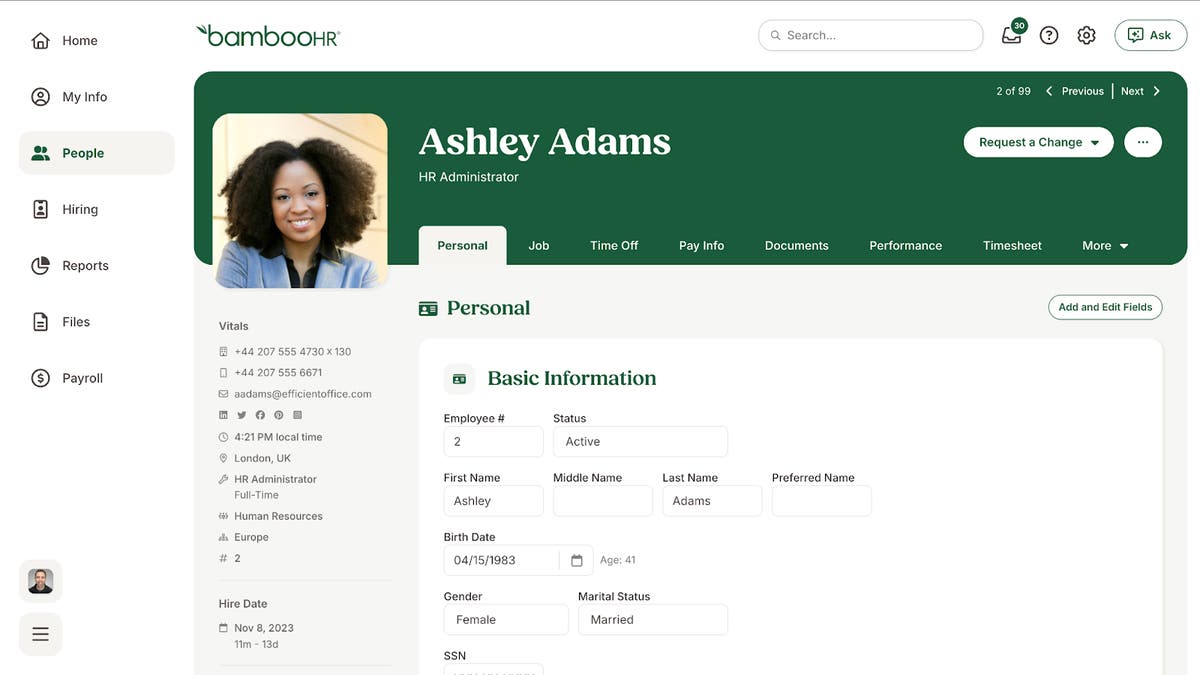
BambooHR is a well-known HR platform that includes employee offboarding as part of its broader HR management capabilities. Its offboarding tools focus on simplifying administrative tasks while maintaining consistency across employee transitions.
The platform allows HR teams to create standardized offboarding checklists that assign tasks to managers, IT, and payroll. This helps ensure steps such as final documentation, benefits updates, and exit interviews happen on time. BambooHR also centralizes employee records, making it easier to manage compliance and reporting during departures.
Where BambooHR is more limited is in cross-functional collaboration and knowledge retention. Offboarding tends to remain HR-centric, which means organizations often rely on additional tools for communication, documentation handovers, and internal alignment.
Key features of BambooHR
- Offboarding checklists: Standardize tasks and responsibilities across teams.
- Employee records management: Maintain accurate documentation and compliance data.
- Exit interview tracking: Collect feedback to inform retention strategies.
Best for: Small to mid-sized organizations seeking straightforward HR-led offboarding.
5. HiBob
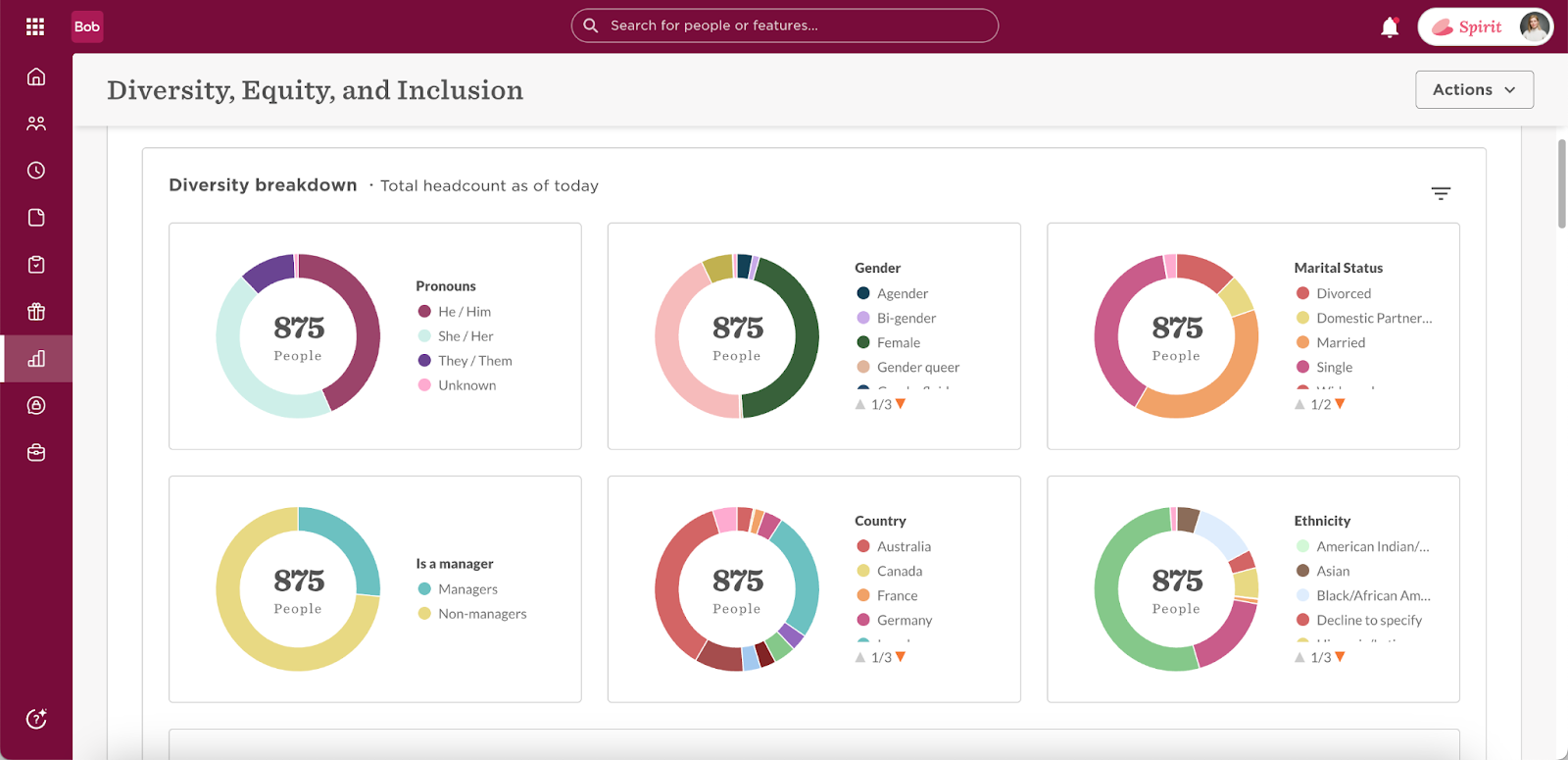
HiBob, often referred to as Bob, positions itself as an HR platform built for modern, people-focused organizations. Its offboarding capabilities emphasize structure, communication, and visibility across teams.
HiBob enables HR teams to design customizable offboarding workflows that trigger tasks, reminders, and notifications. Managers gain clear oversight of handovers, while employees receive consistent communication about what to expect next. The platform also supports surveys and analytics to measure offboarding effectiveness and sentiment.
While HiBob offers strong workflow and experience features, it does not function as a centralized knowledge or content hub. Organizations focused on long-term documentation and cross-team access control may need to pair it with a broader digital workplace platform.
Key features of HiBob
- Custom offboarding workflows: Align exit processes with company policies.
- Employee communications: Keep departing employees informed and supported.
- People analytics: Track trends and improve offboarding consistency.
Best for: People-first organizations prioritizing experience and visibility.
6. Personio

Personio is an all-in-one HR platform designed primarily for small and mid-sized businesses. Its offboarding tools focus on compliance, documentation, and task coordination within HR teams.
With Personio, HR teams can automate offboarding checklists, manage employee documents, and ensure final payroll and benefits tasks are completed accurately. The platform also supports reminders and approvals, reducing manual follow-ups during employee exits.
Personio’s offboarding capabilities work well for HR administration but offer limited support for broader collaboration and knowledge transfer. As a result, offboarding often remains a backend process rather than a shared organizational effort.
Key features of Personio
- Automated offboarding checklists: Reduce manual coordination and errors.
- Document management: Centralize contracts, certificates, and exit records.
- Compliance support: Maintain accuracy across payroll and benefits.
Best for: SMBs seeking compliant, HR-focused offboarding processes.
7. UKG

UKG provides workforce management and HCM solutions with offboarding capabilities designed for scale and regulatory complexity. Its tools are often used by larger organizations with distributed or frontline-heavy workforces.
UKG supports structured offboarding workflows that align HR, payroll, and compliance teams. Automated task assignments help ensure access changes, final pay, and documentation are handled consistently. The platform also offers reporting tools that help organizations track offboarding metrics across regions.
While UKG excels in compliance and scale, it is less focused on employee-facing experience and knowledge retention. Organizations may need additional systems to support communication and documentation during exits.
Key features of UKG
- Scalable offboarding workflows: Support large, complex organizations.
- Compliance and payroll alignment: Reduce risk during employee exits.
- Reporting and analytics: Monitor trends across teams and locations.
Best for: Enterprises managing high-volume or regulated offboarding.
8. Paycor
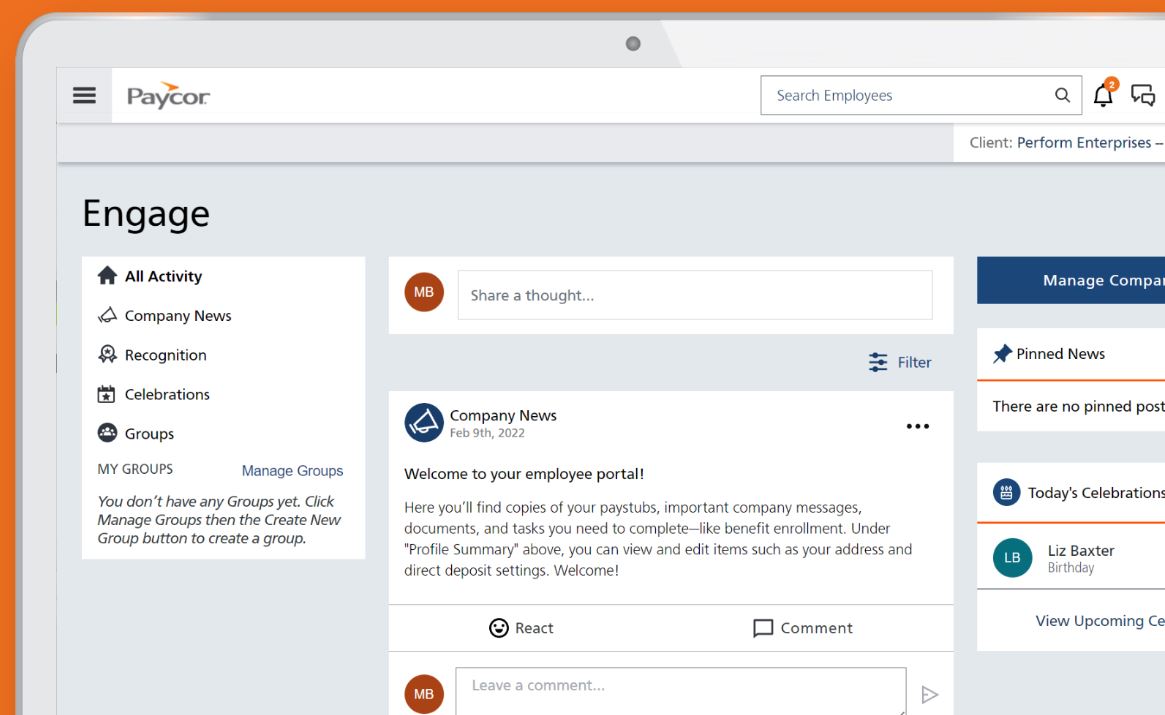
Paycor offers offboarding capabilities as part of its broader HR and payroll platform. Its approach centers on simplifying administrative steps and ensuring accuracy during employee exits. For organizations already using Paycor for payroll and HR, offboarding fits naturally into existing workflows.
The platform supports configurable offboarding checklists that assign tasks to HR, managers, and payroll teams. This helps ensure final pay, benefits changes, and documentation are completed on time. Paycor also provides reporting tools that give HR visibility into offboarding status and trends.
Paycor’s strengths lie in operational consistency rather than employee experience. Communication, knowledge transfer, and cross-team collaboration often require additional tools outside the platform.
Key features of Paycor
- Configurable offboarding checklists: Standardize exit tasks across teams.
- Payroll and benefits coordination: Reduce errors during final processing.
- HR reporting tools: Track offboarding progress and compliance.
Best for: Organizations seeking payroll-driven offboarding within an HR system.
9. ADP Workforce Now
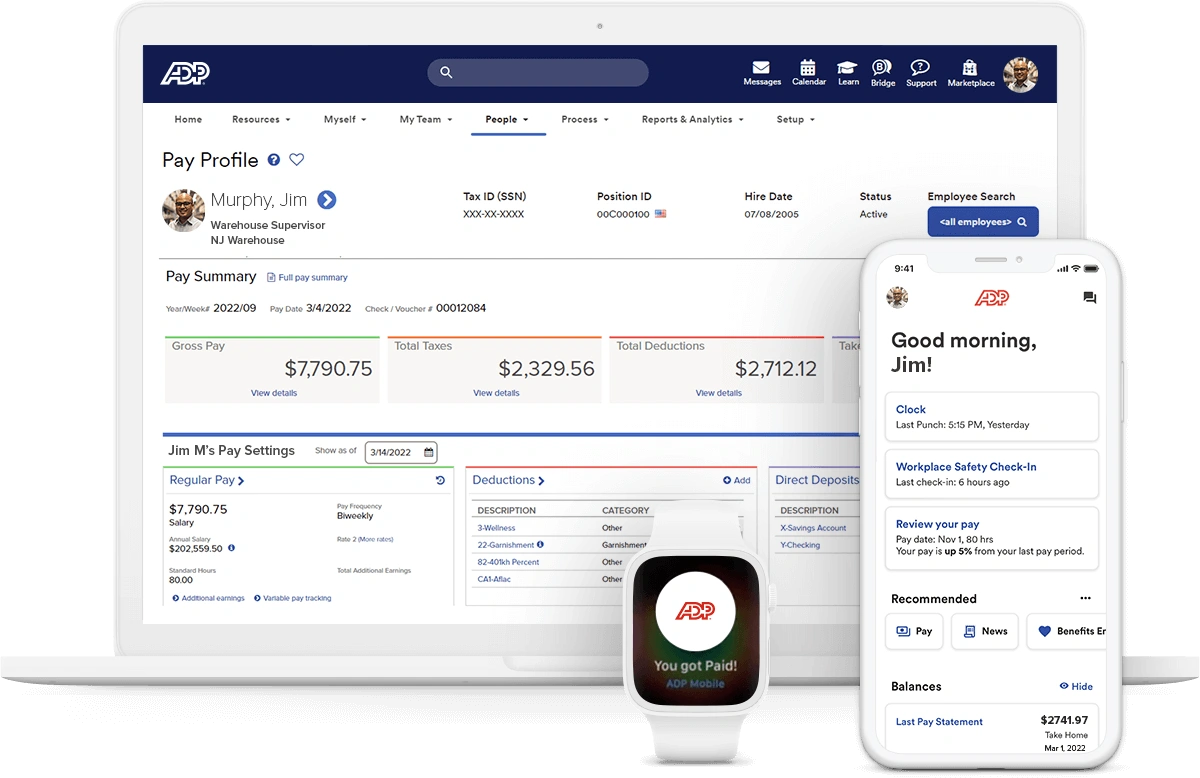
ADP Workforce Now provides employee offboarding within its comprehensive HCM suite. Its tools are designed to support large organizations with complex payroll, compliance, and reporting needs.
ADP enables HR teams to manage offboarding tasks, documentation, and final payroll processing from a centralized system. Automated workflows help reduce manual errors, while robust reporting supports audits and regulatory requirements. For organizations already embedded in the ADP ecosystem, offboarding becomes a seamless extension of core HR operations.
That said, ADP Workforce Now is primarily administrative in nature. It offers limited support for culture-driven offboarding, internal communication, or knowledge preservation.
Key features of ADP Workforce Now
- Enterprise-grade offboarding workflows: Support complex organizational structures.
- Payroll and compliance management: Ensure accuracy and regulatory alignment.
- Advanced reporting: Maintain visibility and audit readiness.
Best for: Large organizations prioritizing compliance and payroll integration.
10. Workday
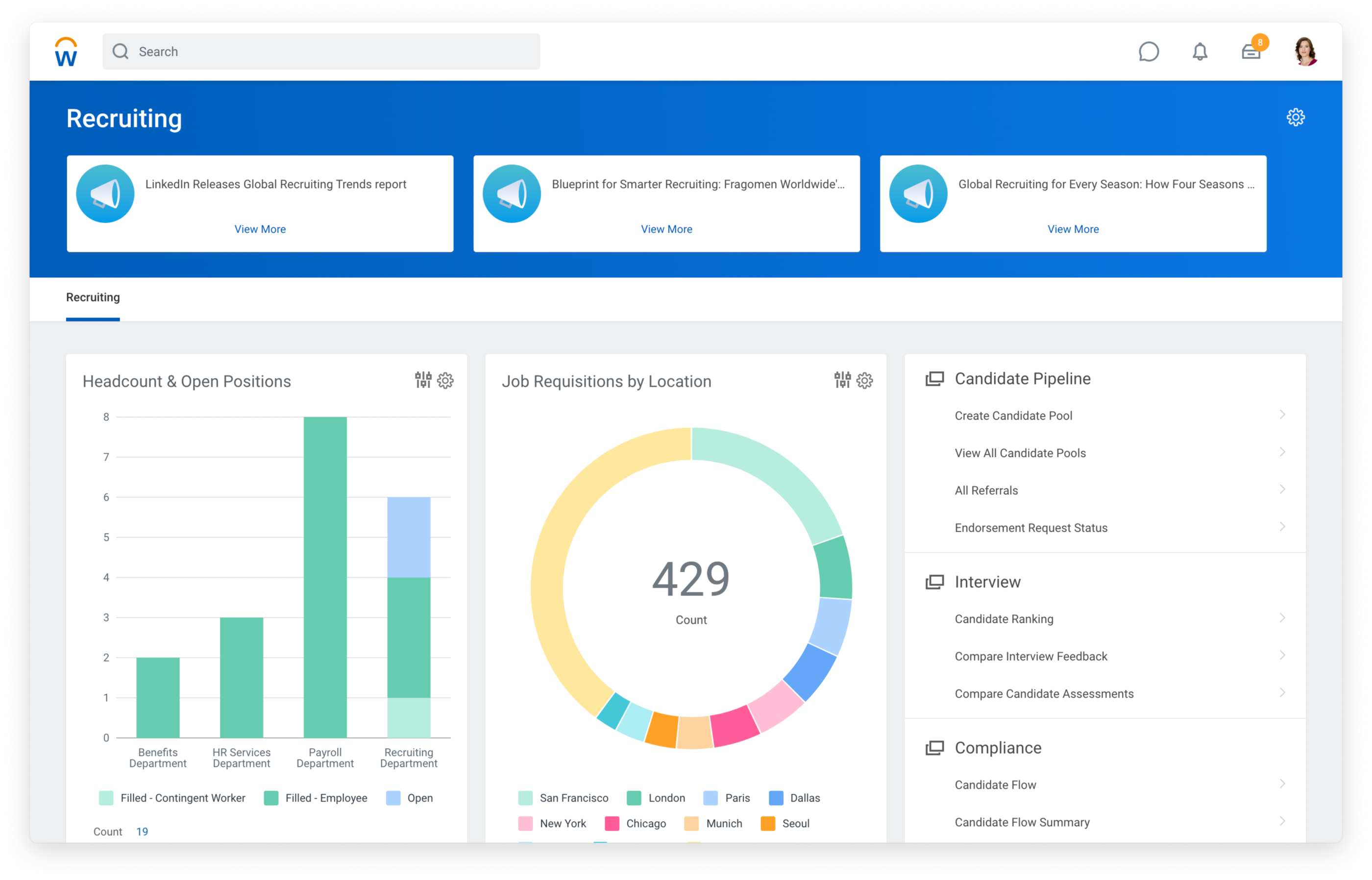
Workday delivers offboarding capabilities as part of its enterprise HCM platform. It is designed for organizations that require deep configurability, global compliance support, and advanced analytics.
Workday allows HR teams to manage offboarding workflows that align with regional policies and business rules. Tasks, approvals, and documentation are tracked centrally, while analytics provide insight into workforce trends and exit patterns. This makes Workday well suited for complex, global organizations.
However, Workday’s complexity often requires significant configuration and change management. Offboarding processes may feel system-driven rather than employee-centered without complementary platforms.
Key features of Workday
- Highly configurable workflows: Support global and enterprise needs.
- Compliance and policy alignment: Adapt offboarding to regional requirements.
- Workforce analytics: Analyze exit data at scale.
Best for: Large enterprises with complex global HR operations.
Choosing the right employee offboarding software
Employee offboarding sets the tone for how your organization values people, even as they leave. The right software helps you protect sensitive data, retain institutional knowledge, and deliver a consistent experience across every exit scenario.
While many platforms focus on HR administration or payroll accuracy, fewer address offboarding as a shared organizational process. A centralized digital workplace brings together workflows, communication, documentation, and governance in one place, reducing risk and improving clarity.
Axero stands out by treating offboarding as part of the employee lifecycle rather than a final transaction. By centralizing knowledge, workflows, and access management, Axero helps organizations offboard employees with structure, security, and respect.
If you’re looking to standardize offboarding while strengthening culture and continuity, we’d love to show you how Axero can support your teams. Book a demo today and see how a unified digital workplace simplifies every stage of the employee journey.





 info@axerosolutions.com
 1-855-AXERO-55