
Let’s face it: In today’s fast-paced business environment, a positive employee experience is crucial. Why? Because happy employees often equate to productive teams, leading to business success. So, how do businesses improve employee experience? Here comes employee experience software.
Why Employee Experience Matters
Ever heard the saying, “Happy employees, happy life?” Okay, maybe that’s not the exact phrase, but you get the drift.
Employee experience matters immensely because it directly influences an organization’s success. It refers to every interaction an employee has with a company, from recruitment to departure. A positive employee experience can lead to various benefits:
-
Improved Productivity: Employees who enjoy their work environment tend to be more engaged and productive. They’re motivated to contribute their best to the organization.
-
Talent Attraction and Employee Retention: Top talents are drawn to companies known for exceptional employee experience. Once onboard, a favorable experience decreases turnover, reducing the costs associated with hiring and training new staff.
-
Enhanced Customer Experience: Employees who are happy and feel valued often provide better customer service. This satisfaction trickles down to clients, enhancing their overall experience with the brand.
-
Innovation: A positive employee experience often fosters a culture creativity and enhanced collaboration, where employees feel safe to share ideas. This can lead to groundbreaking innovations.
-
Reputation: In the digital age, word spreads quickly. Companies with positive employee experience earn strong reputations, attracting partnerships, clients, and top-tier candidates.
-
Profitability: The cumulative effect of enhanced productivity, talent retention, innovation, and an improved customer experience can boost a company’s bottom line.
That said, prioritizing employee experience isn’t just a “nice-to-have” – it’s a strategic move essential for long-term success.
What Is Employee Experience Software?

Employee experience software is a digital solution designed to enhance the overall journey of employees within an organization. With features that allow companies to:
-
Streamline the onboarding process,
-
Conduct timely employee feedback surveys,
-
Organize training and development initiatives,
-
Offer self-service portals for personal data management,
Employee experience software plays a pivotal role in fostering a positive workplace environment. By leveraging these tools, organizations can significantly increase employee engagement and motivation, boost retention rates, improve productivity through efficient workflows, and cultivate an inclusive company culture.
What to Consider When Choosing Employee Experience Software?
Selecting the right tool can be as tricky as choosing the perfect pair of shoes. So, what should you look out for?
Customizability and Flexibility
Does the software cater to your specific needs? Can it bend without breaking?
Software, of any kind, should be adaptable to the unique demands and workflows of your business or project. A customizable employee experience software allows you to tailor its features, layouts, and integrations to better align with your and/or your company’s objectives. What we mean by “bending without breaking” is that while the software should be versatile, it must also maintain its stability and performance even when adjustments are made.
User-Friendliness
No one likes a complicated interface. How intuitive is it?
User-friendly software is essential for efficiency and productivity. An intuitive interface ensures that users can navigate and utilize the software without extensive training or constantly referring to help guides. The faster your team members can get up to speed with the software, the more value the employee experience software brings to the organization.
Scalability
Can the software grow as your company does? Think long-term.
As your business evolves, your software needs can expand or shift. Scalability here refers to the software’s ability to handle increased workloads, more users, or additional features without a decline in performance or necessitating a complete system overhaul. Investing in scalable software is a proactive approach, ensuring that the tool remains relevant and effective as the company grows or the objectives change.
Security and Compliance
Is your data safe, and does the software play by the rules?
Especially crucial for businesses that handle sensitive data, your employee experience software should have robust security measures in place to prevent breaches and unauthorized access. Additionally, if there are specific industry regulations or standards that your company needs to adhere to, ensure the software complies with those standards.
Integration Capabilities
Can the software play nicely with your other tools?
Your employee engagement platform should easily integrate with other tools and systems you currently use. Seamless integration ensures a smooth workflow and can enhance the functionality and efficiency of both the new software and existing systems. Ensure the software is compatible with the platforms or devices you intend to use, be it Windows, MacOS, Linux, mobile devices, or cloud-based platforms.
Updates and Maintenance
How often does the software get a tune-up?
Regular updates indicate that the software is actively maintained and improved. It’s essential to understand how often updates occur, whether they address security issues, and if they add new features or functionalities.
Top 20 Employee Experience Software in 2026
Here are some of the top employee experience software solutions in the market.
1. Axero
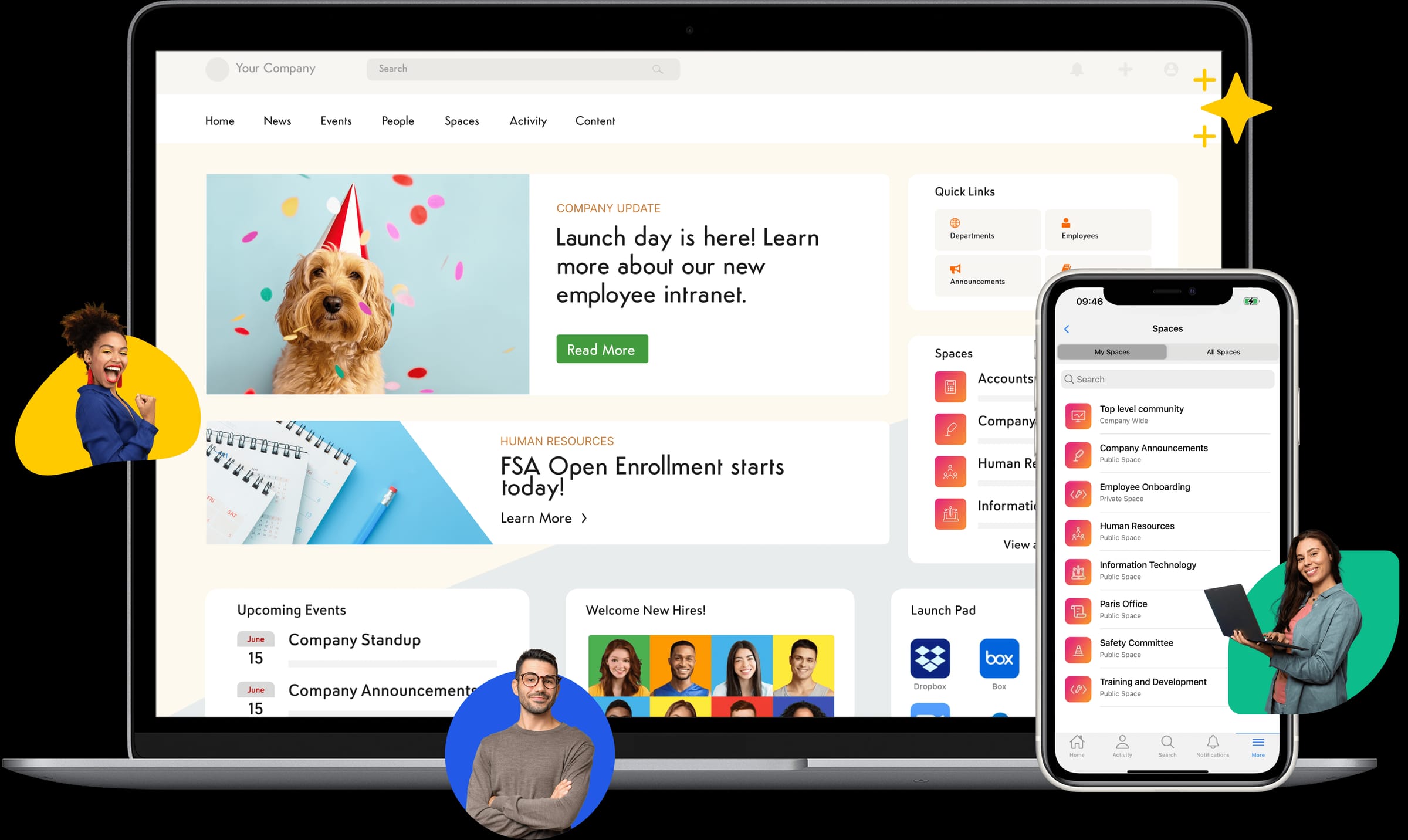
Axero stands out as a revolutionary employee experience software that offers an integrated intranet solution, combining internal communications, knowledge management, and collaboration tools.
Established with the belief that businesses flourish when employees collaborate effectively, our platform aims to create a holistic digital workspace where everyone feels connected, informed, and empowered.
-
Customizability and Flexibility: In an age of unique business models and ever-changing needs, Axero rises to the occasion with unparalleled adaptability. Companies can mold their features to reflect not just their brand, but also their ethos, values, and specific operational needs. Whether it’s tweaking the dashboard aesthetics, setting up personalized workflows, or adding custom modules, Axero ensures that organizations have the autonomy to create an environment that resonates with their vision.
-
User-Friendliness: We pride ourselves on our intuitive user interface, which is both visually pleasing and functionally efficient. By reducing the learning curve, Axero ensures that employees, regardless of their tech-savviness, can dive in immediately, accessing the tools and resources they need without fuss. Our platform also offers an Axero mobile application on both iOS and Android devices, ensuring connectivity and collaboration on the go.
-
Scalability: Whether a budding startup or a global conglomerate, Axero has demonstrated its prowess in scaling up or down to meet diverse organizational needs. Our modular architecture ensures that companies can add or remove features without disrupting the user experience, making the platform a future-proof solution in an ever-evolving business landscape.
-
Security and Compliance: Since data integrity and security are paramount in today’s digital era, Axero is acutely aware of this responsibility. Our platform is secure by design, providing industry-leading encryption methods, multi-factor authentication, and stringent access controls. Regularly updated to comply with global regulations like GDPR, HIPAA, and others, Axero offers peace of mind that employee and company data remain confidential and protected.
-
Integration Capabilities: We understand the multifaceted tools businesses use today; that’s why Axero’s integration capabilities are second to none. Whether it’s CRM systems, HR tools, or third-party apps, Axero can seamlessly integrate, ensuring employees have a unified, streamlined workspace. Moreover, our open API allows for custom integrations, further solidifying its position as a truly versatile platform.
-
Updates and Maintenance: Axero’s commitment to excellence is evident in our proactive approach to updates and maintenance. With a dedicated team continuously seeking feedback and observing industry trends, updates are rolled out regularly, each aiming to enhance user experience, add innovative features, or boost overall performance. Our customer support, often lauded, stands ready to assist, ensuring minimal downtime and swift resolutions.
Best for: A comprehensive intranet solution that places collaboration and knowledge management in one easy-to-use platform, boost employee engagement and internal communication along the way.
2. Qualtrics XM
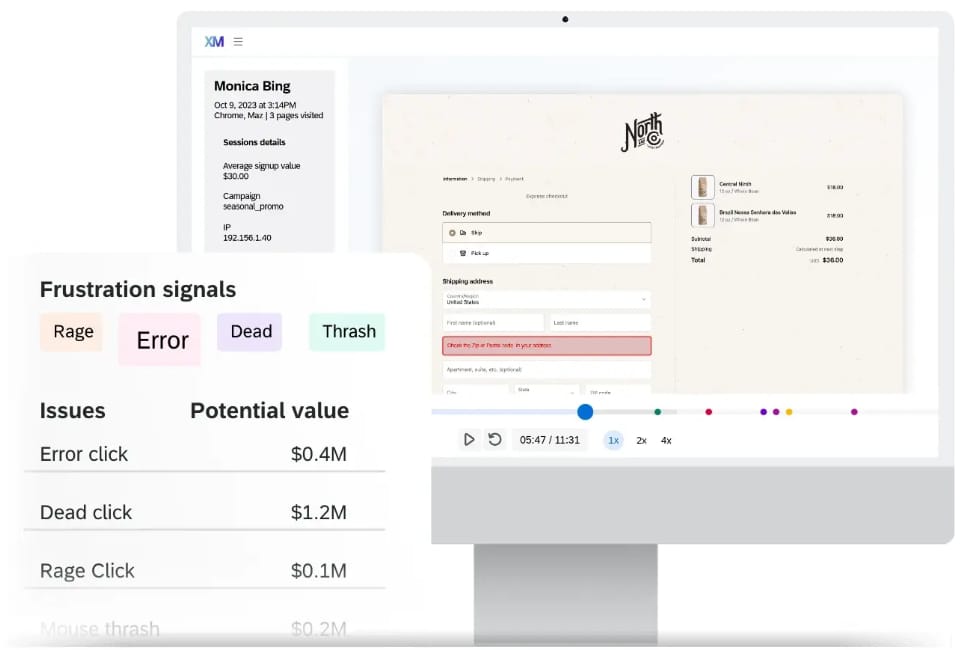
Part of the Qualtrics Experience Management platform, Qualtrics XM focuses on employee engagement, productivity, and retention through feedback, powered by AI and automation.
-
Customizability and Flexibility: Known for its flexibility, it can tailor surveys and feedback mechanisms to fit specific company needs.
-
User-Friendliness: A clean interface offers an intuitive experience for users.
-
Scalability: Suitable for both SMEs and large corporations, its robust platform can handle extensive growth.
-
Security and Compliance: Complies with GDPR and other global standards, ensuring data is kept secure and private.
-
Integration Capabilities: Has a wide range of integration options with other enterprise solutions.
-
Updates and Maintenance: Regular updates with new features, backed by Qualtrics’ strong support and maintenance team.
Best for: Data-driven insights for employee sentiment and experience, good for large-scale surveys and analytics.
3. Microsoft Viva Glint
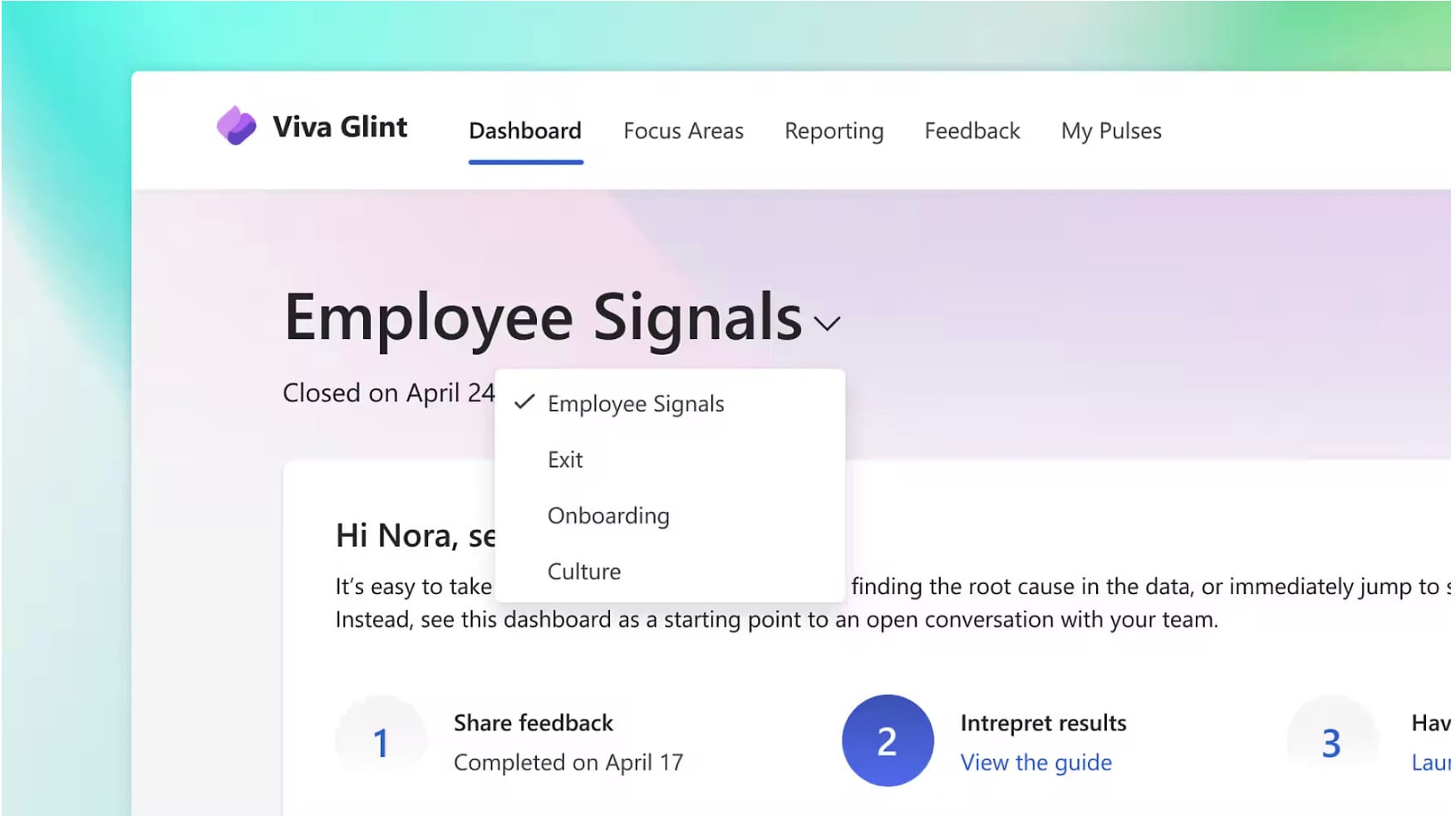
Acquired by Microsoft and integrated into the Viva suite, Viva Glint offers insights into employee feelings and sentiments with the use of organization-wide surveys, helping managers enhance well-being and productivity.
-
Customizability and Flexibility: Being part of the Microsoft ecosystem, it offers decent customizability, though might not be as flexible as standalone solutions.
-
User-Friendliness: Leveraging Microsoft’s design principles, it’s pretty user-friendly and integrates seamlessly with tools like Teams.
-
Scalability: Given Microsoft’s backing, scalability is a strong suit, suitable for organizations of all sizes.
-
Security and Compliance: Microsoft is known for stringent security protocols and compliance with global standards.
-
Integration Capabilities: Strong integration capabilities, especially within the Microsoft ecosystem.
-
Updates and Maintenance: Regular updates, with a robust support system given Microsoft’s global presence.
Best for: Integrated employee feedback and engagement insights for Microsoft 365.
4. 15Five
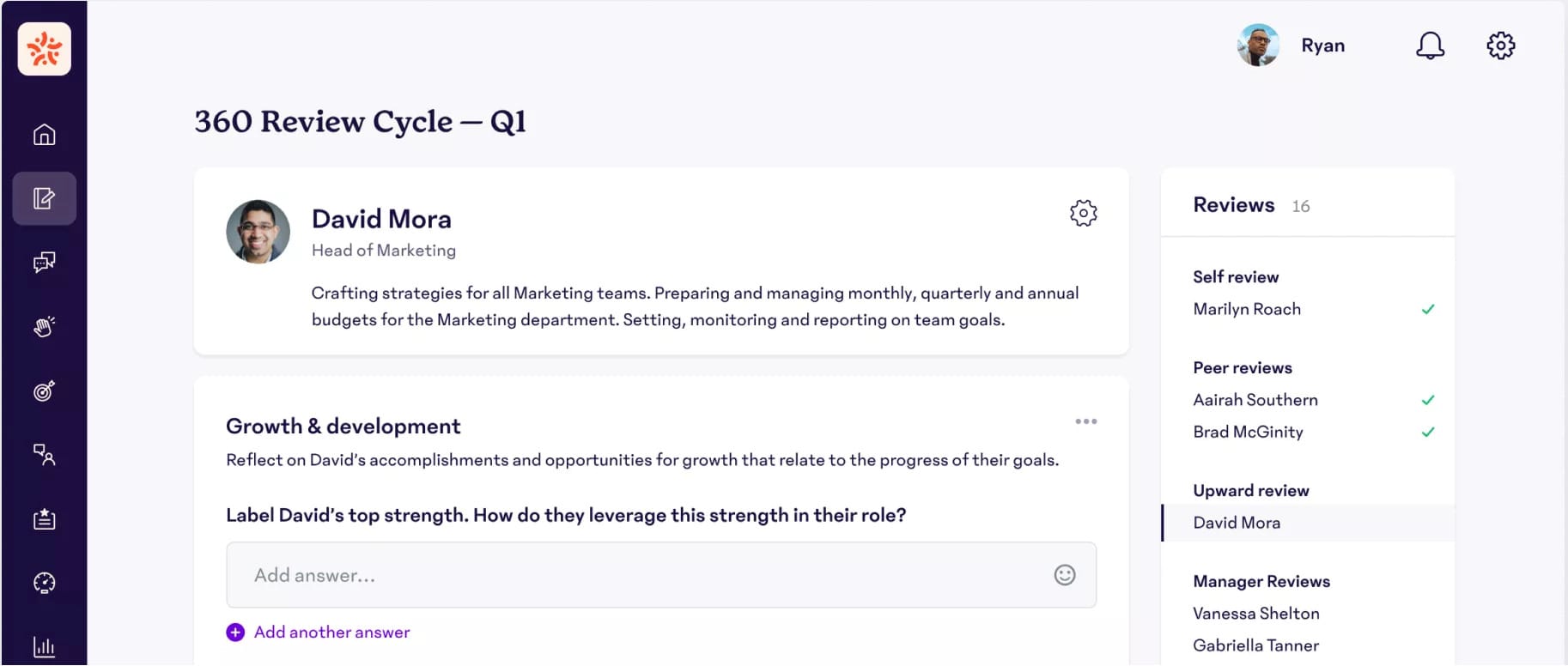
15Five offers continuous performance management tools that emphasize employee engagement, performance, and retention.
-
Customizability and Flexibility: Allows for customization of check-ins, objectives, and feedback forms.
-
User-Friendliness: Designed with simplicity in mind, its interface is intuitive and easy to navigate.
-
Scalability: It’s built to scale with the organization, from startups to enterprises.
-
Security and Compliance: Takes data security seriously with encryption, regular audits, and compliance checks.
-
Integration Capabilities: Integrates with popular HRIS tools.
-
Updates and Maintenance: Known for its proactive approach to updates and a responsive support team.
Best for: Continuous performance management with a focus on OKRs (Objectives and Key Results).
5. Peakon Employee Voice
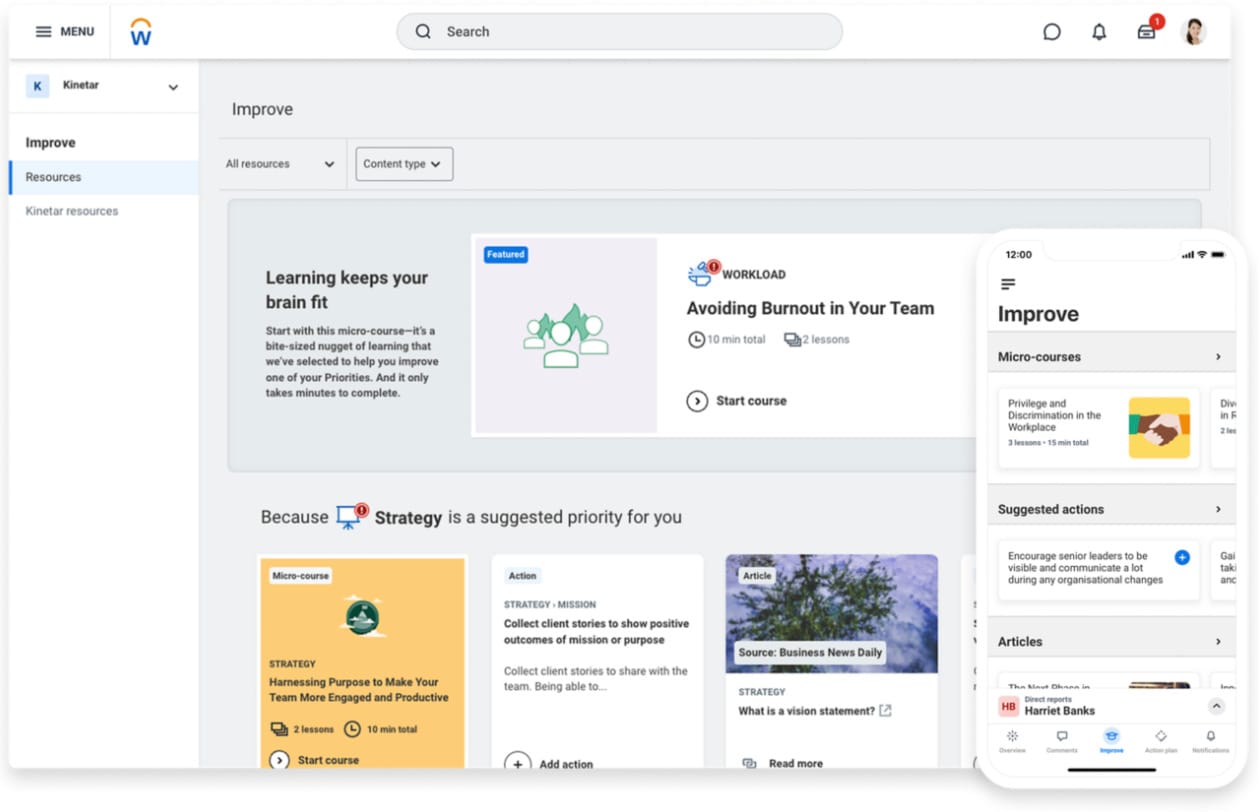
Acquired by Workday, Peakon Employee Voice is a “listening” platform that gathers and analyzes feedback to improve engagement and retention, employee satisfaction, and overall productivity. Its 10-point scale allows users to identify trends, delve into details, and take meaningful action to address genuine concerns.
-
Customizability and Flexibility: The platform offers customizable surveys and the ability to tailor feedback mechanisms.
-
User-Friendliness: A clear and intuitive interface ensures employees and managers can easily navigate the platform.
-
Scalability: With the backing of Workday, it can easily scale for large organizations while remaining agile for smaller ones.
-
Security and Compliance: High security standards are maintained with data encryption and adherence to global compliance standards.
-
Integration Capabilities: Integrates well within the Workday HCM ecosystem and other popular enterprise tools.
-
Updates and Maintenance: Regularly updated with improvements, with the support of Workday’s extensive tech team.
Best for: Real-time feedback collection and analytics, focusing on actionable insights to improve employee engagement.
6. Lattice
Lattice offers tools for reviews, feedback, one-on-ones, and goal-setting, among others, that help organizations boost performance, empower managers, improve retention, and make data-based decisions.
-
Customizability and Flexibility: Provides customization options for feedback forms, reviews, and other features.
-
User-Friendliness: The user-centric design ensures employees find the platform approachable and easy to use.
-
Scalability: Built to accommodate both SMEs and larger enterprises.
-
Security and Compliance: Ensures data security with encryption, two-factor authentication, and compliance with standards.
-
Integration Capabilities: Offers integrations with popular HRIS, communication, and productivity tools.
-
Updates and Maintenance: Features regular updates and is renowned for its award-winning customer service department.
Best for: Goal setting, performance reviews, and engagement surveys, with a strong focus on people development.
7. Beekeeper
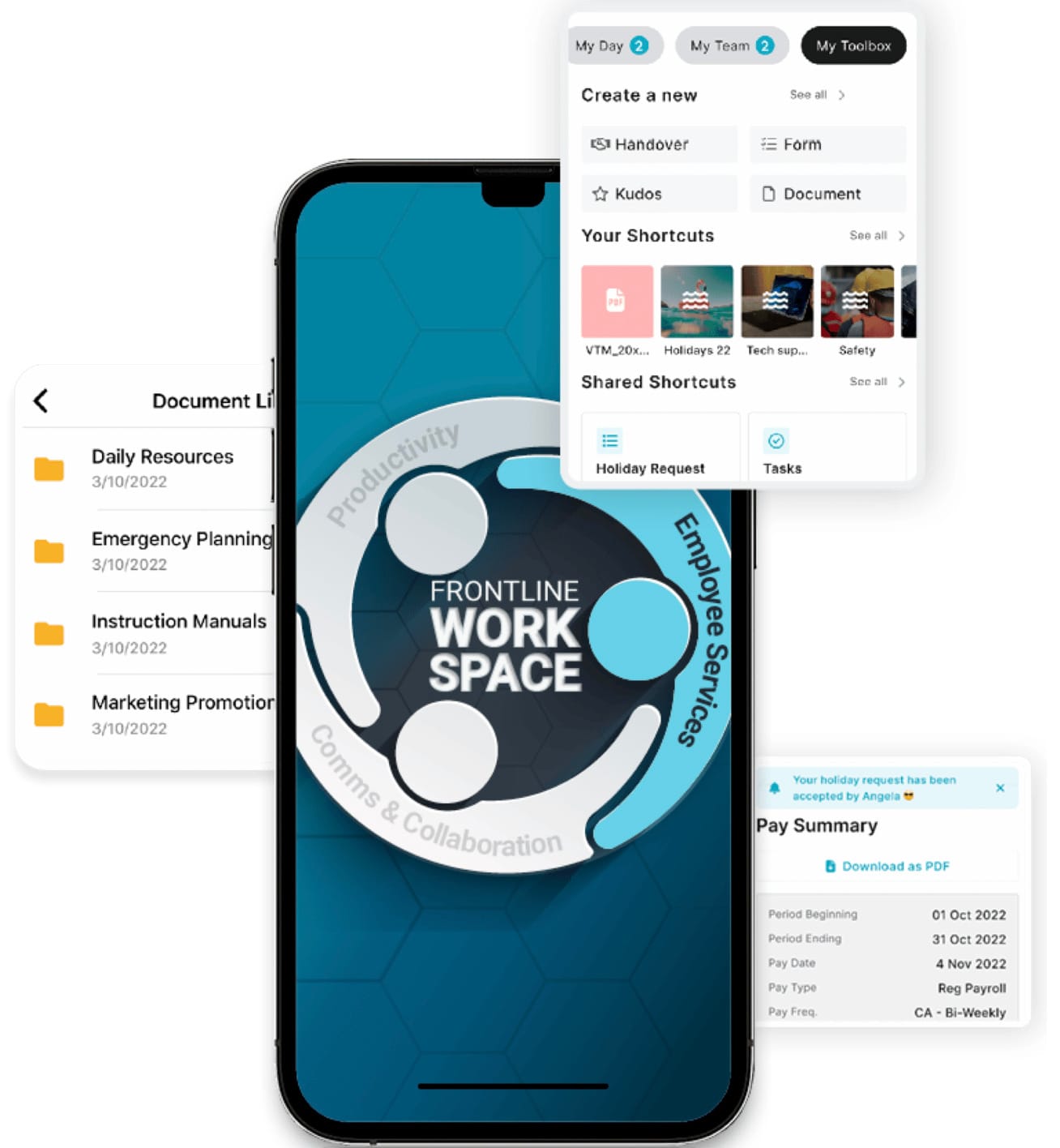
Beekeeper is a mobile-first platform that focuses on connecting frontline workers and provides tools for communication and collaboration, employee services (HRIS), and productivity.
-
Customizability and Flexibility: The platform is highly customizable to fit the needs of diverse industries and worker types.
-
User-Friendliness: Designed with frontline workers in mind, it’s intuitive and requires minimal training.
-
Scalability: Can cater to both small teams and large, distributed workforces.
-
Security and Compliance: Top-tier security protocols, with GDPR compliance and data encryption.
-
Integration Capabilities: Provides a marketplace of integrations and an open API for custom connections.
-
Updates and Maintenance: Regularly updated to meet user needs, backed by a dedicated support team.
Best for: Connecting frontline employees and dispersed teams through their mobile-first platform.
8. Staffbase
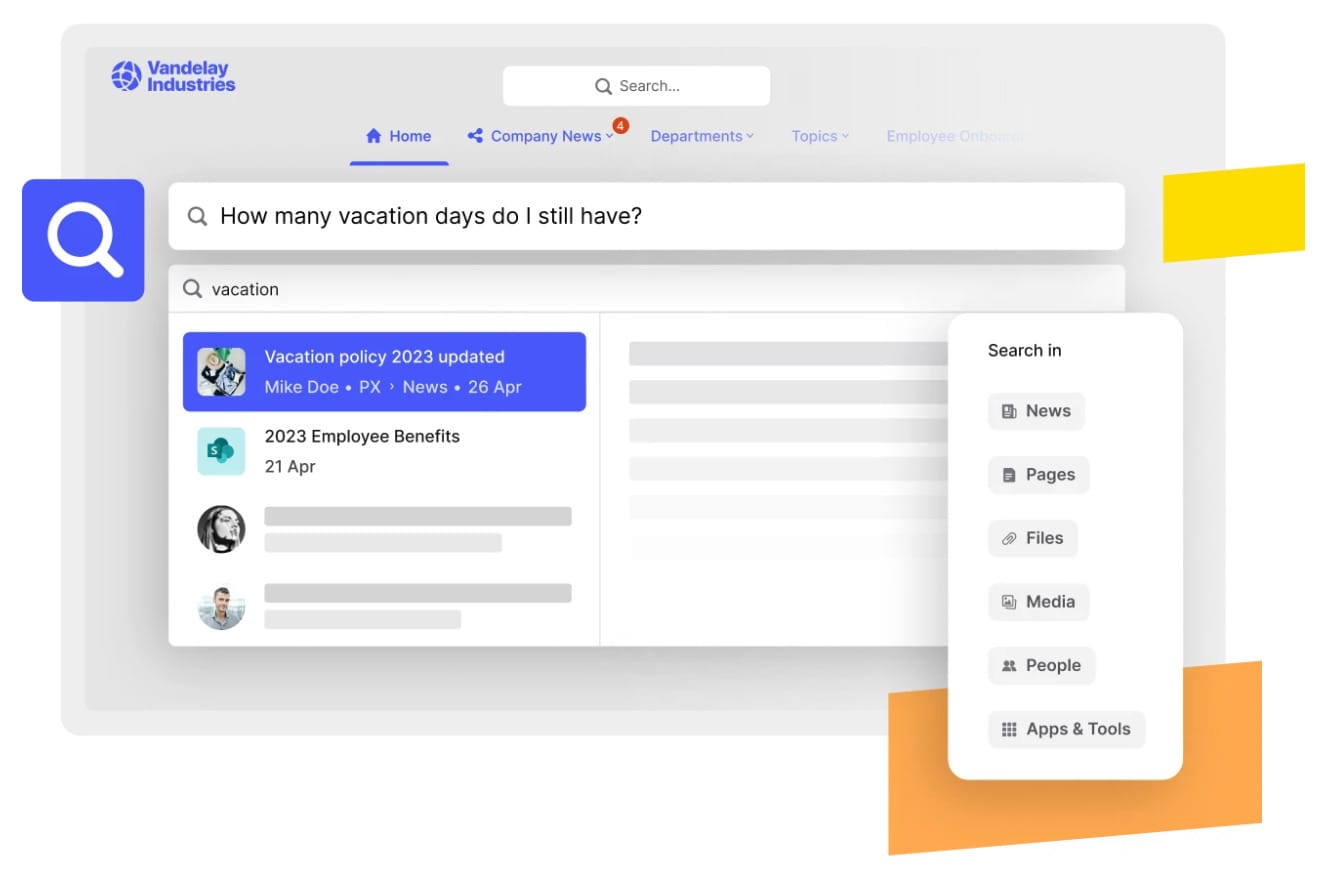
Staffbase offers an employee app for internal communications, providing tools for news, employee surveys, and onboarding.
-
Customizability and Flexibility: Tailorable to fit a company’s brand and specific communication needs.
-
User-Friendliness: Emphasizes ease of use, ensuring broad adoption across an organization.
-
Scalability: From small businesses to global enterprises, it’s designed to scale accordingly, regardless of locations, departments, teams, or subsidiaries.
-
Security and Compliance: With roots in Germany and the EU, it adheres to strict European data protection regulations and provides robust security features.
-
Integration Capabilities: Offers an array of integration options, from HR tools to content management systems.
-
Updates and Maintenance: Regular updates ensure the app remains fresh and functional, with a solid support infrastructure.
Best for: Internal communications and employee engagement through a customizable app.
9. UKG Dimensions (formerly Kronos Workforce Dimensions)
A workforce management solution, UKG Dimensions offers tools for AI-powered scheduling, timekeeping, and employee self-service.
-
Customizability and Flexibility: Highly customizable to accommodate specific industry needs and workforce complexities.
-
User-Friendliness: Designed for a diverse workforce, it’s intuitive with a modern UI.
-
Scalability: With the legacy of Kronos and the backing of UKG, it’s built to handle enterprises of any size.
-
Security and Compliance: Top-notch security measures and compliances ensure data protection.
-
Integration Capabilities: Extensive integration capabilities, including HR, payroll, and analytics tools.
-
Updates and Maintenance: Regularly updated with a long-standing reputation for strong tech support, including 24/7 support for infrastructure outages.
Best for: Comprehensive workforce management and employee experience, including scheduling and timekeeping.
10. Culture Amp
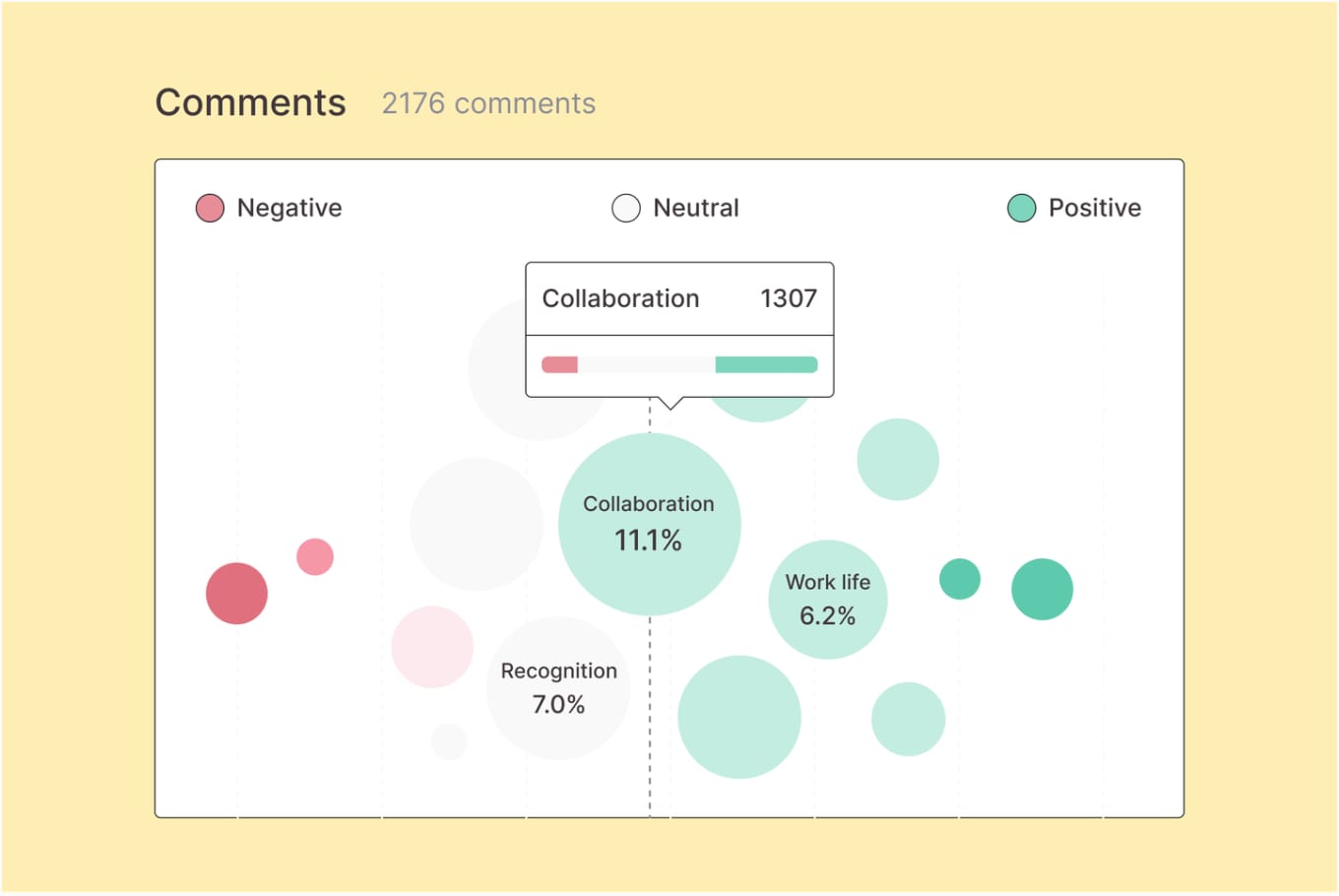
Culture Amp is an employee experience platform that focuses on enhancing company culture, employee engagement, employee performance, and employee development.
-
Customizability and Flexibility: Offers customizable survey templates and feedback mechanisms tailored to each organization.
-
User-Friendliness: An intuitive dashboard makes it easy for HR and managers to gather powerful insights and L&D data.
-
Scalability: Flexible enough to accommodate growing companies of various sizes.
-
Security and Compliance: Ensures data protection with encryption and adheres to global compliance standards.
-
Integration Capabilities: Provides integrations with many HRIS, communication, and data visualization tools.
-
Updates and Maintenance: Frequently updated based on user feedback with a committed support team.
Best for: Engagement surveys and analytics, with an emphasis on improving workplace culture and employee well-being.
11. Workhuman
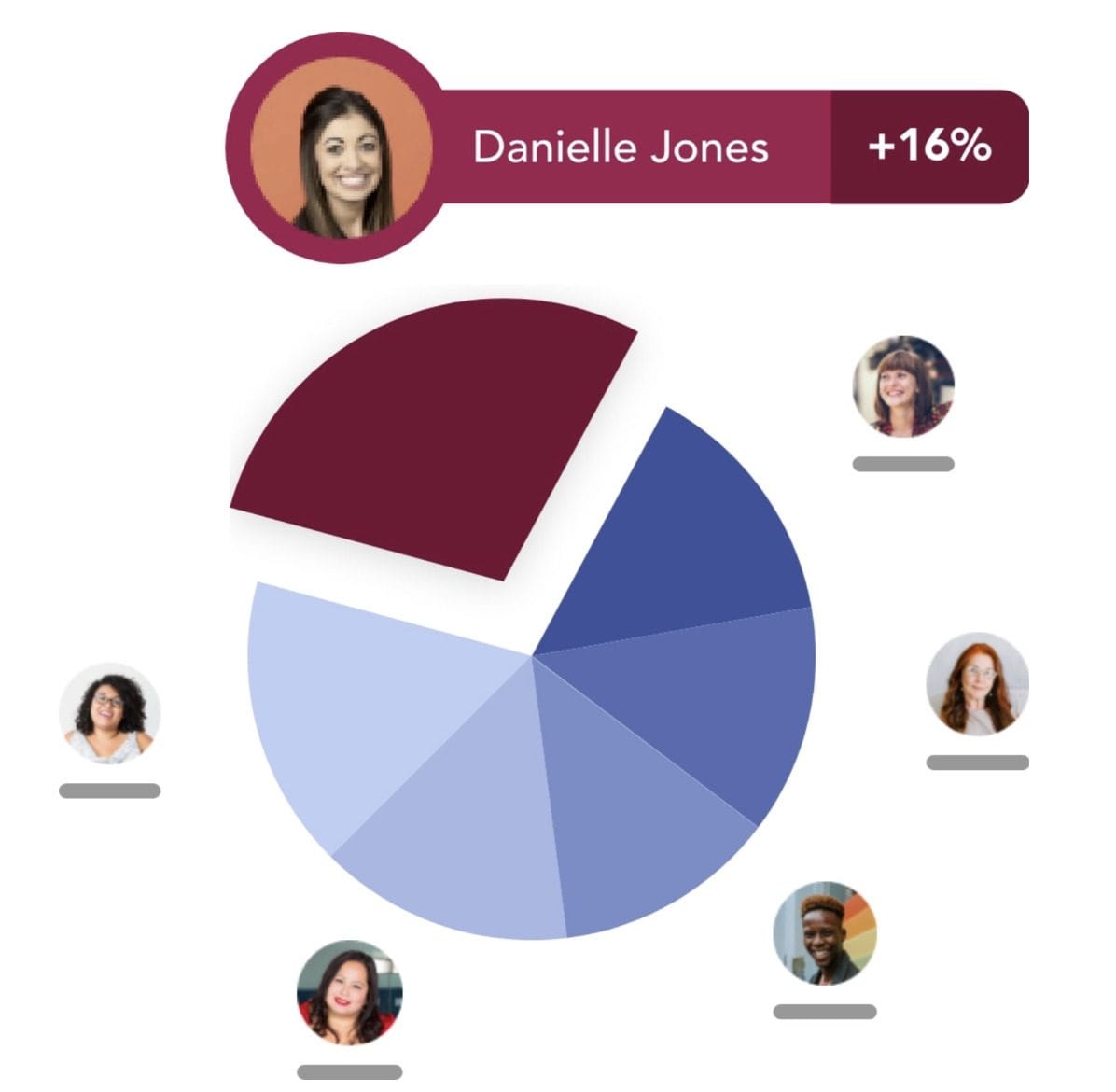
Workhuman (formerly Globoforce) emphasizes the human aspects of work, offering tools for employee recognition, feedback, and team celebrations.
-
Customizability and Flexibility: The platform provides options for personalizing employee recognition programs and feedback processes.
-
User-Friendliness: Designed to bring a human touch, the UI is intuitive and emotionally resonant.
-
Scalability: Suitable for businesses of all sizes, from SMEs to large enterprises.
-
Security and Compliance: Strong data protection measures are in place, coupled with adherence to global compliance standards.
-
Integration Capabilities: Easily integrates with HRIS systems and other enterprise solutions.
-
Updates and Maintenance: Regular feature updates with a proactive support team.
Best for: Social recognition and rewards and fostering a positive work environment through peer-to-peer recognition.
12. Workvivo
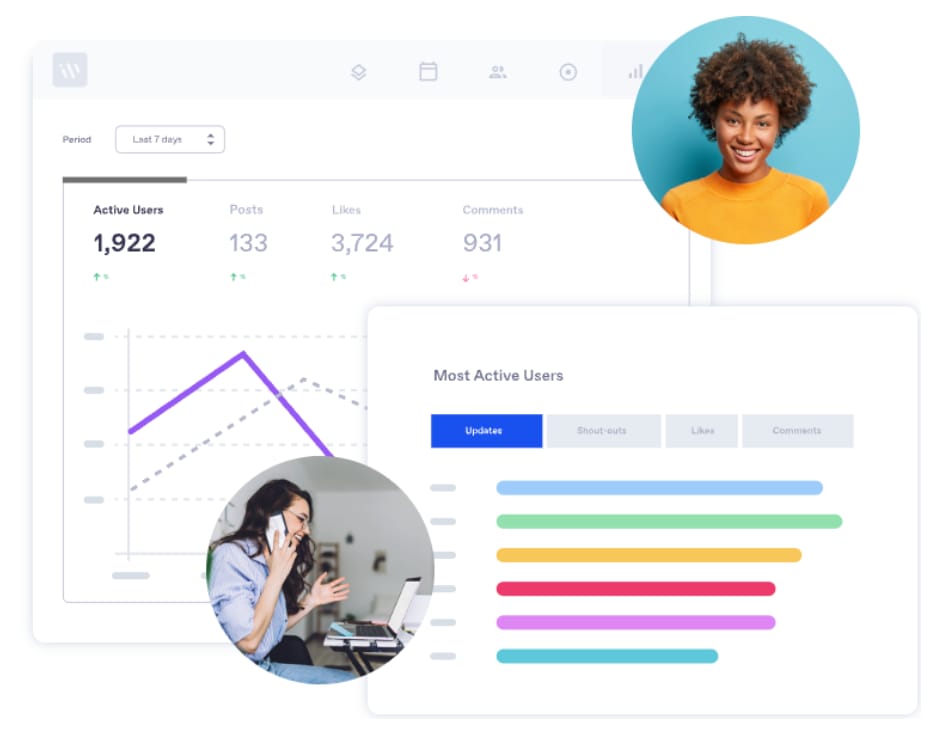
Workvivo is an internal communications platform designed to engage and connect employees, serving as a digital hub for organizations.
-
Customizability and Flexibility: Companies can brand and tailor the platform to their unique cultural and communicative needs.
-
User-Friendliness: Emphasizing engagement, the platform offers a user-friendly experience closely similar to social media.
-
Scalability: Built to adapt from startups to global enterprises.
-
Security and Compliance: Top-tier security protocols, with strict data privacy measures and compliance adherence.
-
Integration Capabilities: Broad integration features with popular enterprise tools and HRIS systems.
-
Updates and Maintenance: Frequent feature enhancements and a responsive support team.
Best for: Enhancing company culture and internal communications through a social media-like features.
13. Bonfyre
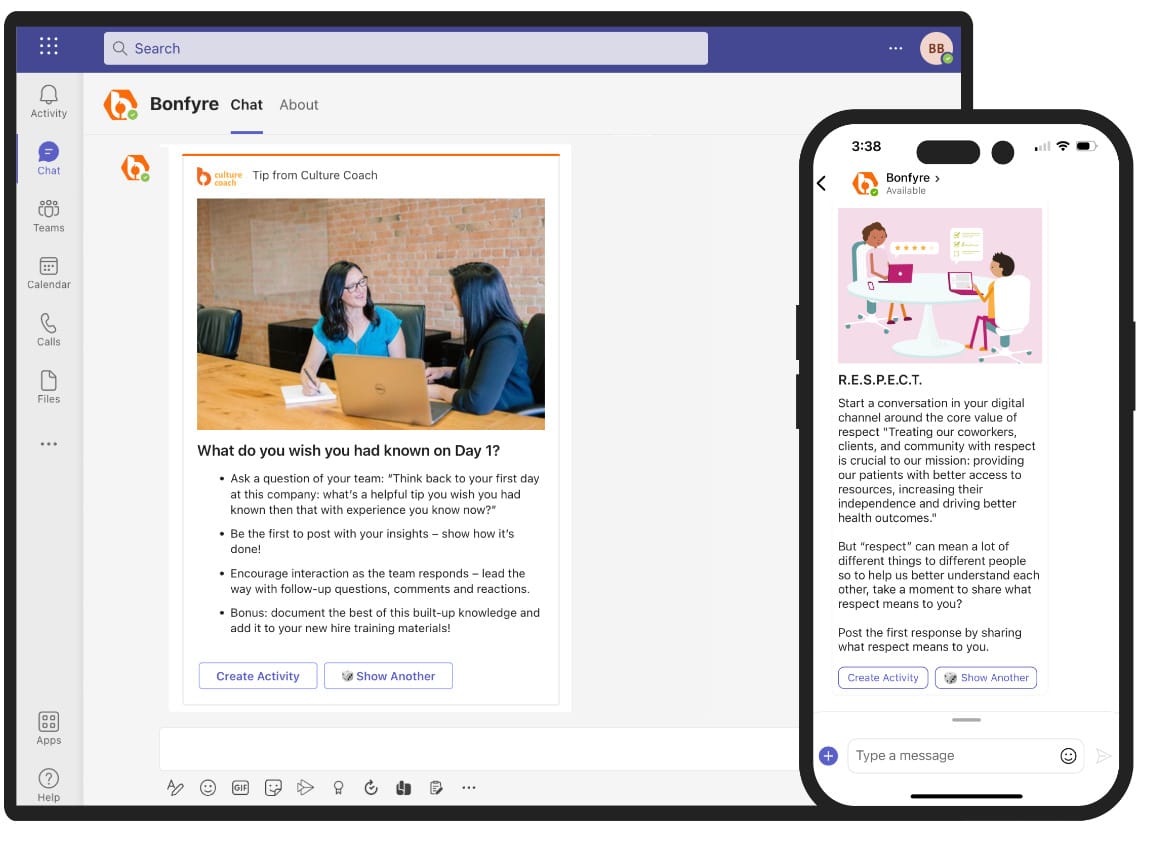
Bonfyre offers internal communication and engagement tools that build strong company cultures and connect dispersed teams thanks to omni-channel engagement tools, pre-built actions, and smart nudges.
-
Customizability and Flexibility: The platform can be tailored to mirror company branding and specific communication strategies.
-
User-Friendliness: The intuitive design ensures employees find it easy to interact and engage.
-
Scalability: Adaptable for both smaller teams and larger, distributed organizations.
-
Security and Compliance: Prioritizes data security with encryption and complies with major data protection regulations.
-
Integration Capabilities: Offers integration options with some enterprise tools, though it may be more limited than others on the list.
-
Updates and Maintenance: Consistent updates with an accessible customer support team.
Best for: Creating virtual communities and engaging employees through social features and communication tools.
14. Blink
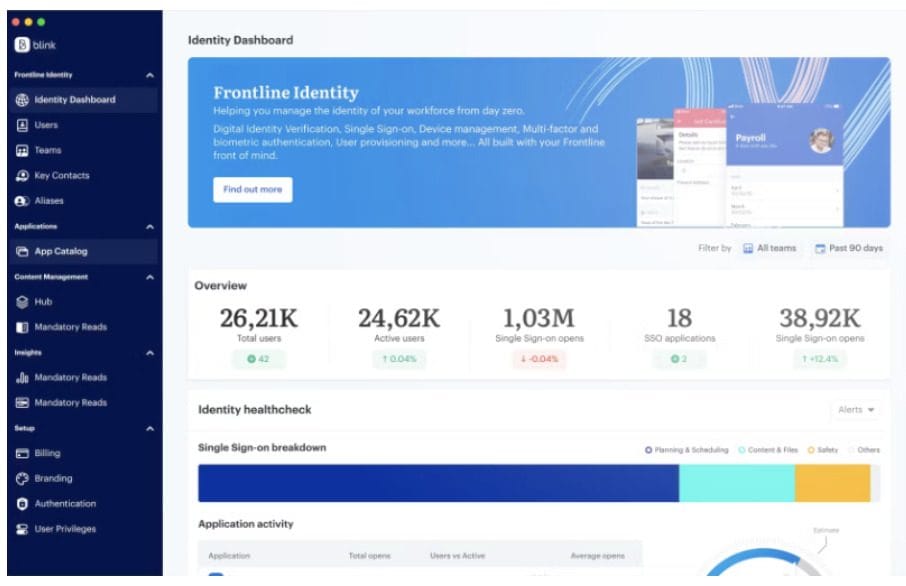
A self-proclaimed world’s best frontline app, Blink, is designed for frontline workers to communicate, engage, and manage tasks with ease.
-
Customizability and Flexibility: Offers a high degree of personalization to cater to diverse industries and teams.
-
User-Friendliness: Simplistic and intuitive, it’s made for quick onboarding and ease of use thanks to a social media-like feed.
-
Scalability: Suitable for varying team sizes, from small units to extensive workforces.
-
Security and Compliance: Ensures robust data security and compliance with GDPR and other regulations.
-
Integration Capabilities: Open API allows for a wide array of integrations with enterprise tools.
-
Updates and Maintenance: Regular feature rollouts and a supportive tech team.
Best for: Mobile-first communication and engagement, especially for connecting deskless and remote workers.
15. Firstup (formerly Dynamic Signal)
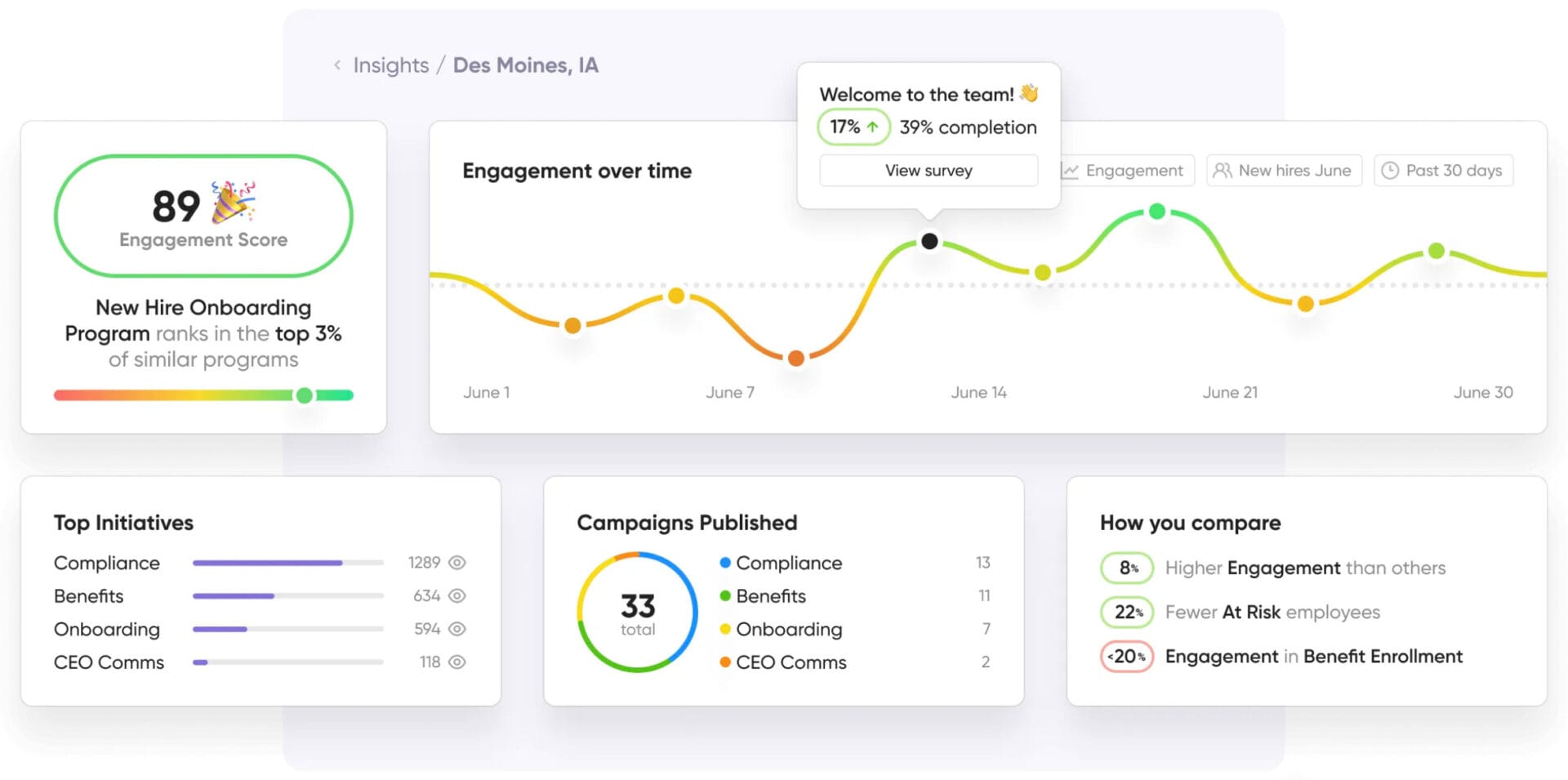
Firstup focuses on employee communication and engagement, providing a platform for content distribution, feedback, and analytics throughout the employee lifecycle.
-
Customizability and Flexibility: Companies can tailor the platform to their unique communication needs and branding.
-
User-Friendliness: The platform is designed for ease of use, ensuring broad adoption across organizations.
-
Scalability: Can efficiently serve both SMEs and large global enterprises.
-
Security and Compliance: Implements stringent security measures and adheres to global compliance standards.
-
Integration Capabilities: Broad integration possibilities with popular HR, communication, and analytics platforms.
-
Updates and Maintenance: Regularly updated with new features and supported by a robust customer service team.
Best for: Personalized employee communications and engagement, leveraging AI to tailor messages.
16. Enboarder
Enboarder offers a human-centered onboarding solution that emphasizes the human connection and employee experience from pre-boarding to retention.
-
Customizability and Flexibility: Highly customizable workflows to fit varying onboarding needs and scenarios.
-
User-Friendliness: Designed for a seamless onboarding experience, ensuring a smooth journey for HR and new hires alike.
-
Scalability: Adaptable to companies of all sizes, from startups to global entities.
-
Security and Compliance: Prioritizes data protection with encryption and compliance with major regulations.
-
Integration Capabilities: Integrates with leading HRIS systems and enterprise tools.
-
Updates and Maintenance: Regular updates ensure the onboarding process stays modern, supported by an active customer support team.
Best for: Onboarding processes that emphasize engagement and personalized experiences for new hires.
17. Huler
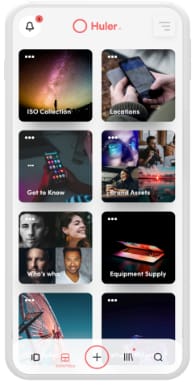
Huler is an employee experience platform aiming to centralize tools, resources, and information, making it more accessible for employees. It aims to help companies maximize ROI and boost productivity.
-
Customizability and Flexibility: Companies can personalize Huler to reflect their brand and suit their specific needs.
-
User-Friendliness: The interface is clear and simple, aiming to be intuitive for users of all technical levels.
-
Scalability: Adaptable for companies of various sizes, ensuring the platform grows with the business.
-
Security and Compliance: Takes security seriously, offering encrypted data storage and compliance with international standards.
-
Integration Capabilities: Provides a range of integration options with popular enterprise and productivity tools.
-
Updates and Maintenance: Continuously updated based on user feedback with a responsive support team.
Best for: Curating digital workplace content and simplifying employee access to resources and tools.
18. Unily
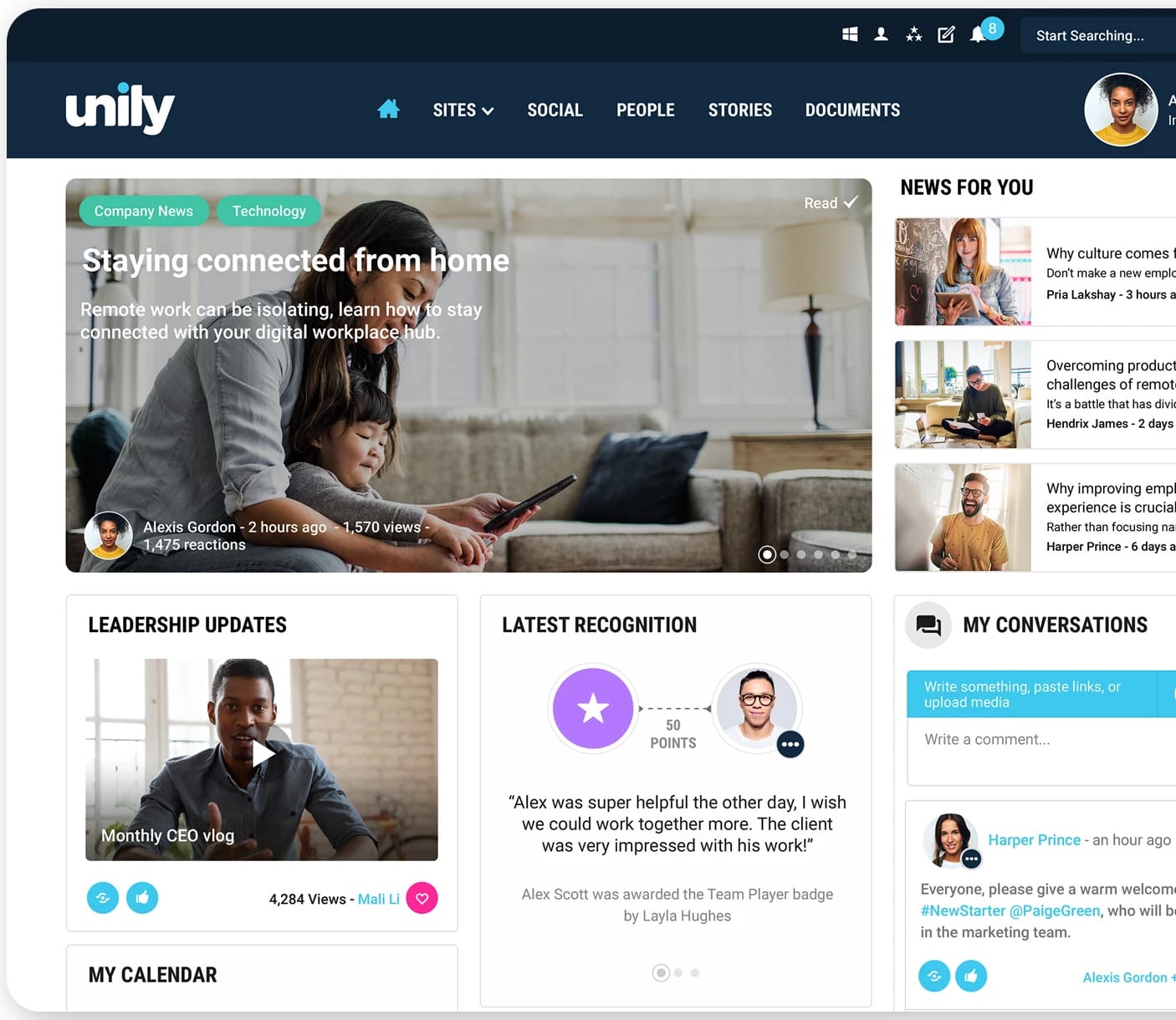
Unily is an employee experience platform that integrates with major enterprise tools to provide a centralized digital workplace.
-
Customizability and Flexibility: Highly customizable to fit individual organizational needs and branding.
-
User-Friendliness: With a focus on a seamless experience, Unily’s interface is user-centric and easy to navigate.
-
Scalability: Designed for both medium-sized businesses and global enterprises.
-
Security and Compliance: Implements top-tier security protocols and ensures compliance with global data protection regulations.
-
Integration Capabilities: Strong integration capabilities, especially with Microsoft’s suite of enterprise tools.
-
Updates and Maintenance: Regular updates to enhance functionality, backed by a dedicated support team.
Best for: Enterprise-grade intranet solutions, enhancing internal communication and collaboration.
19. HiBob
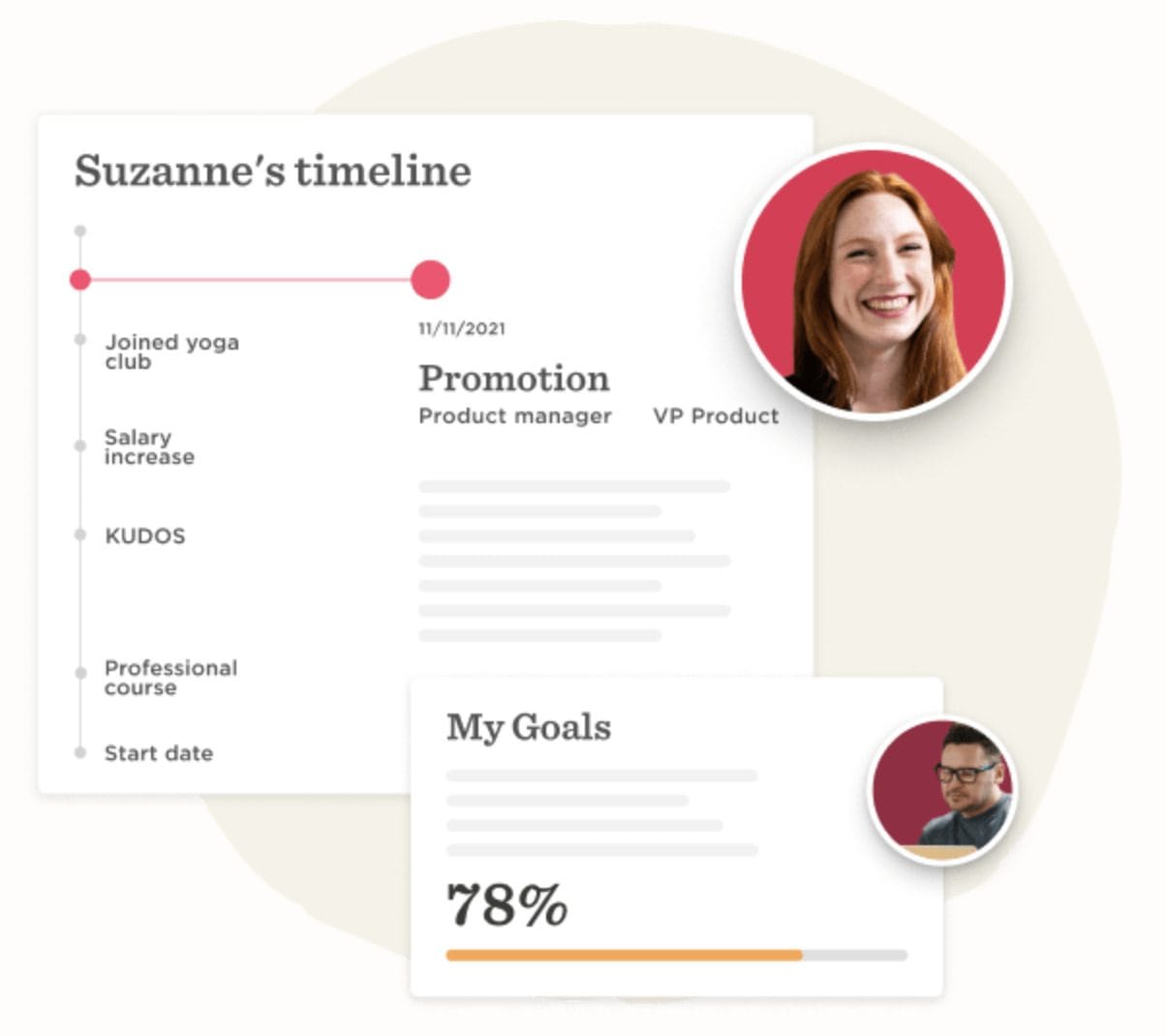
HiBob, often referred to simply as Bob, is a modern HRIS system that focuses on engaging employees from onboarding onwards and powering productivity, engagement, and retention.
-
Customizability and Flexibility: Offers tailored solutions, allowing companies to adapt the system to their HR needs.
-
User-Friendliness: A modern, intuitive UI ensures ease of use for both HR professionals and employees.
-
Scalability: Built to accommodate both SMEs and larger enterprises.
-
Security and Compliance: Prioritizes data protection with encryption and is compliant with GDPR and other standards.
-
Integration Capabilities: Broad integration possibilities with other HR tools, payroll systems, and enterprise platforms.
-
Updates and Maintenance: Regularly updated, with a focus on improving user experience and a proactive customer support team.
Best for: HRIS (Human Resource Information System) with a focus on modern HR practices and employee engagement.
20. Motivosity
Motivosity is a platform centered around employee recognition and engagement, offering tools for rewards, feedback, and insights.
-
Customizability and Flexibility: Allows organizations to tailor recognition programs to their specific needs.
-
User-Friendliness: Designed with a focus on ease of use, ensuring employees actively engage with the platform.
-
Scalability: Serves a wide range of company sizes, from smaller teams to larger organizations.
-
Security and Compliance: Offers encrypted data storage and ensures adherence to major data protection standards.
-
Integration Capabilities: Provides integration options with popular HR systems and communication tools.
-
Updates and Maintenance: Frequently updated based on user feedback with a committed and responsive support team.
Best for: Fostering a culture of appreciation and recognition, with a platform designed for peer recognition and rewards.
Choosing Axero for Your Employee Experience Software
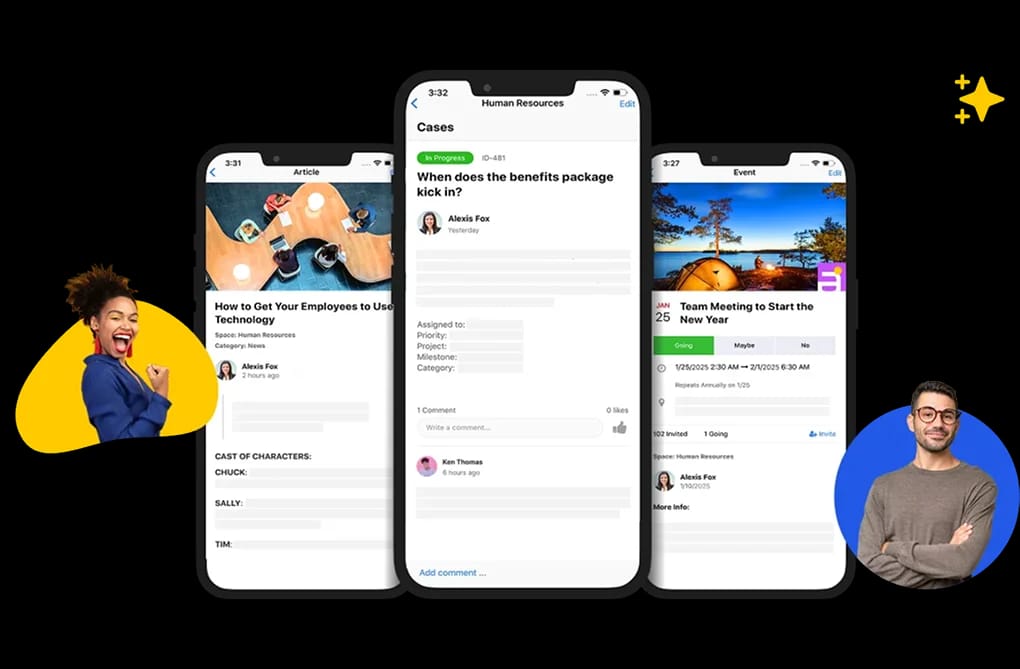
A robust employee experience management software, like Axero, goes beyond just being a functional tool. It serves as the backbone of an organization, fostering collaboration, promoting transparency, and enhancing overall morale. Much like the sturdy foundation of a skyscraper that ensures its towering success, investing in a top-tier platform can help a business withstand challenges, adapt to changing environments, and thrive in its industry.
So, if you’re seeking not just to maintain, but to elevate, the experience and efficiency of your team, Axero could very well be the cornerstone you’ve been searching for. Ready to reach new heights?
Employee Experience Software FAQs
1. What is Employee Experience Software?
It’s a digital solution designed to enhance the overall journey of employees within an organization.
2. How does it benefit businesses?
It boosts employee engagement, productivity, and retention.
3. Is it expensive to implement?
Costs vary, but consider it a long-term investment with significant ROI.
4. Can small businesses use it?
Absolutely! There are scalable solutions suited for businesses of all sizes.
5. How do I choose the right software?
Assess your organizational needs and budget, and always opt for a trial version or a demo first.