Employee communication only works when it reaches the right people, at the right time, in the right format. Yet many organizations still measure success based on output rather than impact. Messages get sent, posts get published, and campaigns get launched, but teams struggle to prove what employees actually read, understand, or act on.
This is where employee communications measurement tools come into play. These platforms help organizations move beyond assumptions and into evidence. They show how messages perform, where engagement drops, and which channels employees prefer. More importantly, they give communicators the data needed to improve clarity, relevance, and trust over time.
As workforces become more distributed and communication volumes increase, measurement becomes a core capability rather than a reporting exercise. Leaders expect insight. HR teams need proof of alignment. Internal communicators need feedback loops that support continuous improvement.
The strongest tools do not treat measurement as an afterthought. They embed insight directly into the communication experience, allowing teams to adjust quickly and demonstrate value clearly. Platforms like Axero stand out by connecting measurement to daily work, making communication performance visible, actionable, and easy to improve.
Top 12 employee communications measurement tools for 2026
What is employee communications measurement software?
Employee communications measurement software tracks how employees interact with internal messages and content. It captures data such as views, reads, clicks, reactions, comments, and usage trends across communication channels.
These tools help organizations understand which messages reach employees, which resonate, and which miss the mark. Instead of relying on anecdotal feedback, teams gain concrete insight into engagement and behavior.
Modern measurement tools often include audience segmentation, real-time dashboards, and reporting by role, department, or location. This allows communicators to tailor messaging and evaluate performance across different employee groups.
When measurement is embedded into an intranet or unified platform, it also reveals how communication supports productivity, knowledge sharing, and alignment. The result is clearer messaging, higher adoption, and stronger accountability across the organization.
What to consider when choosing the right employee communications measurement tool
Not all measurement tools support meaningful improvement. The right platform should help you understand performance and act on it without slowing teams down.
Engagement quality metrics
Look for tools that measure reads, interactions, and behavior, not just message delivery. Quality insight shows whether employees actually engage with content.
Audience-level reporting
Measurement should reflect how different groups respond to communication. Role, department, and location breakdowns help improve relevance and targeting.
Real-time insight
Timely data supports faster adjustments. Real-time or near real-time reporting allows teams to refine messages while campaigns are active.
Channel coverage
Employees engage across multiple channels. Measurement tools should reduce blind spots and offer a clear view of performance across formats.
Clear reporting and dashboards
Data should be easy to interpret and share. Simple dashboards and exportable reports help communicate results to leadership.
Built-in actionability
The best tools connect insight to execution. Measurement should inform publishing decisions, content structure, and audience targeting.
12 best employee communications measurement tools
1. Axero
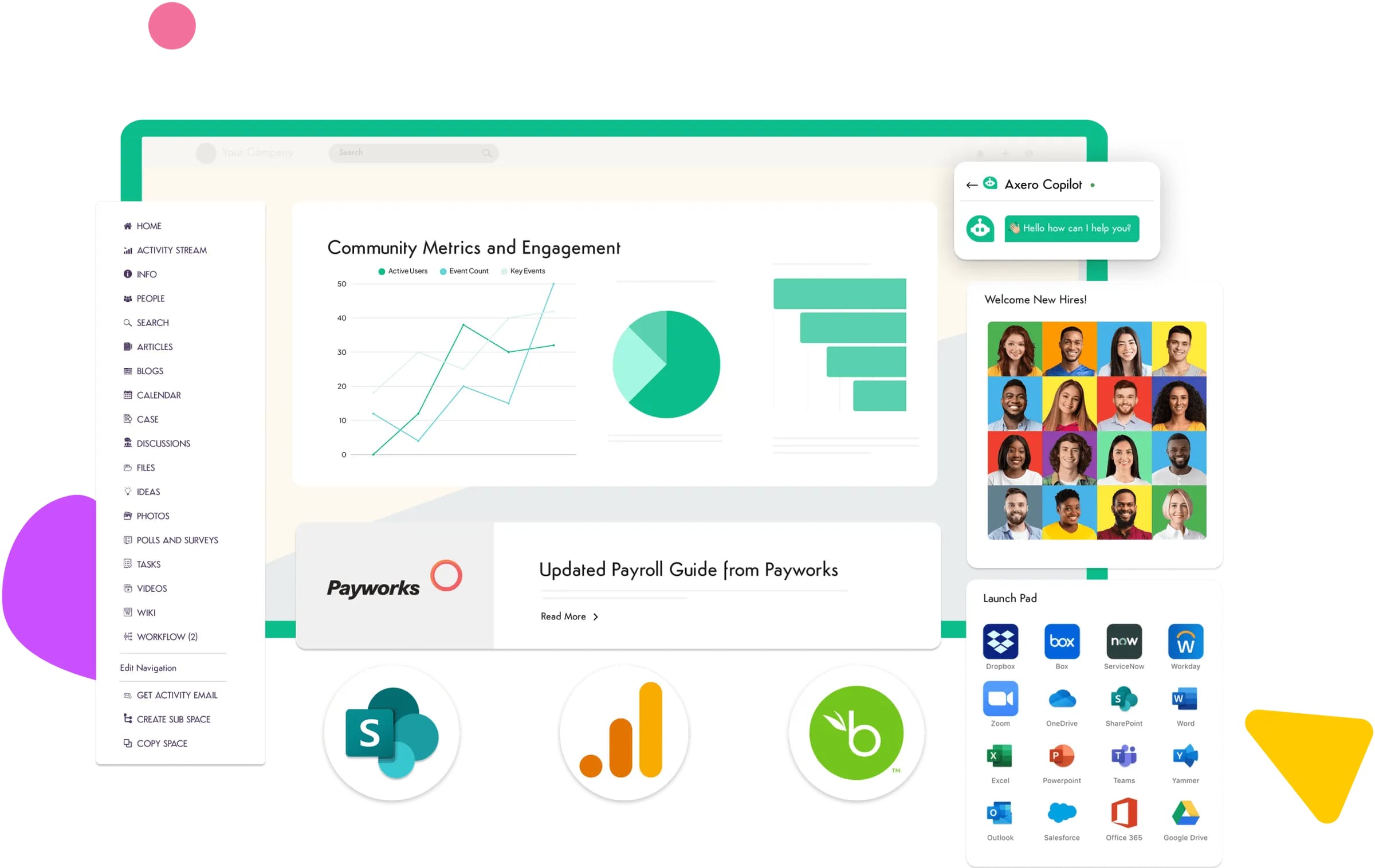
Axero approaches employee communications measurement as part of a fully integrated intranet experience. Measurement lives directly alongside content creation, publishing, and targeting, which allows teams to see performance without switching tools or relying on disconnected reports. You can measure views, reads, engagement patterns, and usage trends across news, pages, and resources. Data updates in real time and breaks down by department, role, and location, giving communicators a clear picture of who engages and where improvements are needed. This helps teams refine messaging quickly and increase relevance without guesswork.
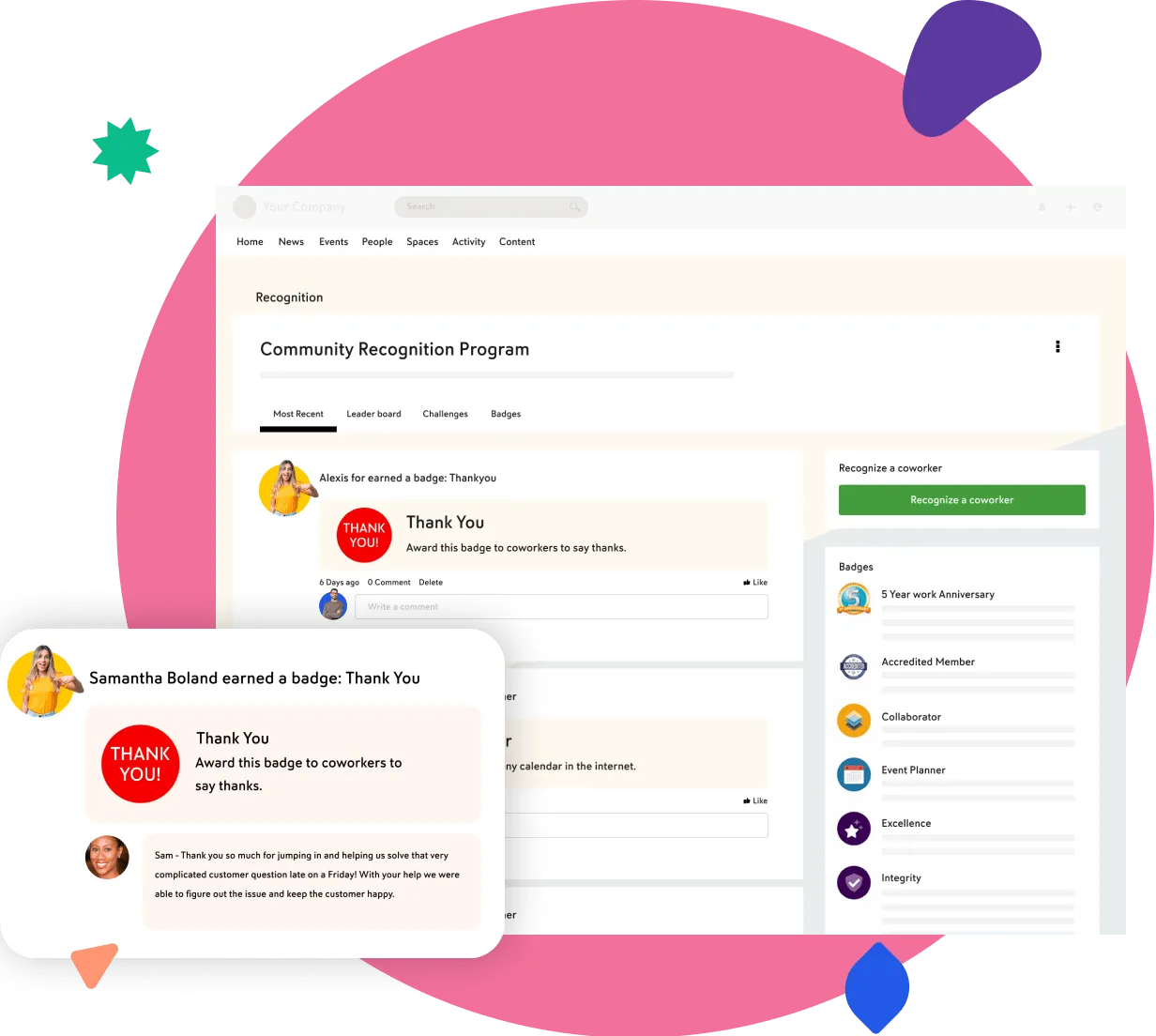
What differentiates Axero is how measurement supports action. Insights feed directly into content decisions, audience targeting, and publishing strategy. Leaders gain visibility into communication effectiveness, while internal teams gain confidence in what works. Axero makes employee communications measurement practical, accessible, and tied to daily work, rather than a retrospective reporting exercise.
Key features of Axero
-
Engagement measurement: Track views, reads, and interactions across all intranet content.
-
Audience-level insight: Analyze engagement by team, role, or location for better targeting.
-
Actionable dashboards: Use clear reporting that informs content and communication decisions.
Best for: Organizations that want communications measurement built directly into their intranet.
2. Poppulo
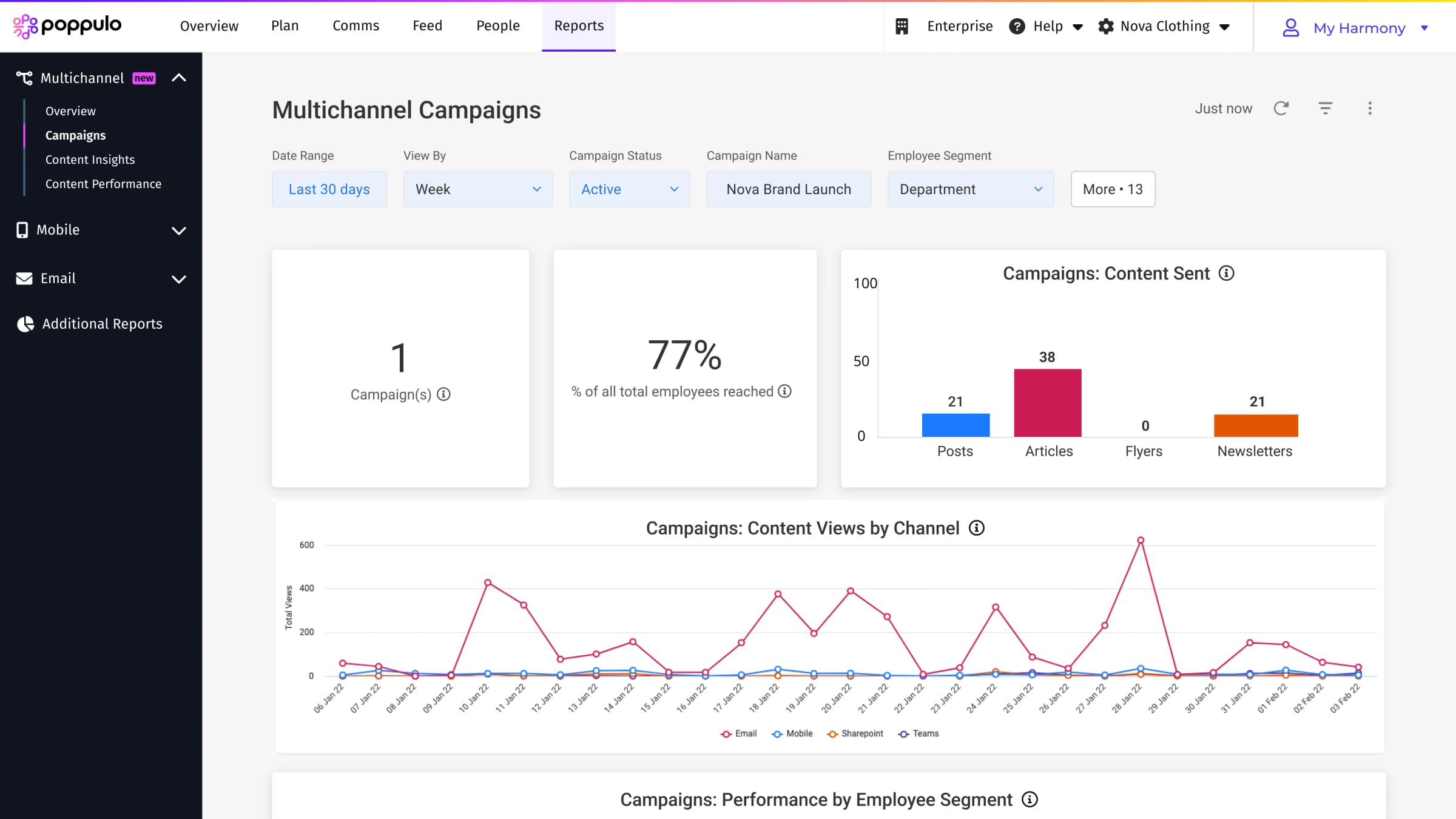
Poppulo is built with measurement at its core, offering structured analytics for employee communications campaigns. Its reporting focuses on reach, engagement, and message effectiveness across multiple channels.
Communications teams can measure performance at the campaign level, compare results over time, and evaluate which channels deliver the strongest engagement. Dashboards are designed for sharing with leadership, making it easier to demonstrate impact and justify communication strategy.
Poppulo excels in environments where communications follow formal planning cycles and require clear reporting. While it operates separately from a traditional intranet, its measurement capabilities remain a major strength.
Key features of Poppulo
-
Campaign analytics: Measure engagement across structured communication initiatives.
-
Channel performance reporting: Compare results across email, mobile, and signage.
-
Leadership-ready dashboards: Share clear performance summaries with stakeholders.
Best for: Large organizations with campaign-driven internal communications.
3. Staffbase
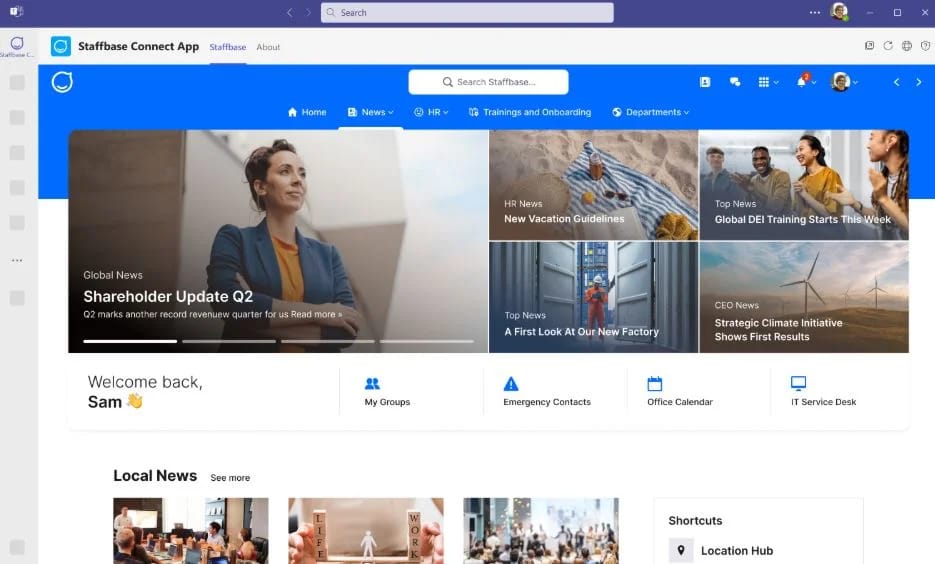
Staffbase provides measurement tools focused on message reach and engagement across email, mobile, and intranet-style channels. Its analytics help teams understand how employees consume updates and where attention drops.
You can track opens, reads, clicks, and interaction trends, then segment results by employee group. This supports better targeting and helps communicators adjust frequency and format based on behavior.
Staffbase’s measurement capabilities work well for organizations with distributed or mobile workforces. While analytics center on communication delivery rather than broader intranet usage, they provide reliable insight for communications-led teams.
Key features of Staffbase
-
Engagement tracking: Measure opens, reads, and clicks across channels.
-
Audience segmentation: Analyze performance by employee group or location.
-
Trend reporting: Identify engagement patterns over time.
Best for: Organizations prioritizing mobile and email communication measurement.
4. Simpplr
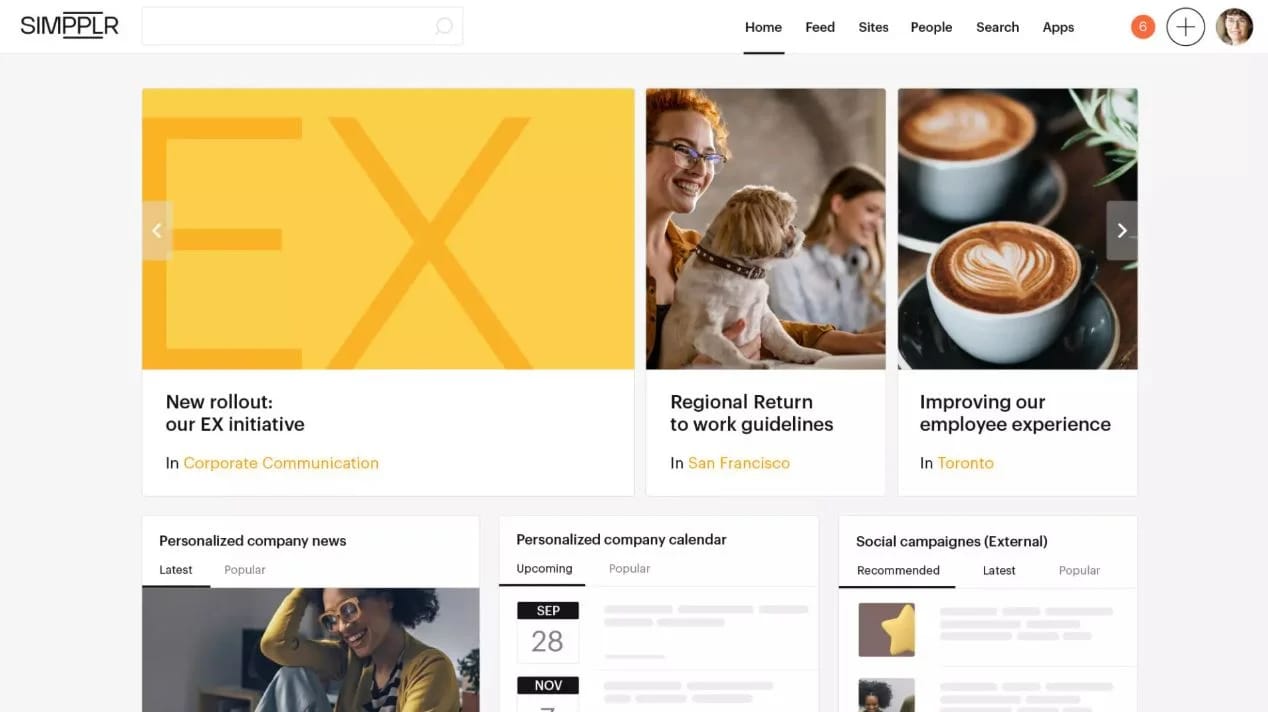
Simpplr includes employee communications measurement within its employee experience platform. Analytics focus on how employees engage with news, posts, and pages across the intranet.
Teams can track views, likes, comments, and shares, then analyze performance by topic or audience. This supports editorial planning and helps communicators identify which content types perform best.
Simpplr’s measurement approach emphasizes content engagement rather than deep behavioral insight. For teams focused on storytelling and internal news, this provides useful direction without heavy complexity.
Key features of Simpplr
-
Content engagement metrics: Track interactions with intranet news and pages.
-
Audience reporting: Understand how different teams engage with content.
-
Performance trends: Identify topics and formats that resonate.
Best for: Communications teams focused on intranet content performance.
5. Firstup
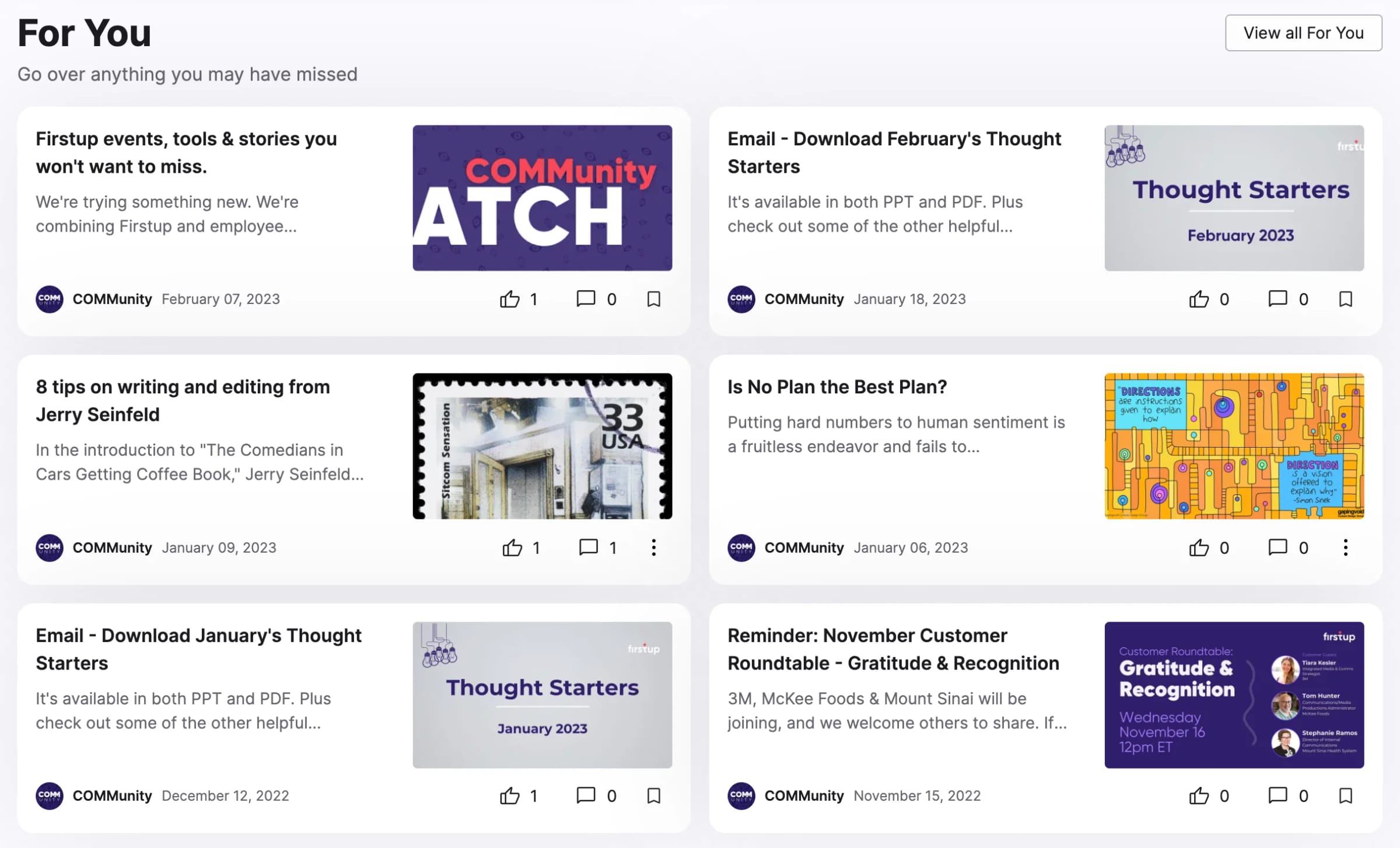
Firstup centers its employee communications measurement on personalization and delivery effectiveness. Its analytics help teams understand not only whether messages were sent, but whether they were seen, engaged with, and acted on by specific employee segments.
You can measure delivery success, opens, interactions, and follow-up behavior across channels. Reporting highlights how different audiences respond to timing, format, and messaging style, which supports continuous optimization. This makes Firstup particularly useful for organizations with complex workforce segments.
Measurement in Firstup feeds directly into orchestration. Insights guide future targeting and help teams refine how messages reach employees. While it does not operate as a full intranet, its measurement capabilities remain strong for communication-led environments.
Key features of Firstup
-
Personalized engagement tracking: Measure response by audience segment.
-
Delivery performance insight: Understand reach and visibility across channels.
-
Optimization reporting: Refine communication strategies using behavioral data.
Best for: Organizations focused on targeted, personalized employee communications.
6. LumApps
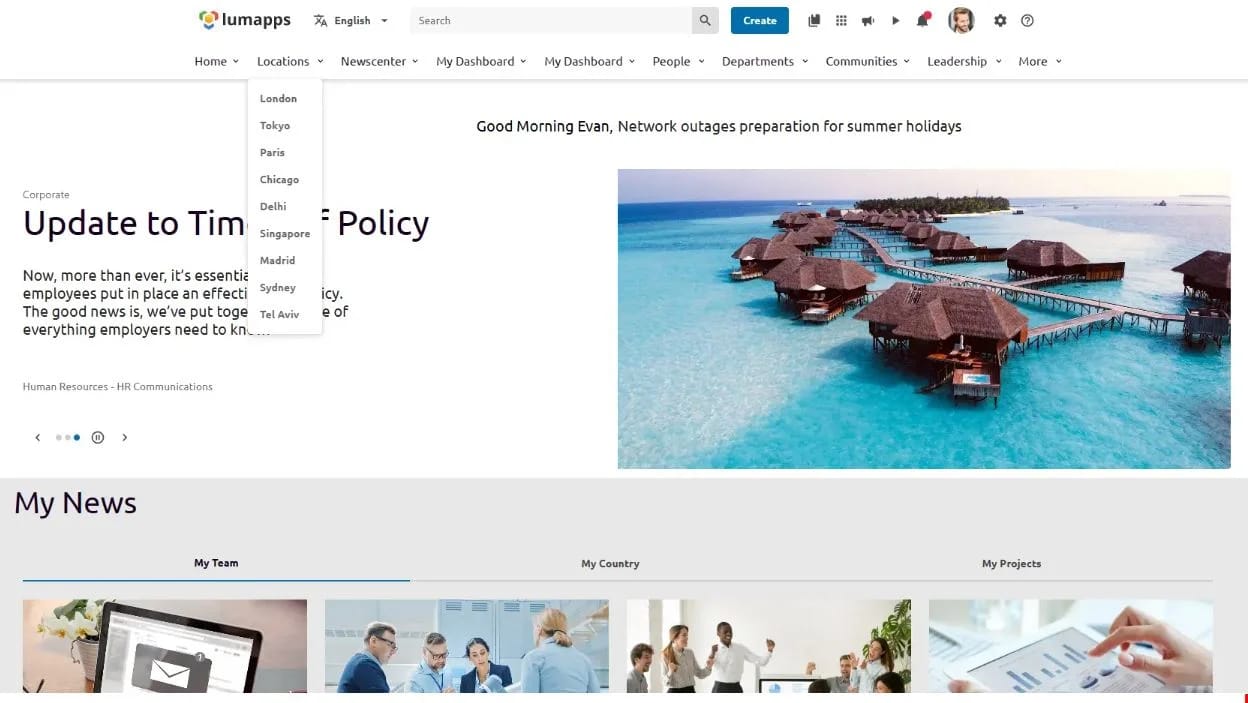
LumApps provides employee communications measurement within its intranet and employee experience platform. Analytics focus on content visibility, engagement, and popularity across pages and news.
Teams can measure views, interactions, and usage by audience segment. Reporting highlights which content employees return to most often, helping communicators refine editorial priorities. This supports steady improvement without overwhelming teams with complex data.
LumApps’ measurement capabilities work best when paired with its broader content management features. While advanced analytics may feel limited, it offers consistent insight for teams already using the platform.
Key features of LumApps
-
Content engagement measurement: Track views and interactions across intranet content.
-
Popularity reporting: Identify high-performing pages and resources.
-
Audience insight: Understand engagement across teams and roles.
Best for: Organizations using LumApps as their central communication hub.
7. Unily
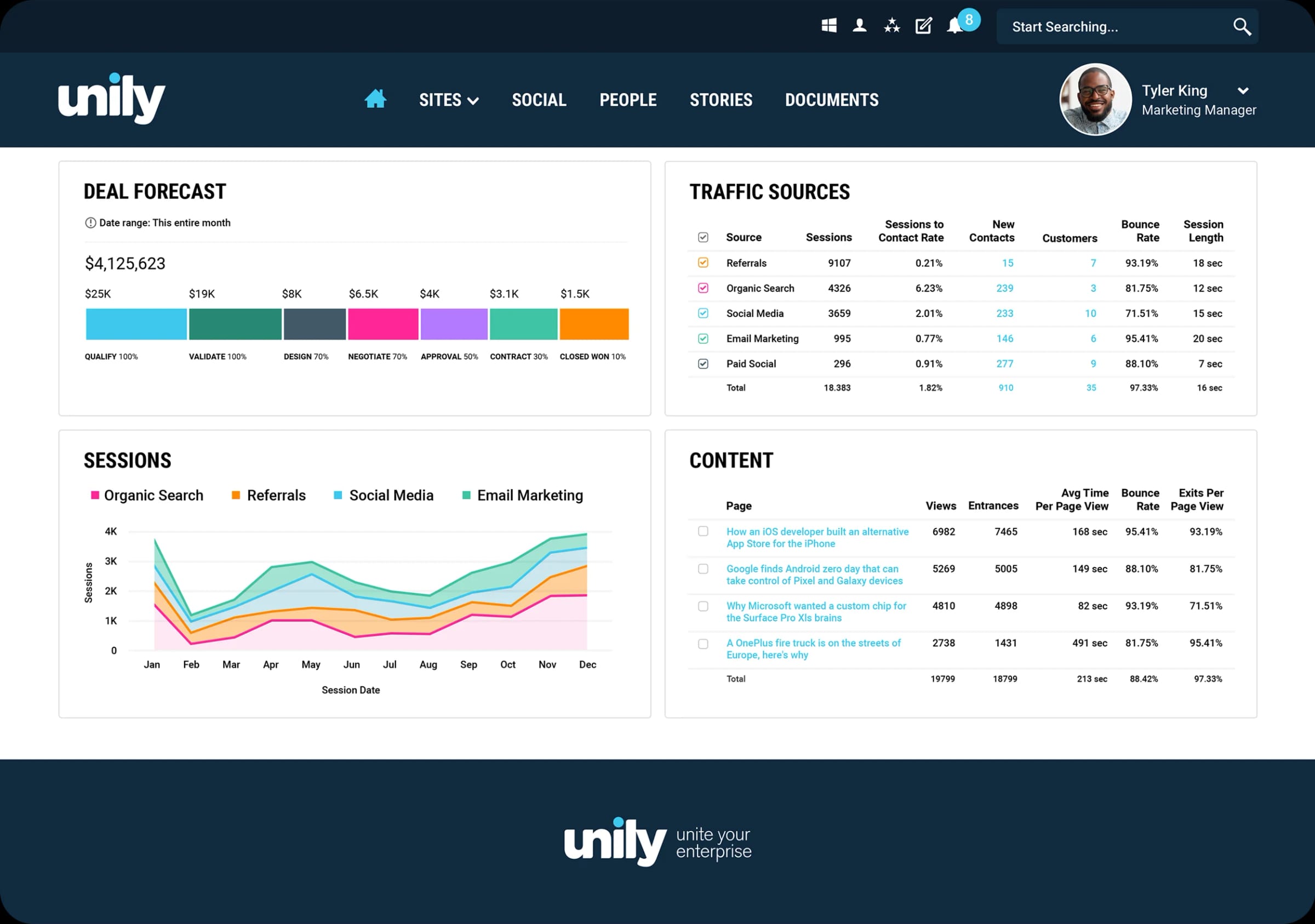
Unily delivers employee communications measurement designed for enterprise environments. Its analytics focus on adoption, engagement, and performance across large, distributed audiences.
Dashboards surface trends by department, region, and role, supporting governance and leadership reporting. Teams can evaluate how campaigns and content perform at scale, which helps maintain consistency across complex organizations.
Unily’s measurement capabilities require more structure but support deeper oversight. For organizations with mature communications functions, this approach aligns well with reporting and compliance needs.
Key features of Unily
-
Enterprise dashboards: Monitor engagement and adoption across large audiences.
-
Segmented reporting: Analyze performance by region or department.
-
Structured analytics: Support governance and leadership visibility.
Best for: Large enterprises with formal communications operations.
8. Workvivo
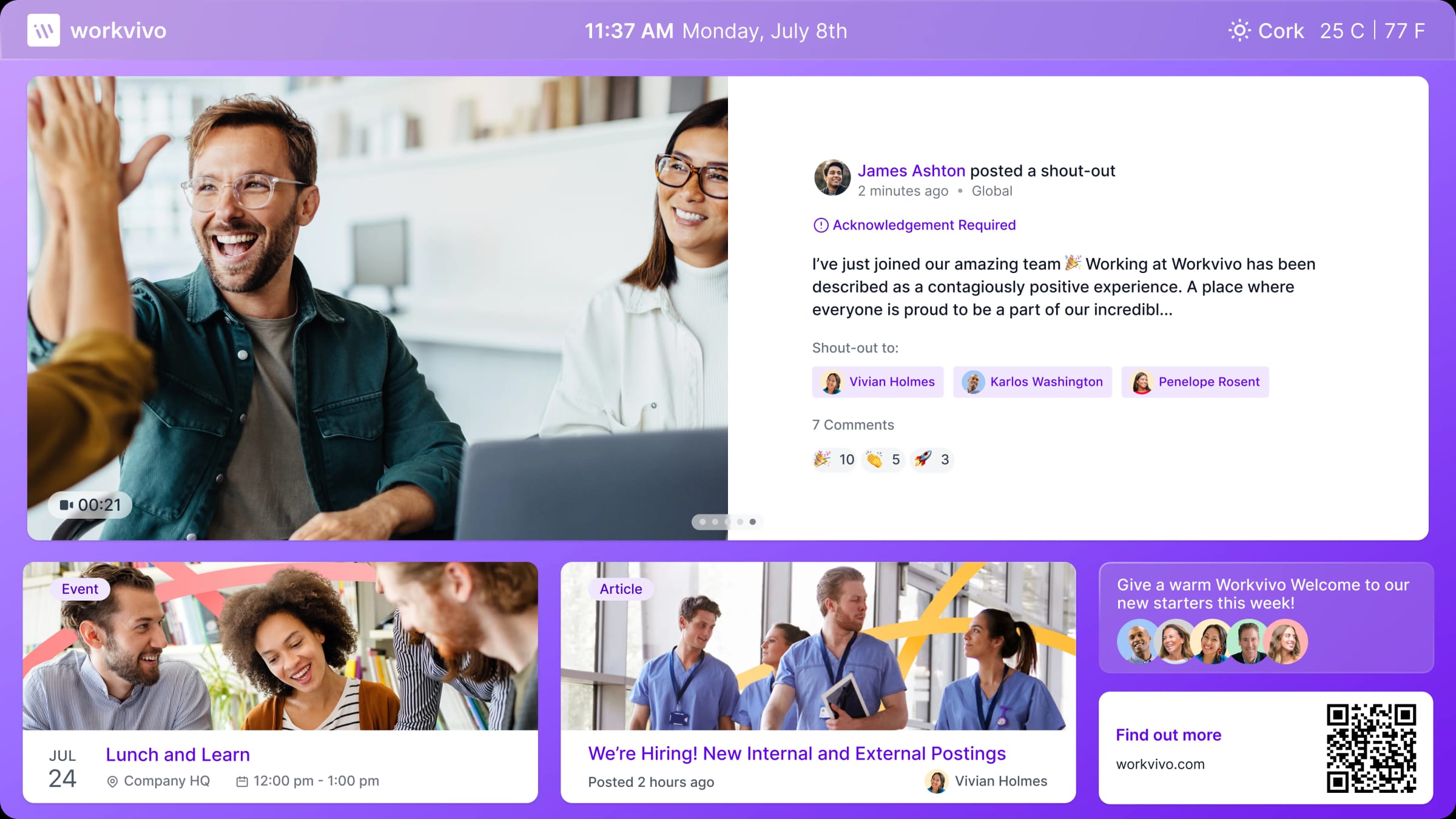
Workvivo measures employee communications through interaction and participation. Analytics emphasize reactions, comments, and activity levels rather than pure delivery metrics.
This approach helps teams understand which messages spark conversation and how leadership communication performs. Trend reporting highlights changes in engagement over time, supporting culture and connection initiatives.
Workvivo’s measurement style suits organizations that value dialogue and social interaction as part of internal communications. While it may not meet formal reporting needs, it provides meaningful insight into engagement quality.
Key features of Workvivo
-
Interaction-based metrics: Track reactions and comments across posts.
-
Engagement trends: Monitor participation levels over time.
-
Leader visibility: Measure how leadership content performs.
Best for: Organizations measuring engagement through social interaction.
9. Jostle
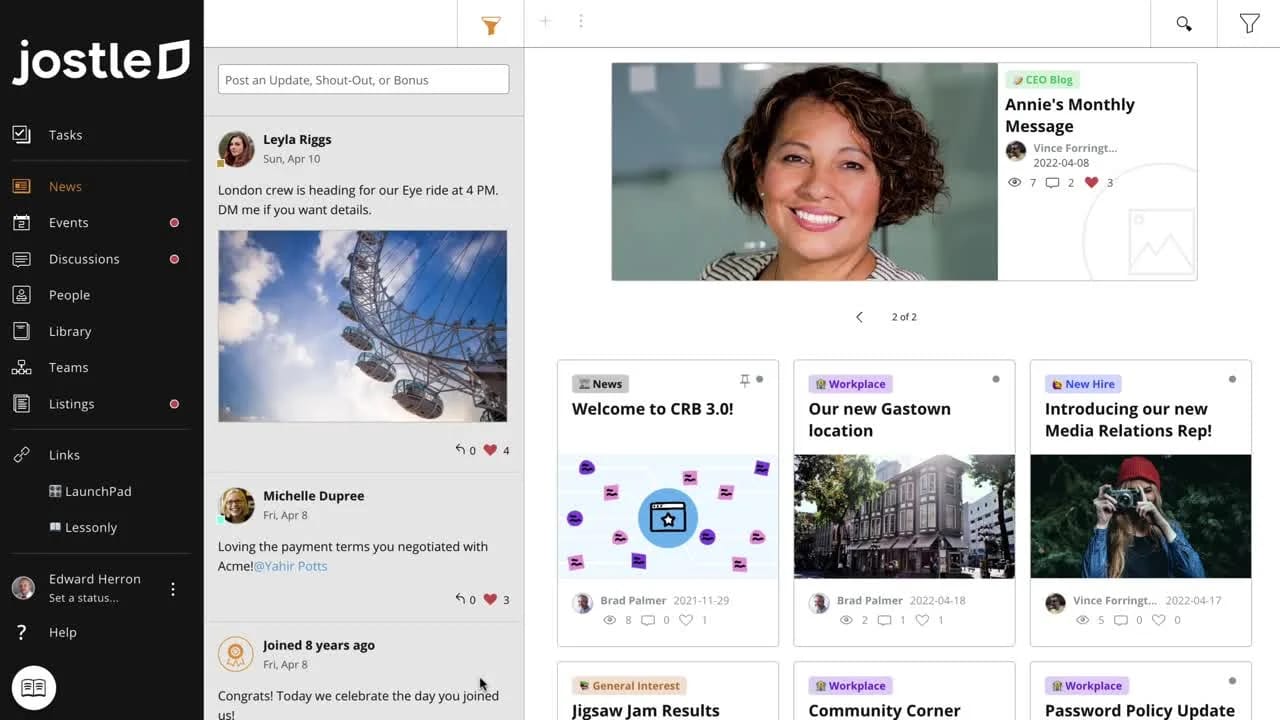
Jostle offers employee communications measurement focused on adoption, consistency, and reach. Its analytics help teams understand whether employees regularly see and engage with key updates rather than measuring one-off performance spikes.
Reporting highlights views, participation, and frequency of use across announcements and content areas. This gives communicators a clear sense of whether communications form part of employees’ daily routines. The data stays simple and easy to interpret, which supports steady improvement.
Jostle’s measurement tools prioritize clarity over depth. While advanced segmentation is limited, the platform provides dependable insight for teams that want to keep communications visible and consistent without heavy reporting overhead.
Key features of Jostle
-
Reach measurement: Track views and participation across announcements.
-
Adoption insight: Monitor how consistently employees engage over time.
-
Simple dashboards: Keep reporting accessible for small teams.
Best for: Organizations that value straightforward communication measurement.
10. Haiilo
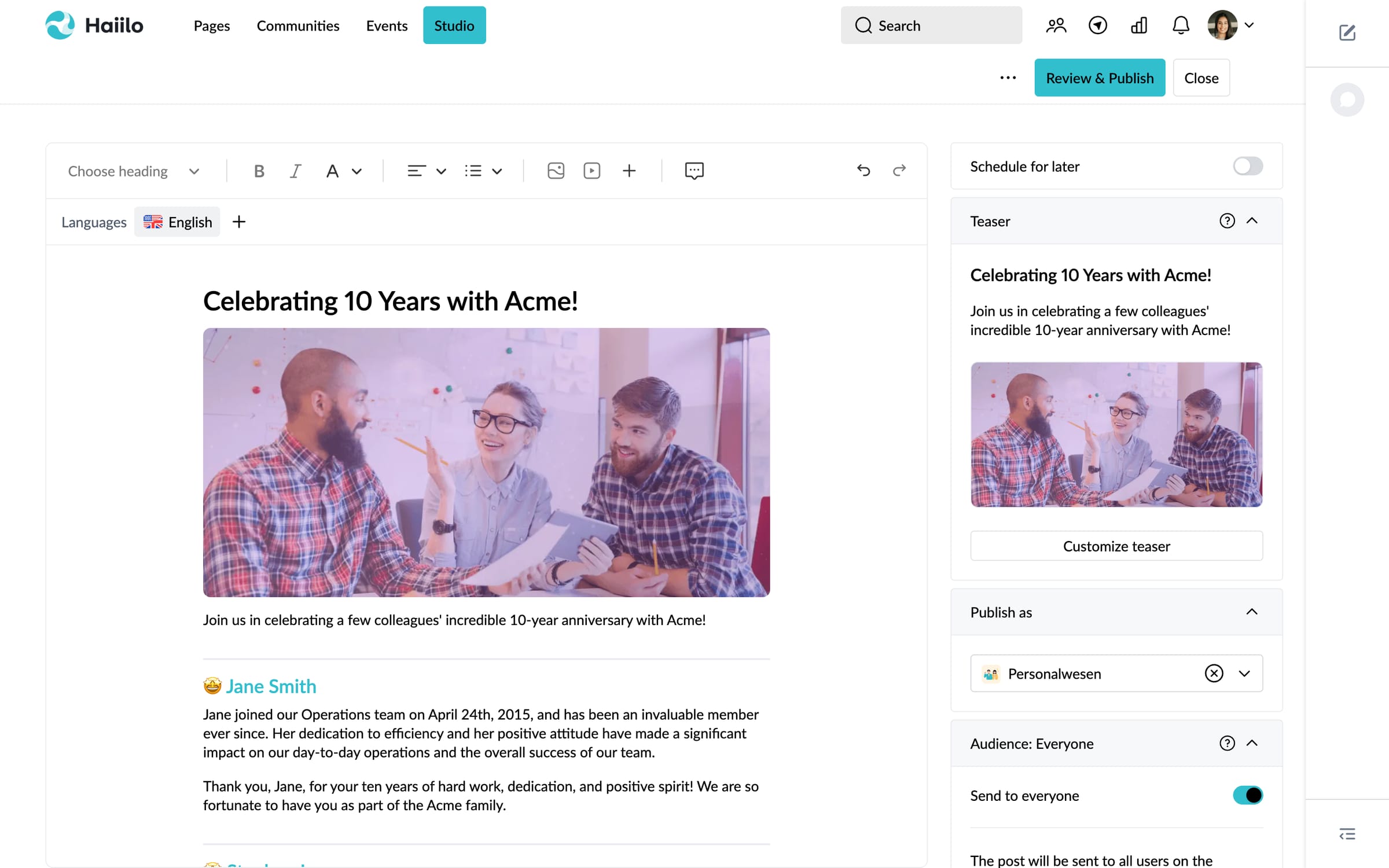
Haiilo combines employee communications measurement with advocacy and campaign reporting. Its analytics track engagement across internal posts, campaigns, and employee-driven sharing initiatives.
Teams can measure reach, interactions, and participation rates, then evaluate how structured campaigns perform over time. This supports organizations that want clear visibility into communications impact beyond basic engagement metrics.
Haiilo’s measurement tools suit teams that rely on planned initiatives and reporting cycles. While broader than internal communications alone, the platform delivers relevant insight for measuring employee involvement and message effectiveness.
Key features of Haiilo
-
Campaign-level measurement: Track engagement across planned communications.
-
Participation reporting: Measure employee involvement in initiatives.
-
Performance dashboards: Support evaluation and planning.
Best for: Organizations linking employee communications with advocacy programs.
11. Blink
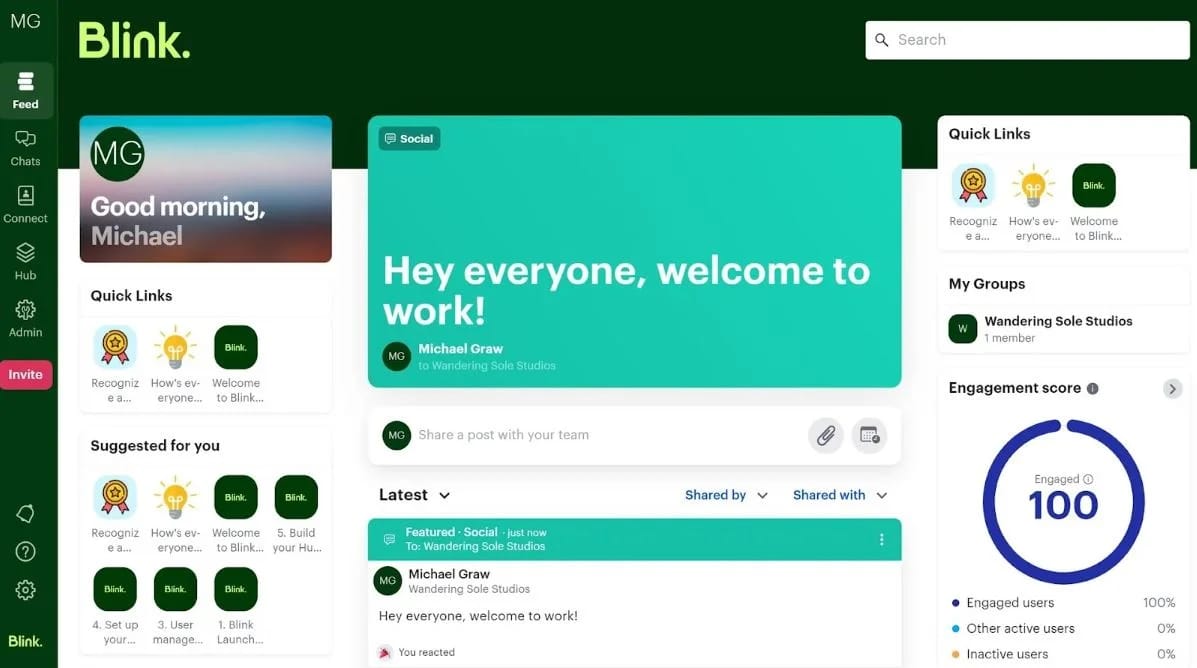
Blink focuses its employee communications measurement on frontline and deskless workers. Analytics show whether critical messages reach employees who do not sit at a desk and how they engage via mobile devices.
Reporting tracks reads, actions, and engagement by location or role. This helps organizations identify communication gaps and adjust delivery for operational teams. Measurement stays practical and tied to real usage patterns.
Blink’s analytics deliver value where traditional tools often fall short. For organizations with large frontline populations, this focus supports clearer, more reliable communication.
Key features of Blink
-
Frontline engagement tracking: Measure reads and actions from deskless staff.
-
Location-based insight: Compare engagement across sites.
-
Mobile reporting: Optimize delivery for frontline communication.
Best for: Organizations with frontline or deskless workforces.
12. ContactMonkey
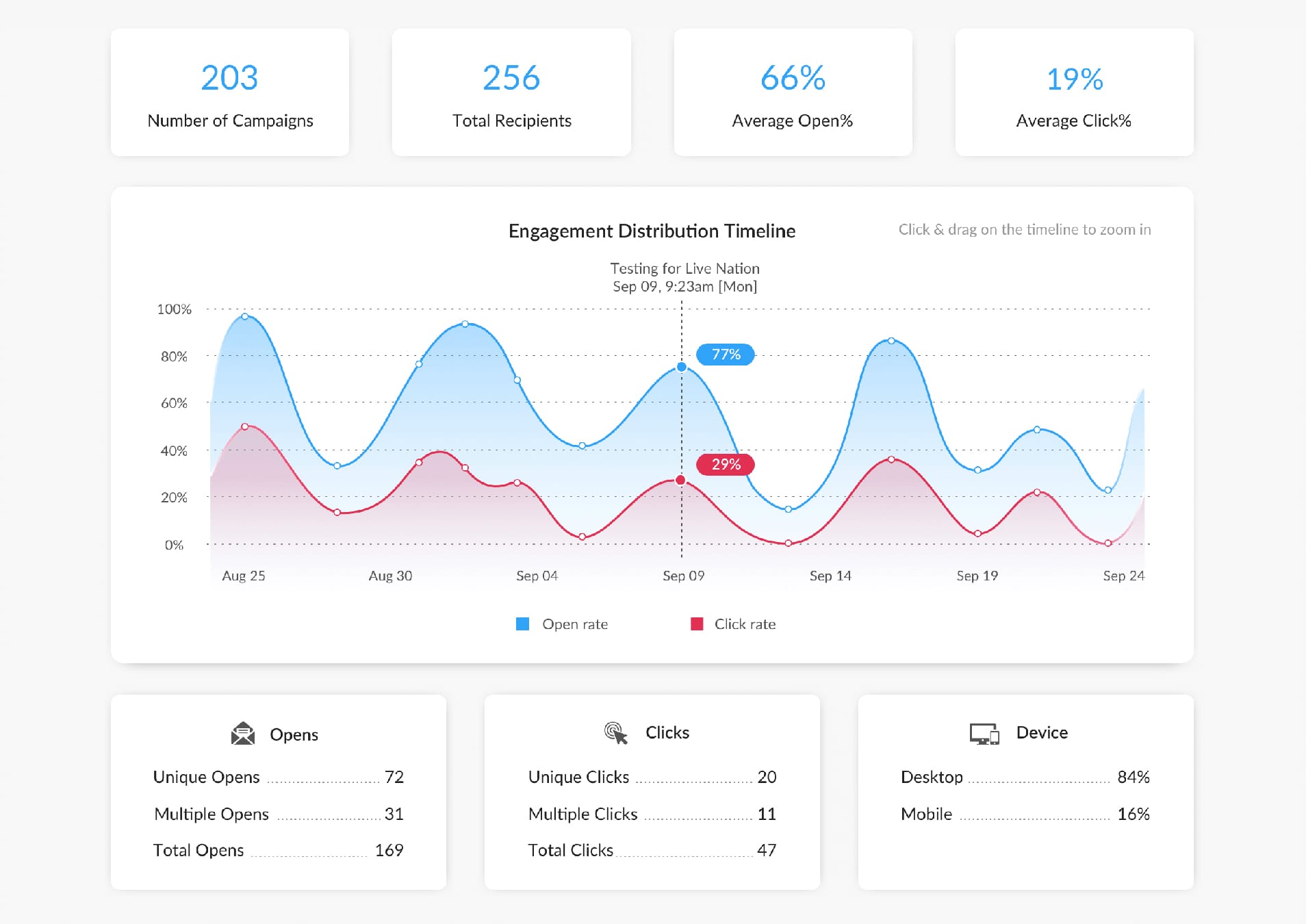
ContactMonkey measures employee communications primarily through email analytics. Its reporting focuses on open rates, read time, clicks, and engagement trends for internal email campaigns.
Communicators gain visibility into how employees interact with emails and which messages drive action. This helps teams improve subject lines, timing, and content structure. Measurement integrates with existing email workflows, reducing friction.
While ContactMonkey does not cover broader intranet communication, it provides strong insight for organizations where email remains a primary channel.
Key features of ContactMonkey
-
Email engagement analytics: Track opens, read time, and clicks.
-
Campaign reporting: Compare performance across internal email sends.
-
Optimization insight: Improve email effectiveness using behavioral data.
Best for: Organizations relying heavily on internal email communications.
Choosing the right employee communications measurement tool
Employee communications measurement works best when insight leads to improvement. Tools should help you understand employee behavior, refine messaging, and demonstrate value without adding complexity.
Platforms that separate measurement from execution often slow teams down. Axero addresses this by embedding measurement directly into the intranet experience, allowing communicators to measure, adjust, and publish from one place.
For HR teams, leaders, and internal communicators, this connection builds confidence and accountability. Clear insight supports better decisions and stronger alignment across the organization.
If you want employee communications measurement that actually improves outcomes, book a demo with Axero and see how integrated insight supports better communication.