Internal business systems form the backbone of how organizations operate. They support everything from communication and knowledge sharing to workflow execution, reporting, and decision-making. When these systems work well together, teams move faster, stay aligned, and spend less time navigating friction.
Many organizations grow their internal systems organically. One tool handles documents. Another manages requests. Another supports communication. Over time, this creates fragmentation. Employees waste time searching for information, duplicating work, or relying on informal processes that introduce risk and inconsistency.
Modern internal business systems aim to reverse this pattern. They centralize critical information, standardize how work gets done, and provide visibility across departments. Instead of operating in silos, teams share context, processes, and data through connected platforms.
The challenge is not access to technology. It is choosing systems that people actually use and that scale with the organization. Internal business systems should reduce complexity, not add to it. They should support governance while remaining intuitive for everyday users.
Below, we define what internal business systems are, what to consider when selecting them, and the platforms that best support efficient, connected operations.
Top 10 internal business systems for 2026
- Axero
- Microsoft SharePoint
- ServiceNow
- SAP Business Technology Platform
- Oracle NetSuite
- Workday
- Confluence
- Salesforce Platform
- Zoho One
- Notion
What are internal business systems?
Internal business systems are software platforms that support the core internal functions of an organization. These systems enable employees to communicate, collaborate, manage information, execute workflows, and access the tools they need to do their jobs.
Unlike customer-facing systems, internal business systems focus on operational efficiency and alignment. They often include intranets, enterprise resource planning platforms, human capital management systems, workflow automation tools, and internal knowledge bases.
The primary goal is consistency. Internal business systems provide structure around how information is shared, how decisions are documented, and how tasks move from request to completion. This reduces reliance on informal channels and tribal knowledge.
Strong internal systems integrate with one another, creating a connected environment where data flows naturally between tools. This allows leaders to maintain visibility while employees experience fewer interruptions and clearer expectations.
What to consider when choosing the right internal business systems
Selecting internal business systems requires a balance between control, usability, and scalability. The right choices support daily work while preparing the organization for growth.
Centralization and access
Look for systems that reduce fragmentation by acting as a single source of truth for information, processes, and updates. Clear access controls are essential for governance.
Integration across systems
Internal systems should connect easily with one another. Seamless integrations reduce duplicate work and improve data consistency.
Ease of use and adoption
If systems are difficult to navigate, employees will avoid them. Intuitive design and minimal training requirements support long-term adoption.
Governance and security
Internal systems must support permissions, auditing, and compliance without slowing teams down.
Scalability
Choose platforms that can adapt as teams grow, processes evolve, and requirements become more complex.
10 best internal business systems
1. Axero
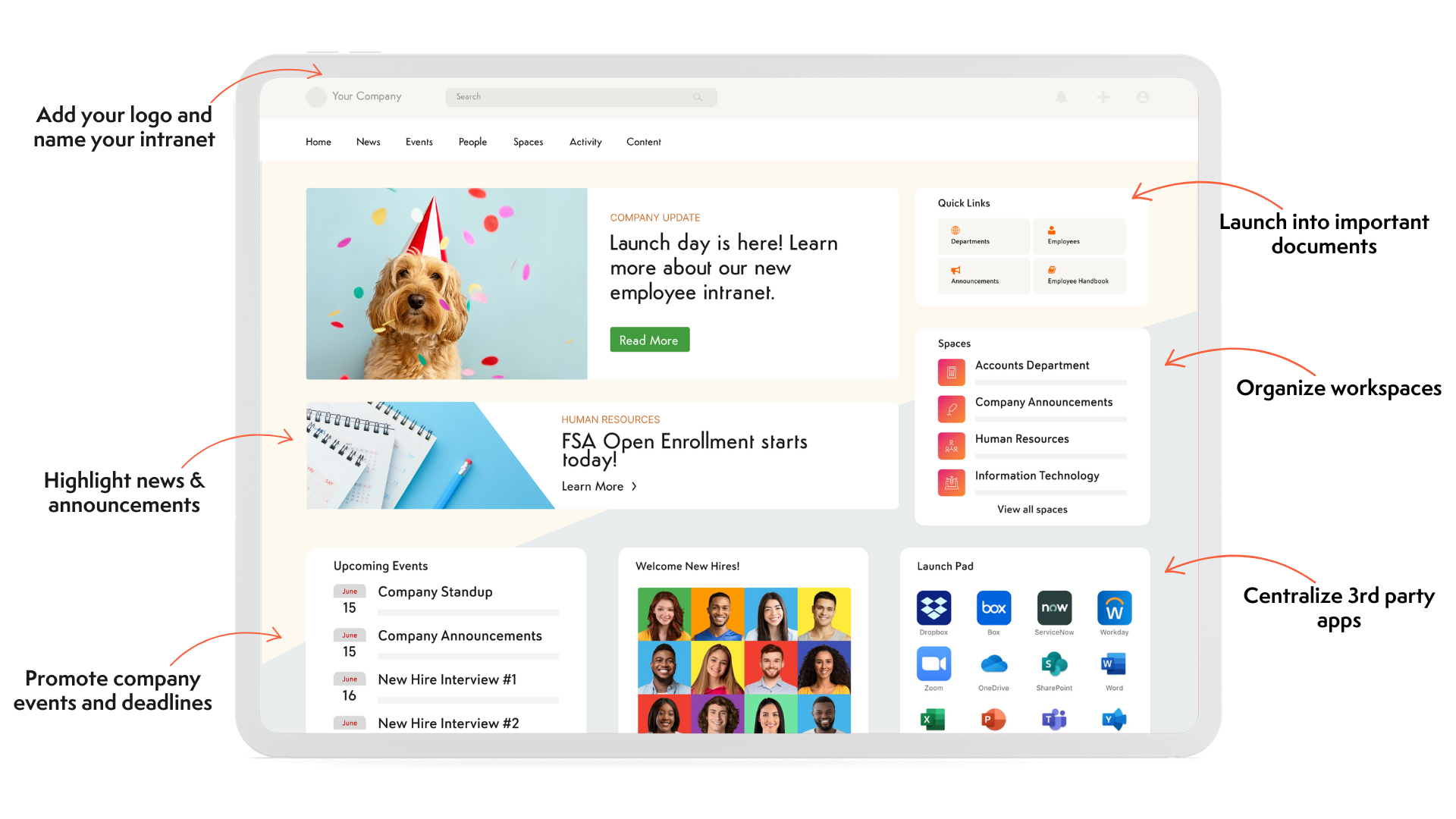
Axero is a centralized intranet platform designed to bring internal business systems together into one governed, user-friendly hub. It helps organizations streamline communication, standardize processes, and make information easy to find and use.
With Axero, teams can manage internal communication, document processes, publish policies, and support structured workflows in a single platform. This reduces reliance on disconnected tools and informal channels that slow operations and create risk.

Axero supports governance through role-based access, version control, and analytics. Leaders gain visibility into engagement and usage, while employees benefit from a clear, consistent experience. The platform integrates with common business systems, allowing it to sit at the center of the internal ecosystem.
By focusing on usability and structure, Axero helps organizations create internal systems that scale without increasing complexity.
Key features of Axero
- Centralized intranet hub: Connects communication, knowledge, and workflows.
- Governance and permissions: Supports control without friction.
- Analytics and insights: Improves visibility into usage and adoption.
Best for: Organizations that want a single platform to unify internal systems and communication.

2. Microsoft SharePoint

Microsoft SharePoint is a widely used platform for document management, collaboration, and internal sites. It is often part of a broader Microsoft 365 environment.
SharePoint allows teams to store files, create internal portals, and collaborate on documents. Integration with Microsoft tools makes it familiar for many users.
The platform offers strong customization and security but often requires configuration and ongoing management to meet specific business needs.
Key features of Microsoft SharePoint
- Document management: Centralizes files and version control.
- Collaboration tools: Supports team sites and shared workspaces.
- Microsoft ecosystem integration: Works closely with Microsoft 365.
Best for: Organizations already invested in Microsoft tools.
3. ServiceNow
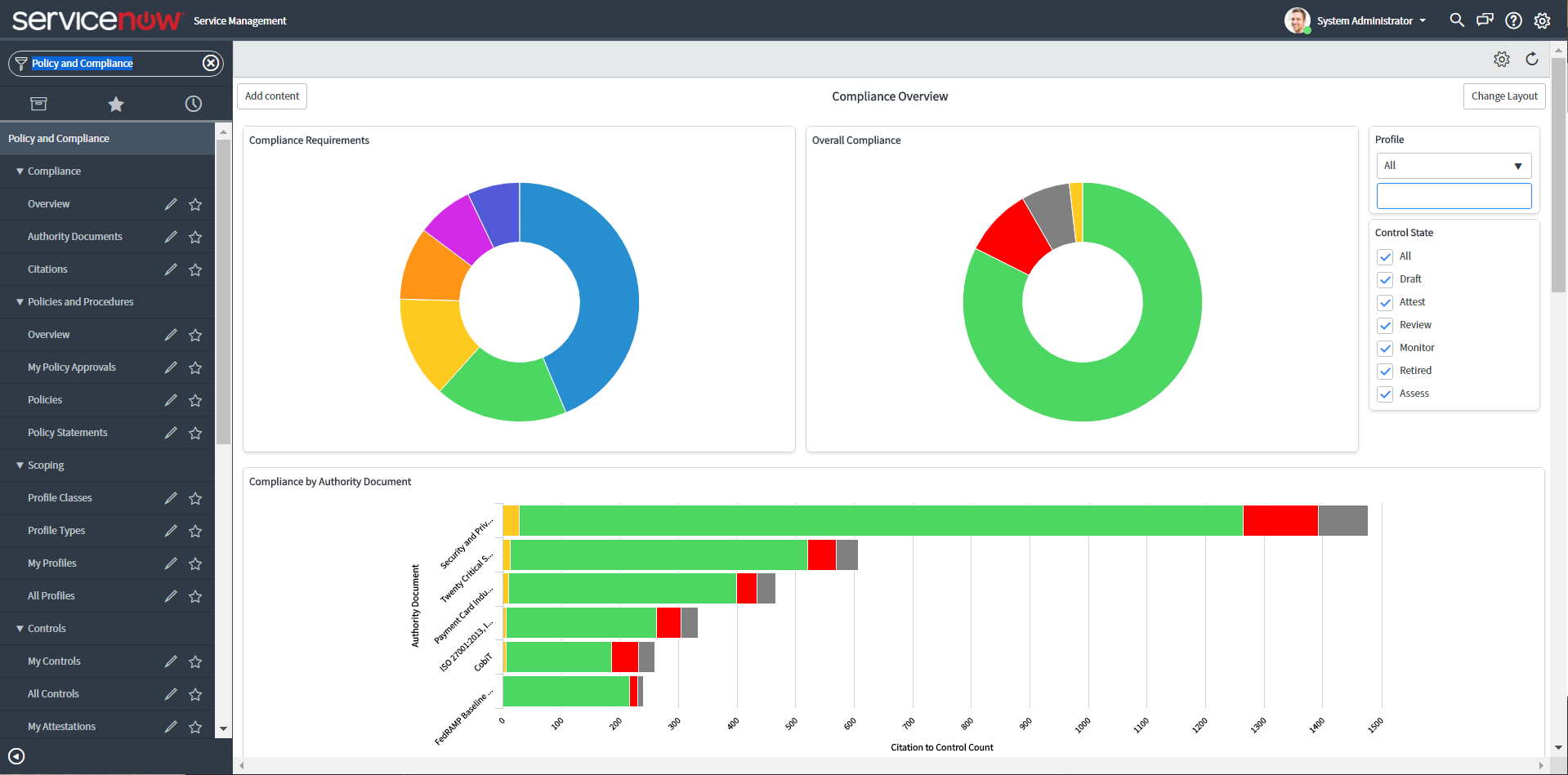
ServiceNow is an enterprise platform focused on workflow automation and service management. It supports IT, HR, facilities, and other internal services.
Internal teams use ServiceNow to standardize requests, approvals, and issue tracking. This improves consistency and accountability across operations.
ServiceNow provides powerful automation and reporting but typically requires dedicated resources to configure and maintain.
Key features of ServiceNow
- Workflow automation: Standardizes internal processes.
- Service management: Supports IT and enterprise services.
- Reporting and dashboards: Improves operational visibility.
Best for: Large organizations with complex internal workflows.
4. SAP Business Technology Platform

SAP Business Technology Platform (BTP) is a foundational system used to connect, extend, and integrate SAP applications across the enterprise. It supports data management, analytics, integration, and application development in one environment.
For internal operations, SAP BTP helps organizations unify business data and standardize processes across finance, supply chain, HR, and operations. Teams use it to build extensions, automate workflows, and connect SAP systems with third-party tools.
The platform provides strong governance, security, and scalability, making it suitable for complex environments. However, its depth often requires specialized expertise and a mature IT function to manage effectively.
Key features of SAP Business Technology Platform
- Data and analytics services: Centralizes and analyzes enterprise data.
- Integration capabilities: Connects SAP and non-SAP systems.
- Enterprise governance: Supports security and compliance at scale.
Best for: Large enterprises running SAP as a core system.
5. Oracle NetSuite
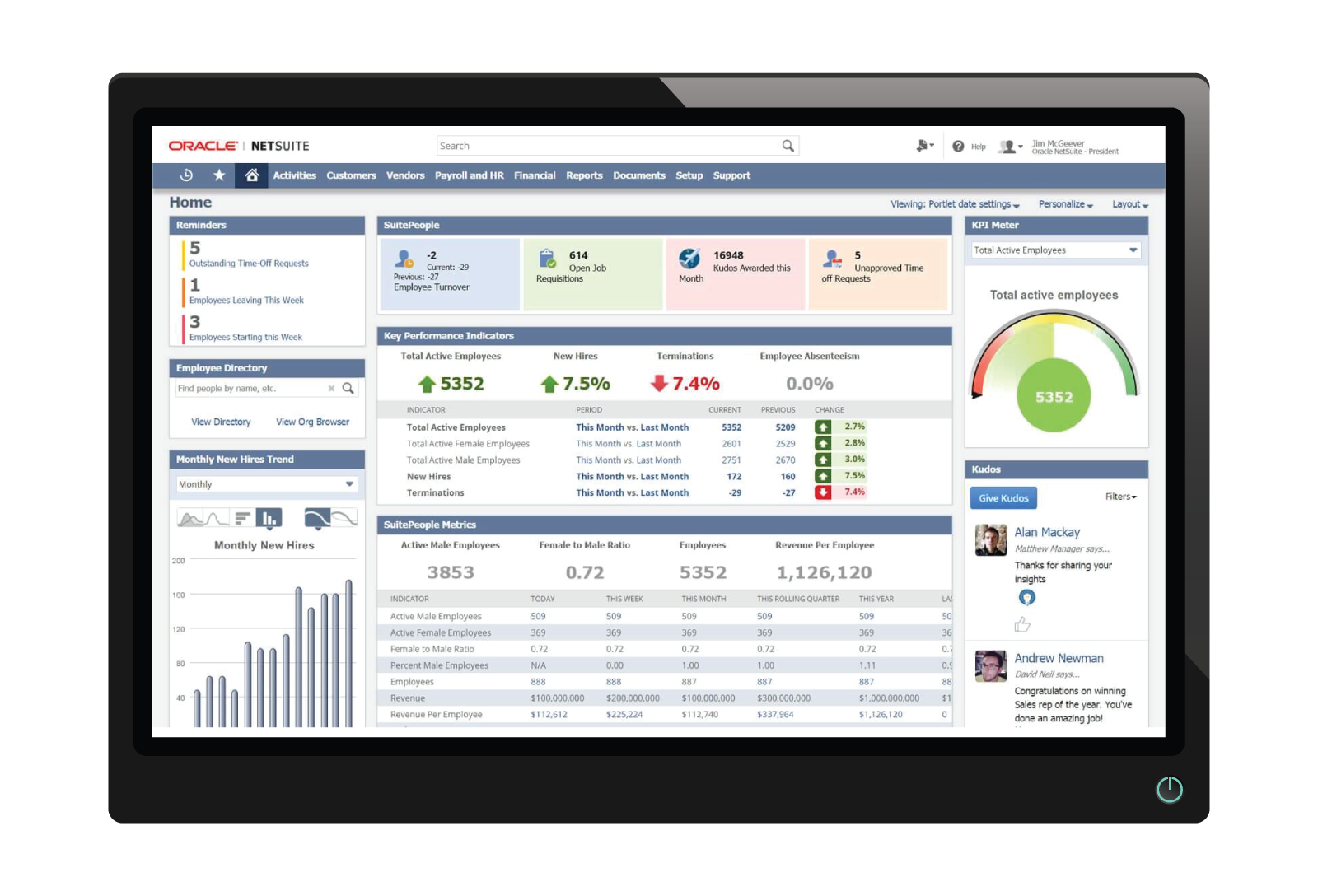
Oracle NetSuite is a cloud-based ERP system that supports finance, operations, and business management in a single platform. It is commonly used by growing and mid-sized organizations.
NetSuite centralizes financials, procurement, inventory, and reporting, giving leaders a unified view of business performance. Internal teams benefit from standardized processes and real-time data.
The platform supports customization and scalability but requires careful implementation to align with business needs.
Key features of Oracle NetSuite
- Unified ERP: Connects finance and operations.
- Real-time reporting: Improves visibility and decision-making.
- Scalable architecture: Grows with the organization.
Best for: Organizations seeking a cloud-based ERP foundation.
6. Workday

Workday is a human capital management and financial management platform used to support core internal operations. It is widely adopted for HR, payroll, and workforce planning.
Workday centralizes employee data, processes, and reporting. Internal teams use it to manage hiring, performance, compensation, and compliance in a structured way.
The platform offers strong analytics and governance, though it is typically part of a broader ecosystem rather than a standalone internal hub.
Key features of Workday
- Human capital management: Manages employee lifecycle processes.
- Workforce analytics: Supports planning and insight.
- Enterprise security: Protects sensitive internal data.
Best for: Organizations prioritizing structured HR and workforce systems.
7. Confluence

Confluence is a knowledge management and collaboration platform designed to help teams document and share internal information. It is often used alongside Jira and other Atlassian tools.
Internal teams use Confluence to document processes, policies, and project information. Versioning and permissions support governance and accuracy.
Confluence works best as part of a broader internal system strategy, especially when paired with a centralized intranet like Axero.
Key features of Confluence
- Knowledge documentation: Centralizes internal content.
- Templates and version control: Maintains consistency.
- Atlassian integrations: Connects documentation to work tracking.
Best for: Teams focused on documentation and knowledge sharing.
8. Salesforce Platform
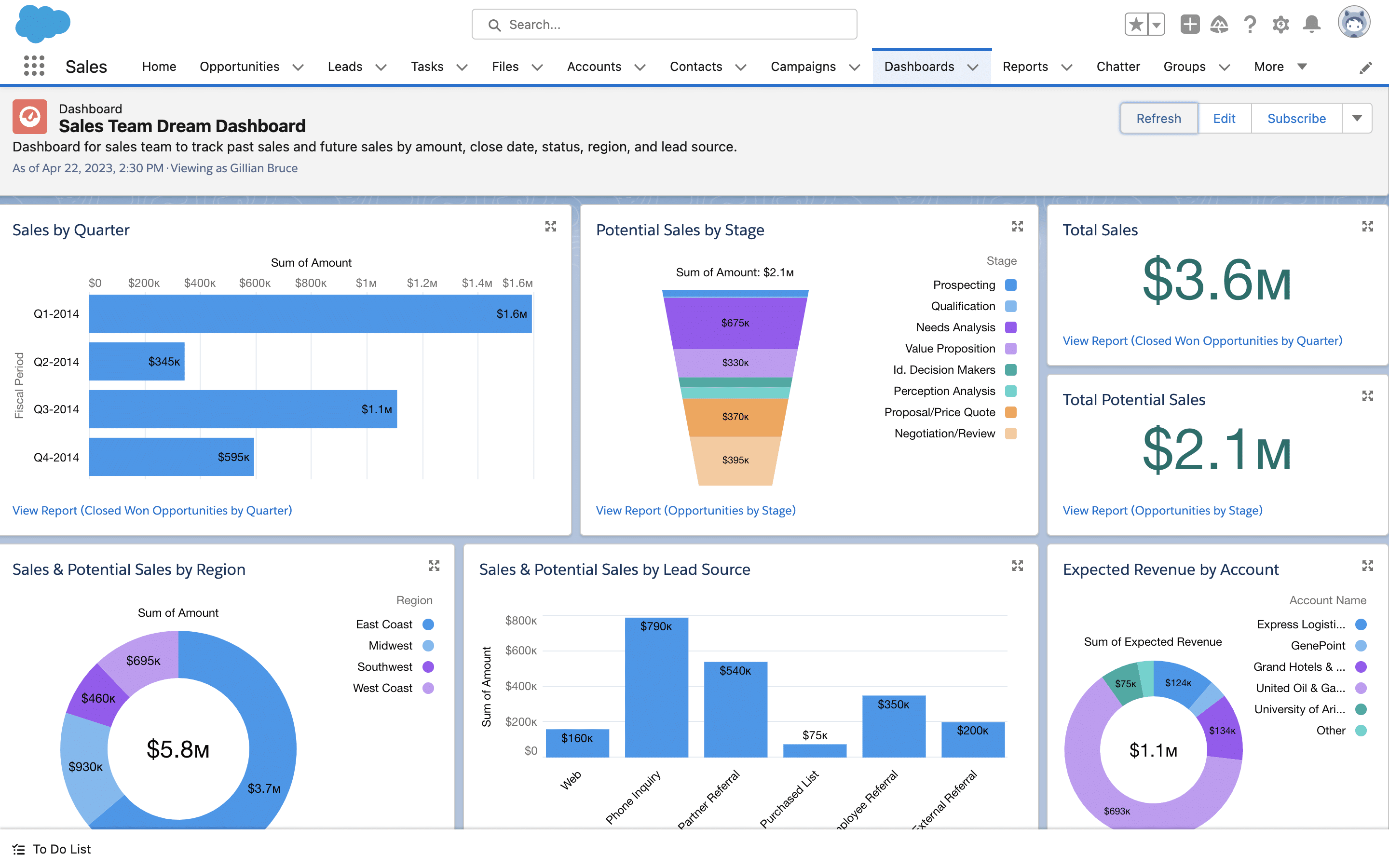
The Salesforce Platform extends beyond CRM to support internal business systems through automation, custom applications, and data integration. Many organizations use it to manage internal workflows alongside customer-facing processes.
Internal teams build custom apps on Salesforce to handle approvals, case management, internal requests, and reporting. This flexibility allows organizations to standardize processes without introducing separate systems.
Salesforce offers strong security, role-based access, and analytics. However, it often requires technical expertise or partners to configure and maintain internal solutions effectively.
Key features of Salesforce Platform
- Custom application development: Supports internal workflows and tools.
- Automation and logic: Standardizes approvals and processes.
- Reporting and analytics: Provides visibility into operations.
Best for: Organizations already using Salesforce that want to extend it internally.
9. Zoho One

Zoho One is an all-in-one business suite that combines multiple internal systems under a single subscription. It includes tools for HR, finance, collaboration, support, and analytics.
Internal teams use Zoho One to reduce tool sprawl and centralize everyday operations. The platform provides basic coverage across many functions, making it attractive for smaller or growing organizations.
While broad in scope, Zoho One may lack the depth of specialized enterprise systems. Clear governance is needed to ensure consistency as usage expands.
Key features of Zoho One
- Integrated business apps: Covers multiple internal functions.
- Unified administration: Simplifies management and access.
- Cost efficiency: Reduces reliance on multiple vendors.
Best for: Small to mid-sized organizations seeking an all-in-one internal system.
10. Notion
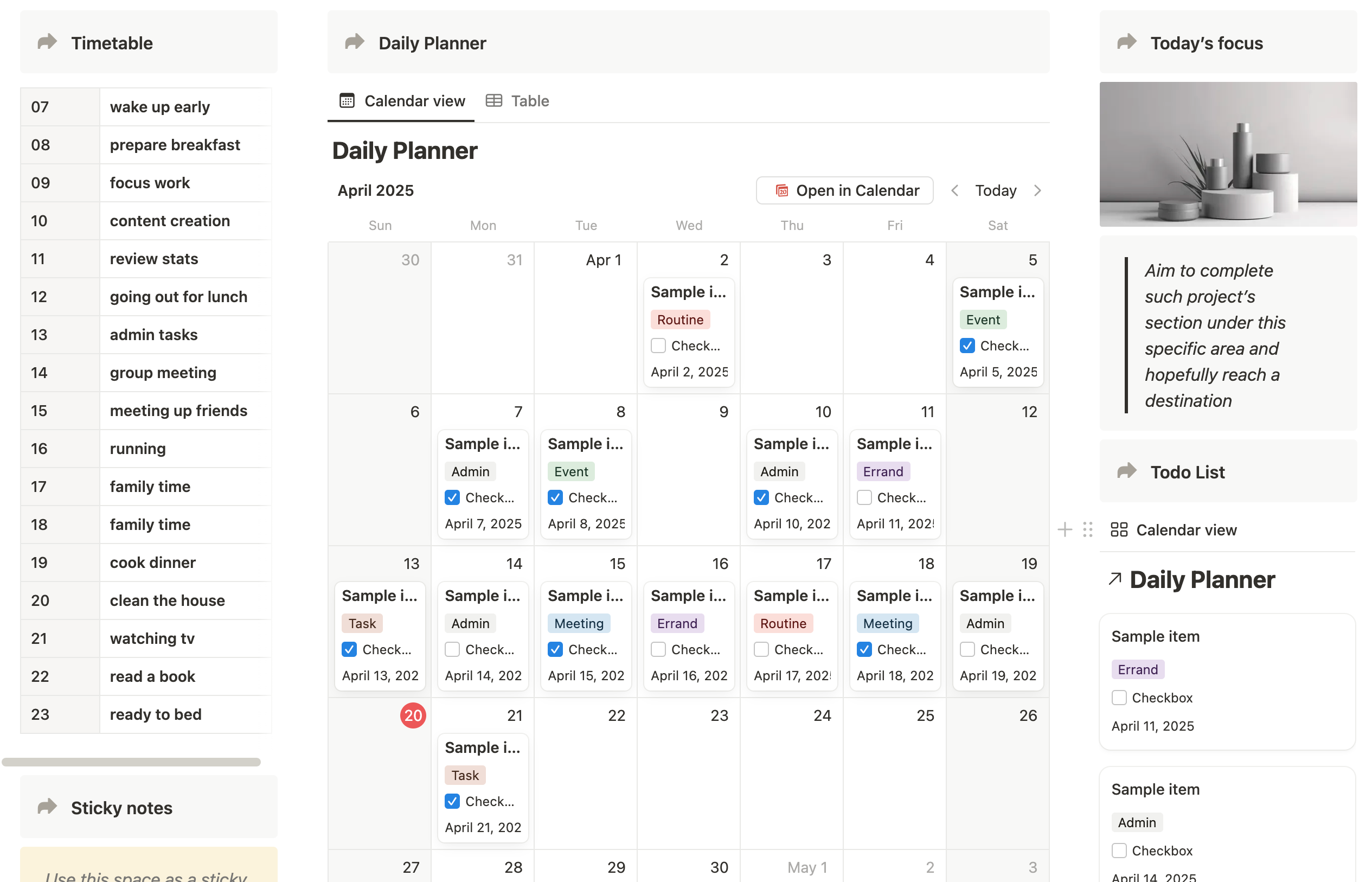
Notion is a flexible workspace used for internal documentation, planning, and lightweight process management. Teams often use it to capture knowledge and collaborate in real time.
Internal teams create shared pages for processes, policies, and project planning. Databases allow basic tracking of tasks, requests, or resources.
Notion’s flexibility is its strength and its limitation. Without governance, content can become fragmented. Many organizations pair Notion with a structured intranet like Axero to maintain consistency.
Key features of Notion
- Collaborative documentation: Supports shared knowledge creation.
- Custom databases: Enables lightweight internal tracking.
- Flexible layouts: Adapts to team needs.
Best for: Teams that value flexibility for documentation and planning.
Bringing internal business systems together
Internal business systems determine how effectively an organization operates day to day. When systems are fragmented, teams lose time, clarity, and confidence. When systems are aligned, work flows smoothly, decisions are informed, and people stay focused on outcomes.
The most effective organizations do not rely on a single system to do everything. Instead, they build a connected ecosystem anchored by a central hub that brings structure and visibility to internal work.
This is where Axero plays a critical role. We help organizations unify communication, knowledge, and workflows into one governed platform that people actually use. Axero strengthens your internal systems by connecting them, not replacing them.
Book a demo and see how Axero helps you build internal business systems that scale with clarity and control.






 info@axerosolutions.com
 1-855-AXERO-55