Employee enablement has become a defining factor in how organizations perform at scale. When employees have access to the right information, tools, and support, work flows faster, decisions improve, and engagement strengthens. When they do not, even high-performing teams stall under friction, confusion, and misalignment.
Many organizations try to enable employees through a patchwork of tools. Documents live in one place. Communications happen somewhere else. Training sits behind another login. Over time, this fragmentation creates gaps. Employees struggle to find what they need. Leaders lose visibility. Enablement efforts become reactive instead of intentional.
Employee enablement software addresses this by bringing clarity and consistency to the employee experience. It centralizes access to knowledge, processes, communication, and resources that support employees in their roles. The goal is simple: remove obstacles so people can focus on meaningful work.
The strongest enablement platforms do more than distribute information. They connect people to purpose, align teams around shared priorities, and support growth across the organization. Choosing the right solution requires understanding how enablement fits into daily work, not treating it as a standalone initiative.
Below, we explore the leading employee enablement software options and how they support productive, informed, and aligned teams, starting with Axero.
Top 10 employee enablement software for 2026
What is employee enablement software?
Employee enablement software is a digital platform designed to help employees perform their jobs effectively by providing access to the information, tools, and support they need. This includes company knowledge, processes, communications, training resources, and collaboration spaces.
Unlike point solutions that address a single need, employee enablement software focuses on the overall employee experience. It reduces friction by centralizing resources and making them easy to find, understand, and apply in daily work.
Effective enablement platforms support alignment, autonomy, and accountability. Employees gain clarity on expectations and access to resources without constant oversight. Leaders gain confidence that teams are informed and supported.
Many modern enablement solutions take the form of intranets or digital workplaces, integrating knowledge management, internal communication, and collaboration into a single environment that scales with the organization.
What to consider when choosing the right employee enablement software
Employee enablement depends on adoption. The right platform must fit naturally into how your organization works and grows.
Centralized access to information
Employees should have one trusted place to find policies, processes, tools, and updates. Fragmentation erodes confidence and slows execution.
Ease of use and adoption
An intuitive interface drives engagement. If employees struggle to navigate the platform, enablement efforts fall short.
Governance and ownership
Clear ownership, permissions, and version control keep content accurate and reliable as teams scale.
Integration with existing tools
Enablement software should connect with your current systems to reduce context switching and support daily workflows.
Scalability across teams
As roles, locations, and priorities change, the platform should adapt without requiring rework or restructuring.
10 best employee enablement software
1. Axero
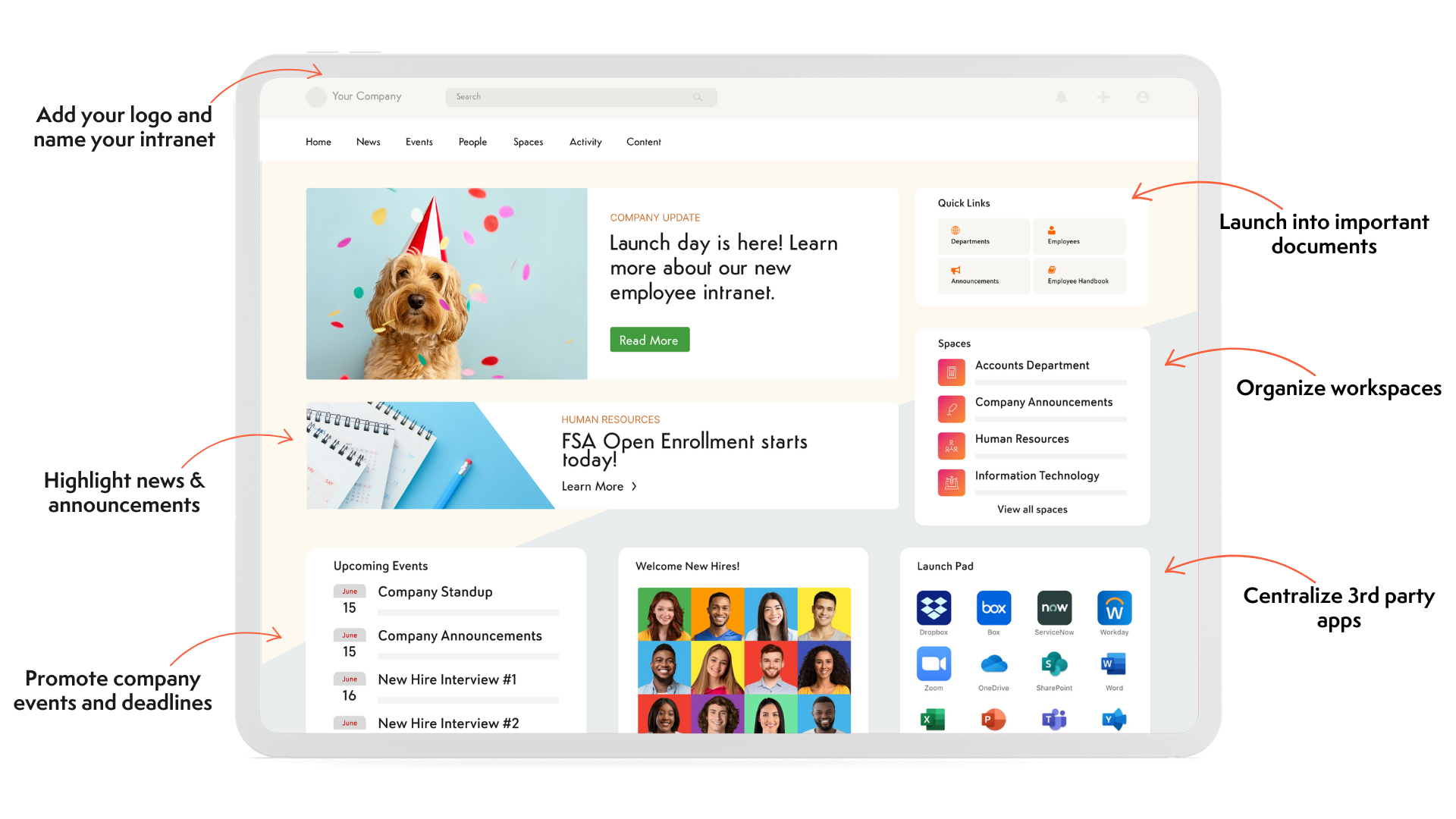
Axero is a comprehensive intranet platform built to enable employees through a centralized, structured digital workplace. It brings together communication, knowledge, processes, and collaboration in one system designed for long-term adoption. Employees use Axero to access the information they need to do their jobs, from policies and procedures to team resources and company updates. Powerful search and intuitive navigation reduce time spent looking for answers. Clear ownership and governance ensure content stays accurate and trusted.
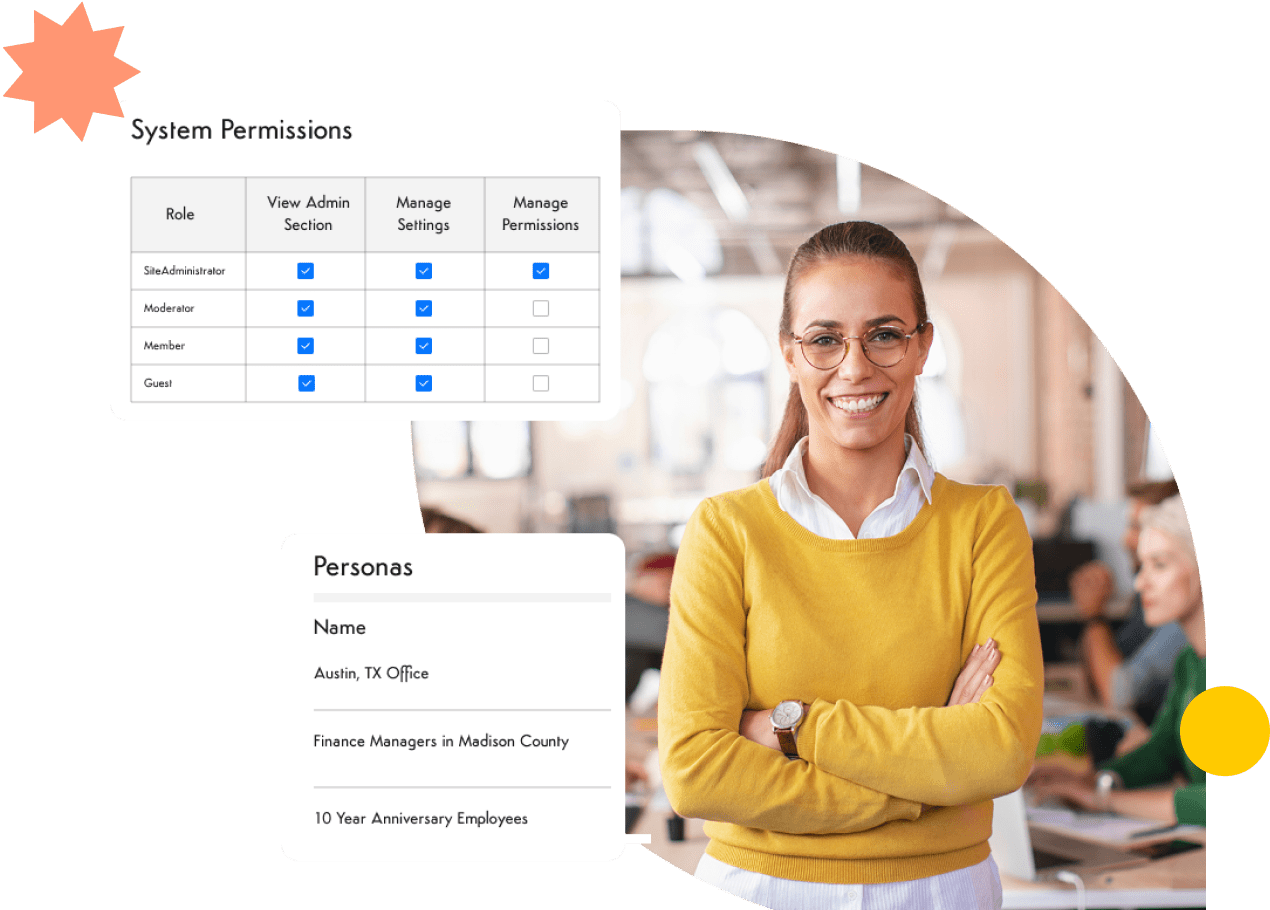
Axero supports enablement at scale. Teams can tailor experiences by role, department, or location while maintaining consistency across the organization. Leaders gain visibility into engagement and usage, helping refine enablement strategies over time. Rather than adding another tool to manage, Axero replaces fragmentation with clarity, supporting employees where work actually happens.
Key features of Axero
- Centralized employee hub: Unite knowledge, communication, and resources in one platform.
- Governance and permissions: Maintain accuracy, ownership, and accountability.
- Advanced search and personalization: Deliver relevant content to the right employees.
Best for: Organizations seeking a scalable, governed employee enablement platform.

2. Microsoft Viva

Microsoft Viva is an employee experience platform built on Microsoft 365. It combines communication, insights, learning, and knowledge sharing within tools many employees already use.
Viva integrates with Microsoft Teams, SharePoint, and Outlook, making enablement part of daily workflows. Employees can access resources, learning content, and company updates without leaving familiar environments.
The platform works best for organizations deeply invested in the Microsoft ecosystem. Enablement capabilities often depend on configuration across multiple modules, which can increase complexity for smaller teams.
Key features of Microsoft Viva
- Microsoft 365 integration: Embed enablement into existing workflows.
- Knowledge and learning modules: Support skill development and information sharing.
- Employee insights: Provide data on engagement and work patterns.
Best for: Organizations standardized on Microsoft tools.
3. Workvivo
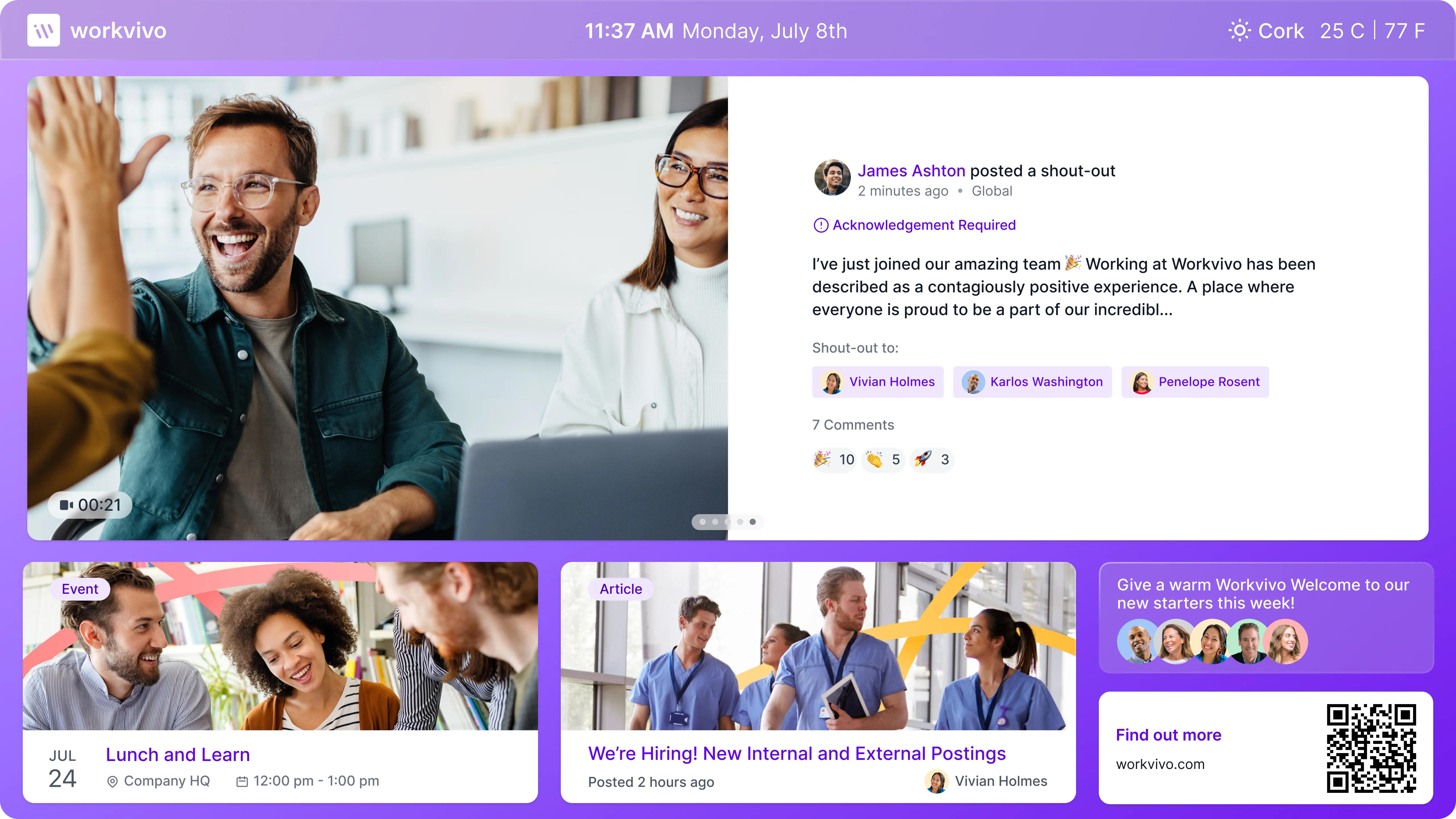
Workvivo focuses on employee engagement and internal communication, positioning enablement through connection and visibility. It provides social-style feeds, recognition tools, and company updates to keep employees informed and involved.
The platform supports storytelling, leadership communication, and peer recognition, helping employees feel connected to the organization. Knowledge and resources can be shared through posts and pages, supporting lighter enablement use cases.
Workvivo excels at engagement but may require complementary systems for structured knowledge management and process governance in larger organizations.
Key features of Workvivo
- Social communication feed: Share updates and foster connection.
- Employee recognition tools: Reinforce alignment and motivation.
- Mobile-first experience: Support distributed and frontline teams.
Best for: Organizations prioritizing engagement-led enablement.
4. LumApps
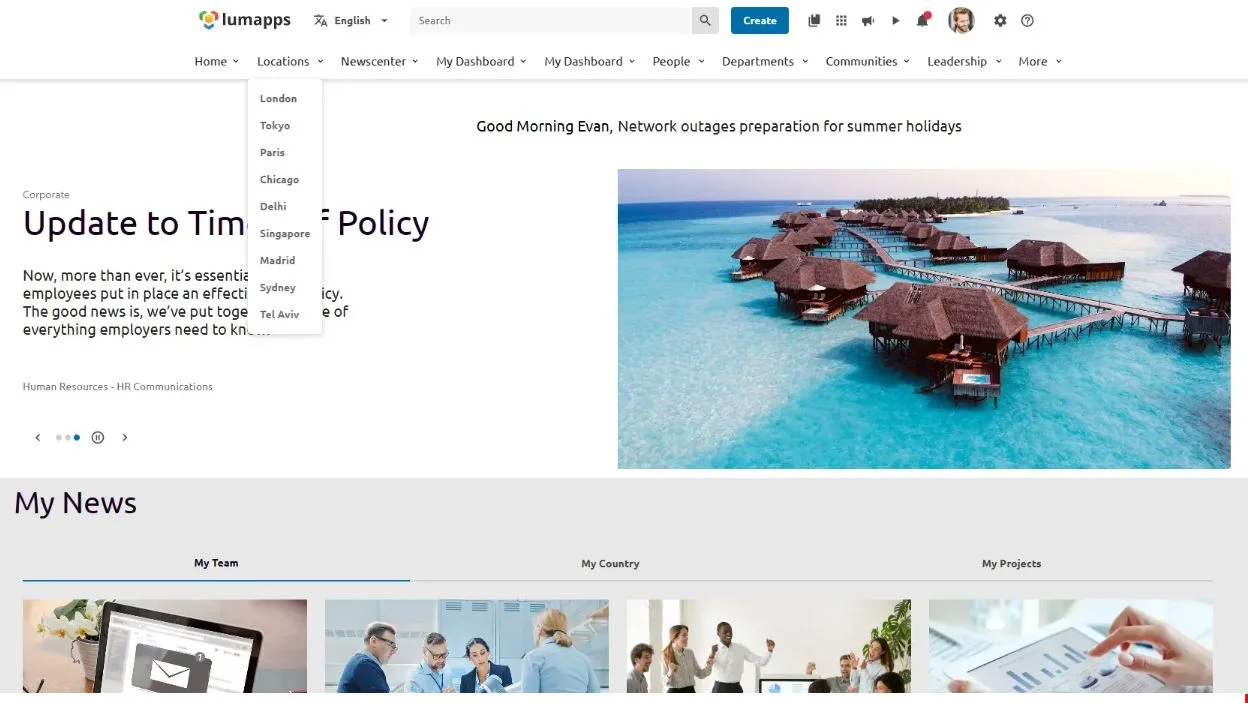
LumApps is an intranet platform designed to enable employees through centralized communication, knowledge sharing, and personalized content delivery. It provides organizations with a branded digital workplace that connects employees to company resources, news, and tools.
The platform emphasizes personalization, allowing content to be targeted by role, location, or department. This helps employees see information that is relevant to their work without unnecessary noise. LumApps also integrates with Google Workspace and Microsoft 365, supporting hybrid technology environments.
While LumApps offers strong communication and content delivery, organizations with complex governance or process documentation needs may require additional configuration to maintain consistency at scale.
Key features of LumApps
- Personalized content feeds: Deliver relevant updates and resources to employees.
- Integration with productivity suites: Connect with Google Workspace and Microsoft 365.
- Branded intranet experience: Reinforce company identity and alignment.
Best for: Organizations seeking personalized employee communication and knowledge access.
5. Guru
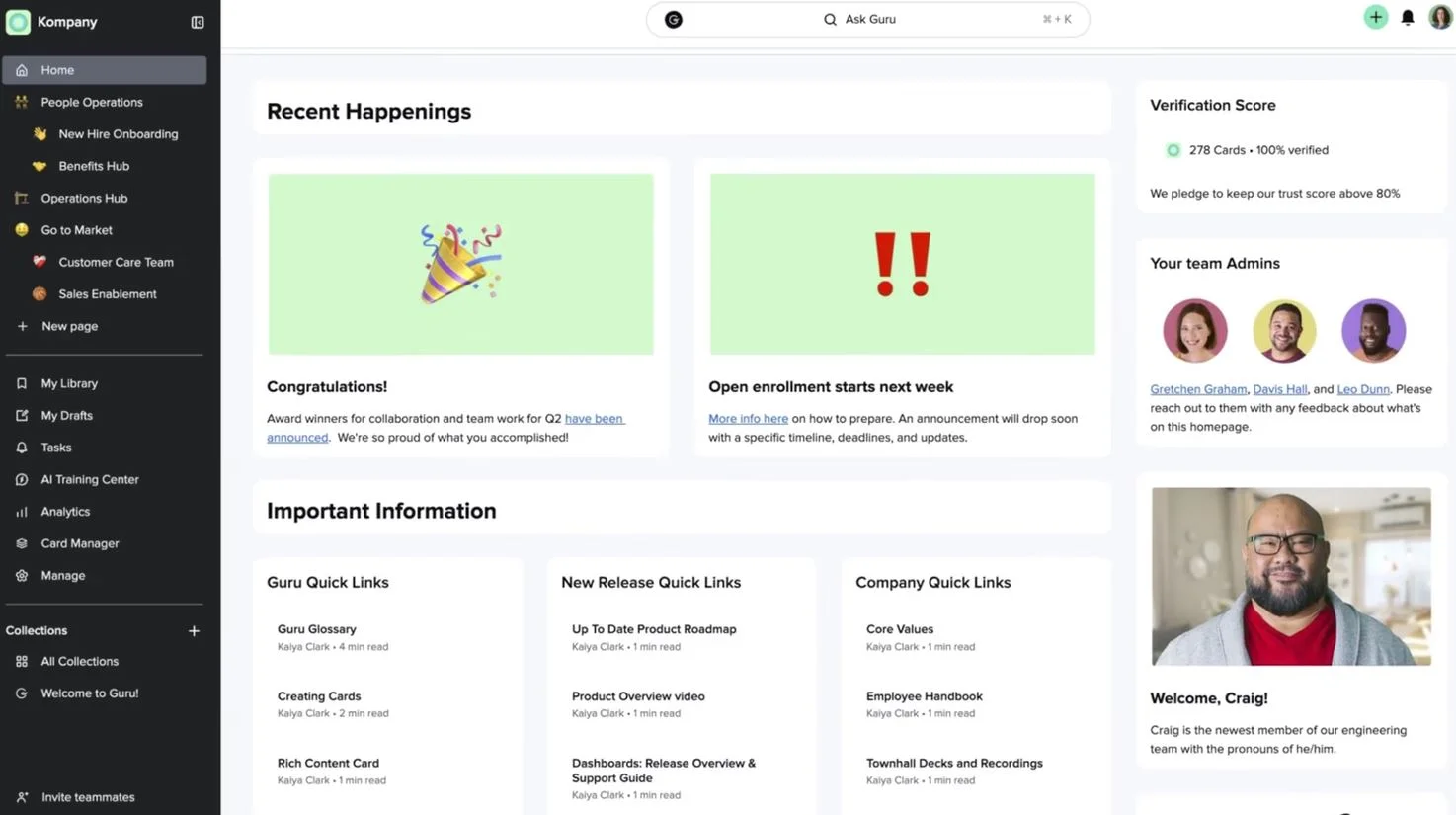
Guru is a knowledge management platform focused on providing employees with trusted answers in the flow of work. It enables teams to capture and verify knowledge that supports daily decision-making.
Content in Guru is organized into cards that can be surfaced through browser extensions and integrations with collaboration tools. Verification workflows help ensure information stays accurate over time, which supports confidence and adoption.
Guru excels at tactical enablement by reducing time spent searching for answers. Organizations with broader communication or engagement needs often pair it with an intranet platform for a more holistic experience.
Key features of Guru
- Verified knowledge cards: Maintain accuracy through ownership and review cycles.
- In-workflow access: Surface information where employees already work.
- Analytics and insights: Track knowledge usage and gaps.
Best for: Teams that need quick, reliable answers during daily work.
6. Unily
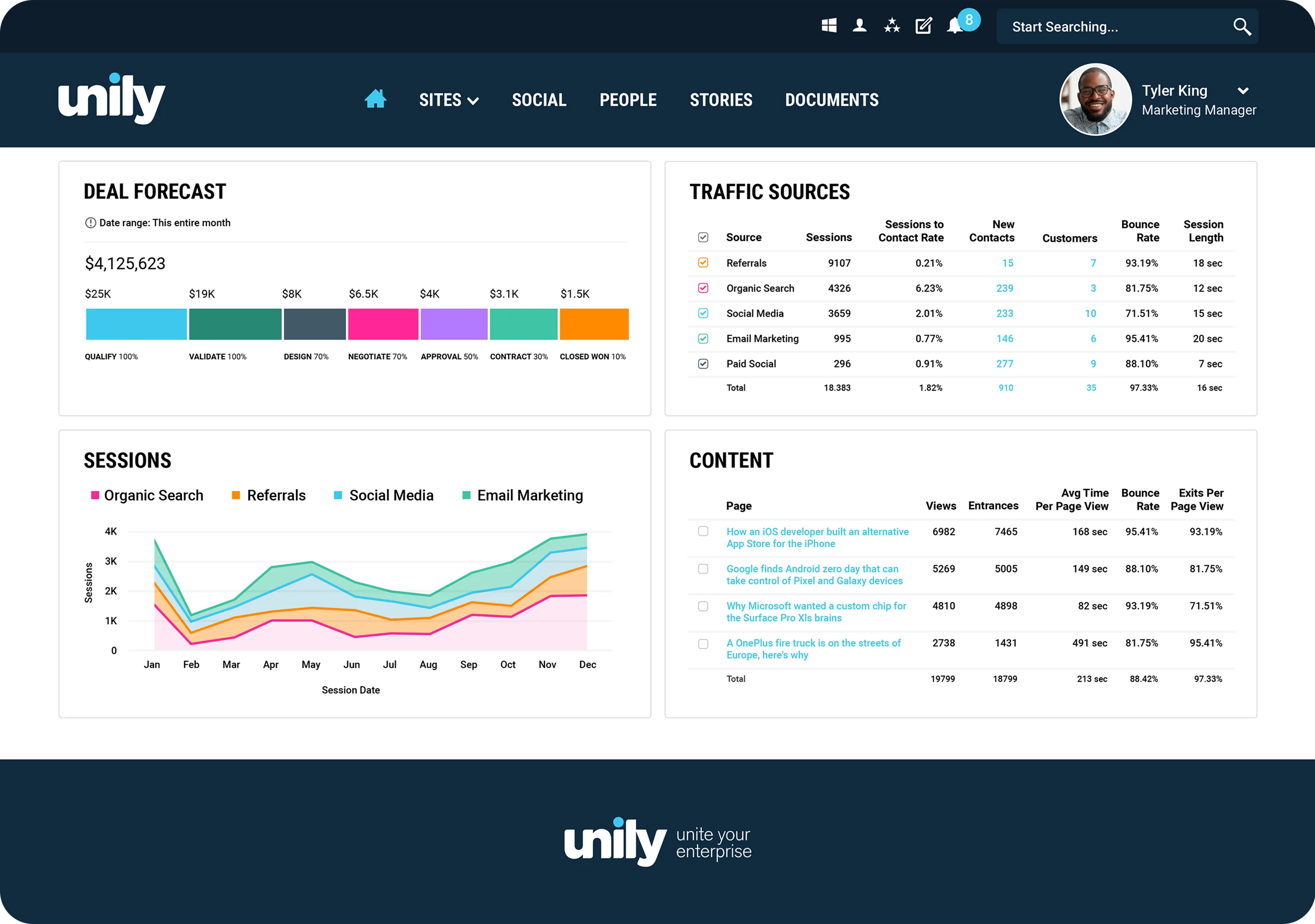
Unily is an enterprise intranet solution designed to enable large, complex organizations. It supports global communication, structured knowledge sharing, and role-based experiences across regions and departments.
The platform offers advanced governance, personalization, and scalability. Organizations can manage content ownership, permissions, and approvals while delivering tailored experiences to diverse employee groups.
Unily is well-suited for enterprises with formal structures and global workforces. Smaller organizations may find the platform more than they need for basic enablement requirements.
Key features of Unily
- Enterprise-grade governance: Control content ownership and approvals.
- Personalized employee experiences: Tailor content by role and location.
- Scalable architecture: Support large, distributed organizations.
Best for: Large enterprises with complex enablement needs.
7. Simpplr

Simpplr is an employee experience platform designed to enable employees through communication, content discovery, and personalization. It provides a centralized hub where employees can access news, resources, and updates tailored to their role and interests.
The platform emphasizes usability and adoption. AI-powered recommendations surface relevant content, helping employees stay informed without searching. Simpplr also supports integrations with common workplace tools, allowing information to flow across systems.
Simpplr performs well for organizations focused on communication-led enablement. Teams that require deeper process documentation or formal knowledge governance may pair it with a more structured intranet solution.
Key features of Simpplr
- Personalized content delivery: Recommend relevant information to employees.
- Modern user experience: Encourage adoption through intuitive design.
- Tool integrations: Connect enablement content across platforms.
Best for: Organizations prioritizing usability and communication-driven enablement.
8. Staffbase
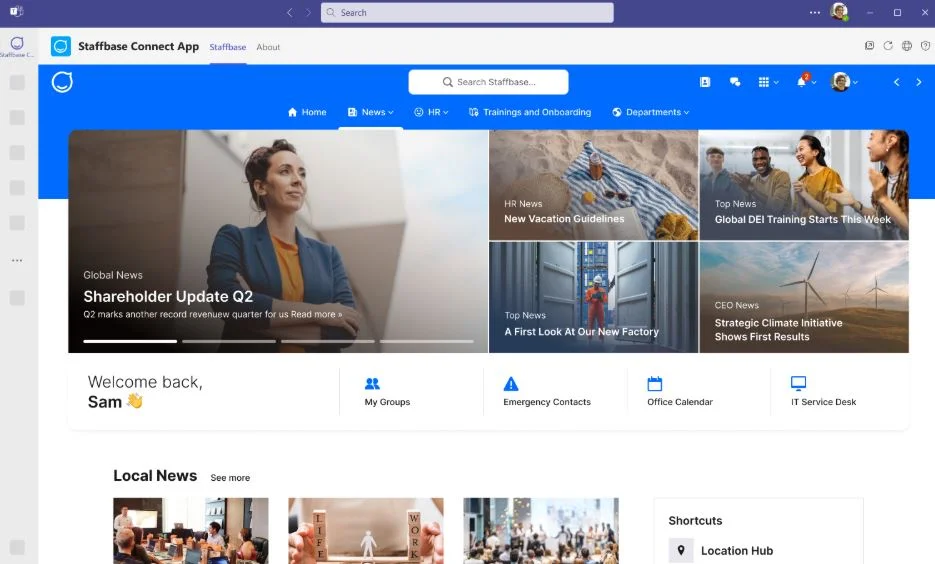
Staffbase is an internal communication platform designed to enable employees through structured messaging and content delivery. It supports email, mobile apps, and intranet-style pages to reach employees wherever they work.
The platform excels at delivering consistent messaging to distributed and frontline teams. Employees receive updates, resources, and announcements through channels suited to their roles and locations.
While Staffbase strengthens communication reach, organizations with complex knowledge management or collaboration needs may require additional platforms to support full enablement.
Key features of Staffbase
- Multi-channel communication: Reach employees via mobile, email, and intranet.
- Targeted messaging: Deliver content by role, location, or group.
- Analytics and insights: Measure communication effectiveness.
Best for: Organizations with distributed or frontline workforces.
9. Culture Amp
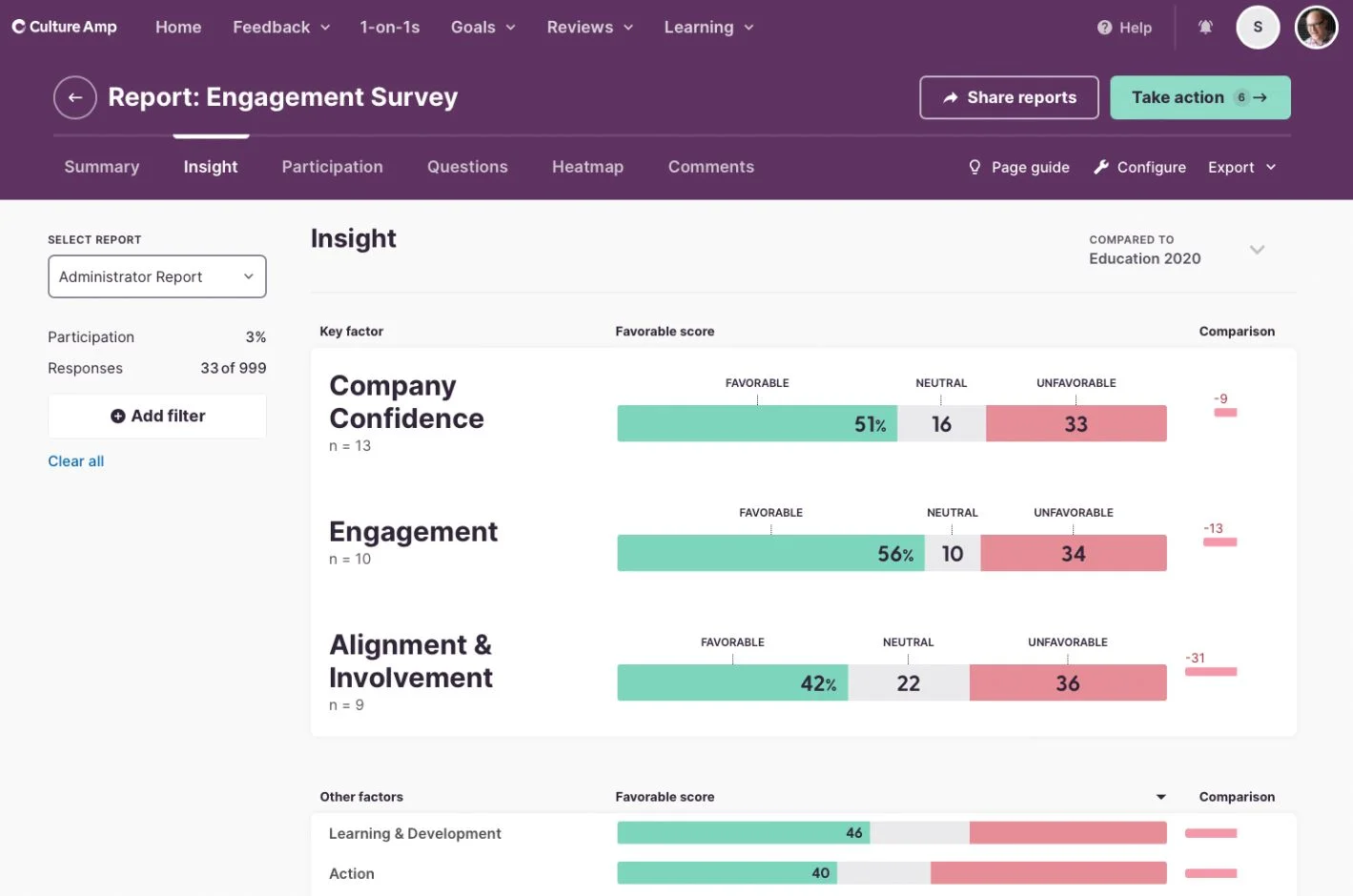
Culture Amp focuses on employee feedback, engagement, and performance, contributing to enablement through insight and alignment. It helps organizations understand employee sentiment and identify areas that affect productivity and retention.
The platform provides surveys, analytics, and action planning tools that support informed leadership decisions. By identifying barriers to engagement, organizations can better support employees in their roles.
Culture Amp complements enablement strategies rather than serving as a central enablement hub. It is often used alongside intranet and knowledge platforms that deliver daily resources and information.
Key features of Culture Amp
- Employee engagement surveys: Capture feedback and sentiment.
- Actionable analytics: Identify trends and improvement areas.
- Performance alignment tools: Support growth and development.
Best for: Organizations focused on feedback-driven enablement.
10. 15Five
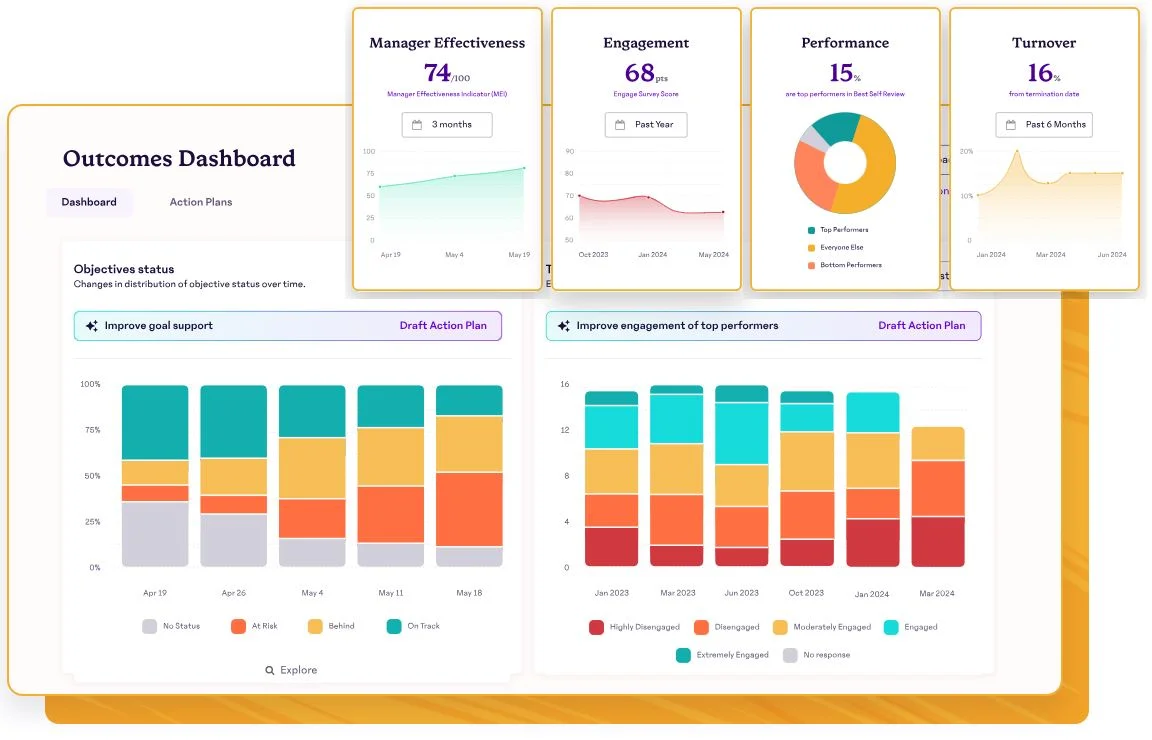
15Five is a performance management platform that supports employee enablement through feedback, goal alignment, and continuous development. It focuses on enabling employees by strengthening communication between managers and teams.
The platform provides tools for weekly check-ins, goal tracking, performance reviews, and engagement insights. These features help employees stay aligned with expectations and feel supported in their growth. Managers gain visibility into progress and challenges, which supports more effective coaching.
15Five contributes to enablement through performance clarity rather than centralized knowledge or communication. Organizations often pair it with an intranet platform to ensure employees also have consistent access to information, processes, and resources.
Key features of 15Five
- Weekly check-ins: Maintain alignment and ongoing feedback.
- Goal and performance tracking: Connect individual work to company objectives.
- Manager enablement tools: Support coaching and development conversations.
Best for: Organizations focused on performance-driven employee enablement.
Choosing the right employee enablement software
Employee enablement succeeds when employees can easily access what they need, understand expectations, and stay aligned with organizational goals. Platforms that fragment information or rely on disconnected tools create friction that limits adoption and impact.
As organizations grow, enablement requires structure, governance, and visibility. Clear ownership, trusted content, and integration into daily workflows determine whether employees feel supported or slowed down.
Axero delivers enablement through a unified intranet experience. By centralizing knowledge, communication, and resources, we help organizations replace fragmentation with clarity. Employees gain confidence. Leaders gain insight. Enablement becomes sustainable, not reactive.
If you want to create an environment where employees can perform with consistency and autonomy, book a demo and see how Axero supports enablement at scale.




 info@axerosolutions.com
 1-855-AXERO-55