
Every organization has rules to follow. Some come from regulators. Others come from internal policies, industry standards, or customer expectations. The challenge is not defining those rules. The challenge is making sure employees actually understand them and apply them consistently in their daily work.
That is where compliance training software plays a central role. It gives you a structured way to deliver mandatory training, track completion, and prove accountability across your organization. When done right, it reduces risk, supports ethical decision-making, and builds trust with regulators, partners, and employees alike.
Many organizations still rely on scattered tools, manual tracking, or outdated learning systems to manage compliance. This often leads to low engagement, missed deadlines, and limited visibility for leaders. Employees feel disconnected from the material, and administrators struggle to keep training current and relevant.
Modern compliance training software solves these issues by centralizing content, automating reminders, and providing clear reporting. The strongest platforms also connect compliance training to the broader employee experience. They integrate with intranet content, policies, onboarding resources, and internal communications so compliance becomes part of how work gets done, not a once-a-year checkbox.
As expectations around governance, data protection, and workplace conduct continue to grow, choosing the right compliance training software becomes a strategic decision. The right platform supports consistency, clarity, and confidence across your organization.
Top 10 compliance training software for 2026
- Axero
- Litmos
- TalentLMS
- Docebo
- SAP SuccessFactors Learning
- Cornerstone OnDemand
- Absorb LMS
- LearnUpon
- Schoox
- 360Learning
What is compliance training software?
Compliance training software is a digital platform that helps organizations deliver, manage, and track mandatory training programs required by laws, regulations, and internal policies.
These platforms typically support training for areas such as data privacy, information security, workplace safety, harassment prevention, ethics, and industry-specific regulations. Instead of relying on in-person sessions or disconnected tools, compliance training software centralizes learning in one system that employees can access on demand.
At its core, compliance training software ensures three things. First, employees receive the right training at the right time. Second, completion and acknowledgment are recorded accurately. Third, administrators and leaders can demonstrate compliance through clear audit-ready reports.
Modern solutions go beyond static courses. They support microlearning, policy attestations, quizzes, automated reminders, and role-based assignments. Many also integrate with HR systems, intranets, and content management tools so compliance training aligns with onboarding, internal communications, and knowledge sharing.
The result is a more consistent, measurable, and scalable approach to compliance. Employees know what is expected of them. Leaders gain visibility. Organizations reduce risk without overloading teams with unnecessary friction.
What to consider when choosing the right compliance training software
Choosing compliance training software requires balancing regulatory needs with employee experience. The platform must protect the organization while remaining easy to adopt and manage.
Centralized content management
You need a single place to store courses, policies, and training materials. Centralization reduces confusion and ensures employees always access the latest approved content.
Tracking and reporting capabilities
Strong reporting tools are essential. Look for real-time dashboards, completion tracking, and exportable reports that support audits and internal reviews.
Automation and reminders
Automated assignments, reminders, and recertification schedules reduce administrative effort. They also help employees stay compliant without constant manual follow-ups.
Ease of use for employees
If the platform feels complex, engagement will drop. A clean interface and simple navigation help employees complete training quickly and confidently.
Integration with existing systems
Compliance training should not live in isolation. Integration with intranets, HR systems, and identity management tools creates a more connected experience and reduces duplicate work.
Scalability and flexibility
Your compliance needs will change. Choose software that can scale with your organization, support new regulations, and adapt training by role, location, or department.
10 best compliance training software
1. Axero
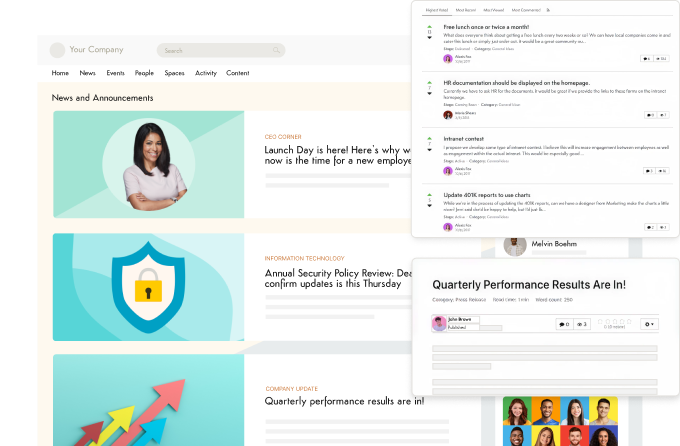
Axero approaches compliance training from a broader digital workplace perspective. Instead of treating compliance as a standalone task, Axero embeds training directly into the intranet experience employees already use for communication, policies, and daily work. This reduces friction and increases completion rates because compliance feels integrated, not imposed. With Axero, you can centralize compliance courses, policies, attestations, and supporting documentation in one secure hub. Training can be assigned by role, department, or location, ensuring employees only receive what is relevant to them. Automated reminders and acknowledgments help keep deadlines on track without manual follow-ups.
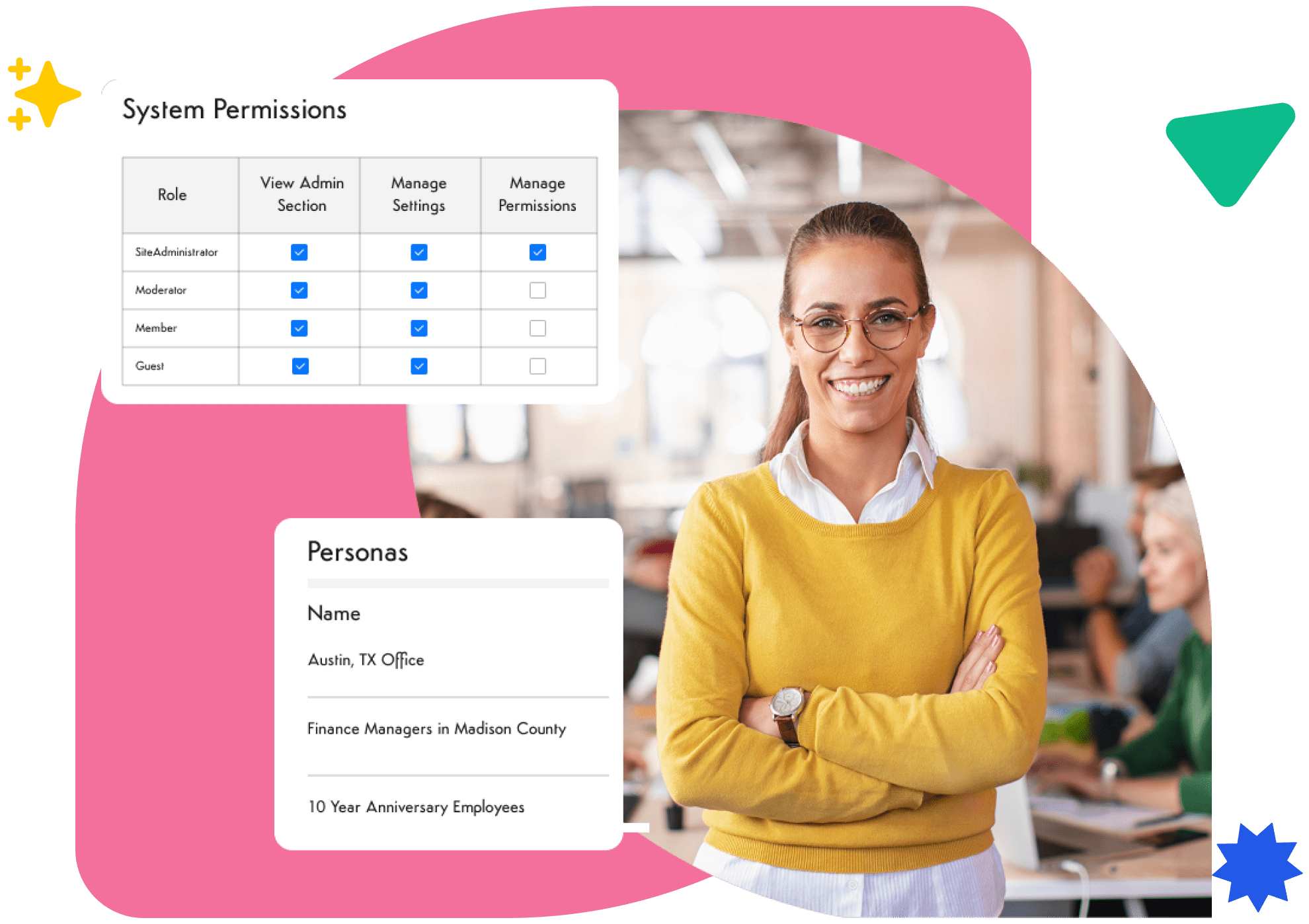
Axero’s strength lies in visibility and context. Employees can access training alongside policy updates, internal announcements, and knowledge resources. Leaders gain clear reporting that shows who has completed training, who is overdue, and where gaps exist. This makes audits simpler and accountability clearer. Because Axero is highly customizable, organizations can align compliance training with branding, workflows, and governance models. As requirements change, updates can be rolled out quickly without disrupting employees.
Key features of Axero
- Integrated intranet learning: Compliance training lives alongside policies, news, and resources, increasing adoption and consistency.
- Role-based assignments: Training aligns with job responsibilities, reducing noise and improving relevance.
- Audit-ready reporting: Clear dashboards and exports simplify internal reviews and regulatory audits.
Best for: Organizations that want compliance training fully integrated into their digital workplace.

2. Litmos

Litmos is a learning management system built for fast deployment and standardized training delivery. It is widely used for compliance training due to its structured course management, automated workflows, and reporting capabilities.
The platform offers a large library of prebuilt compliance courses covering topics such as data protection, workplace safety, and ethics. This helps organizations get started quickly without creating content from scratch. Courses can also be customized or supplemented with internal materials.
Litmos focuses heavily on automation. Administrators can assign training based on roles, schedule recurring certifications, and trigger reminders automatically. Reporting tools provide visibility into completion rates and assessment results, supporting compliance oversight.
While Litmos excels at structured learning, it typically operates as a standalone system. Organizations often pair it with other platforms to connect compliance training with broader internal communications and employee resources.
Key features of Litmos
- Prebuilt compliance courses: Accelerates rollout with ready-made training content.
- Automated certifications: Recurring training stays on schedule with minimal manual effort.
- Detailed reporting: Completion and assessment data support compliance tracking.
Best for: Teams that want a dedicated LMS with quick access to compliance content.
3. TalentLMS
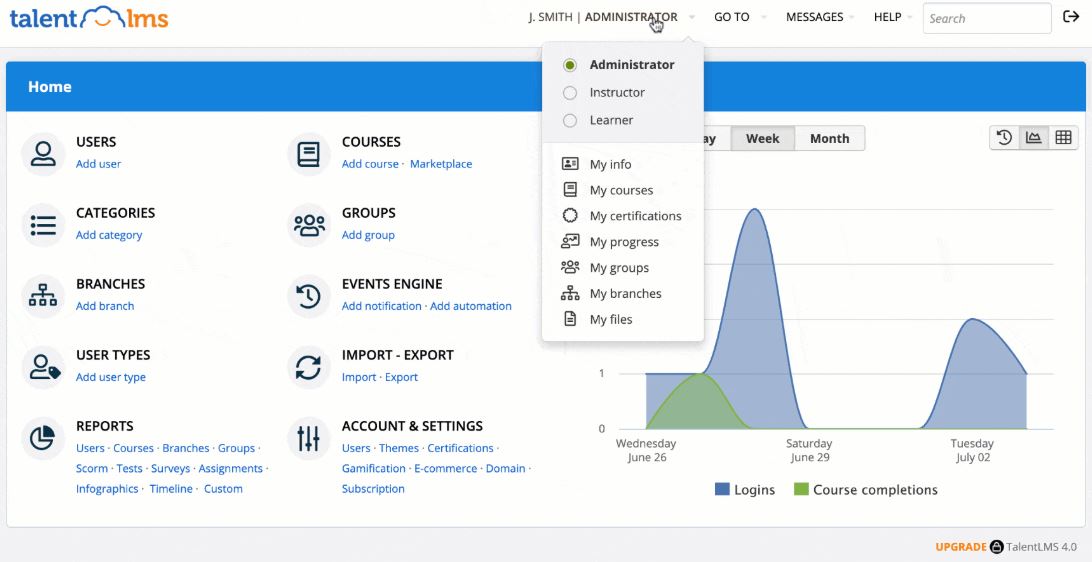
TalentLMS is known for its simplicity and flexibility. It provides a clean learning environment that supports compliance training without overwhelming administrators or learners.
The platform allows organizations to create courses, upload existing content, and assign training based on user groups. Its intuitive interface makes it easy for employees to complete required training with minimal guidance.
TalentLMS supports quizzes, certifications, and automated reminders, which helps maintain accountability. Reporting tools give administrators insight into learner progress and completion status across teams.
While TalentLMS is easy to use, it offers fewer built-in workplace integrations than broader digital platforms. Many organizations use it specifically for training delivery while relying on other tools for policy management and internal communication.
Key features of TalentLMS
- User-friendly interface: Reduces friction and supports faster training completion.
- Flexible course creation: Supports video, documents, and assessments.
- Automated notifications: Keeps employees informed without manual tracking.
Best for: Small to mid-sized organizations seeking straightforward compliance training.
4. Docebo
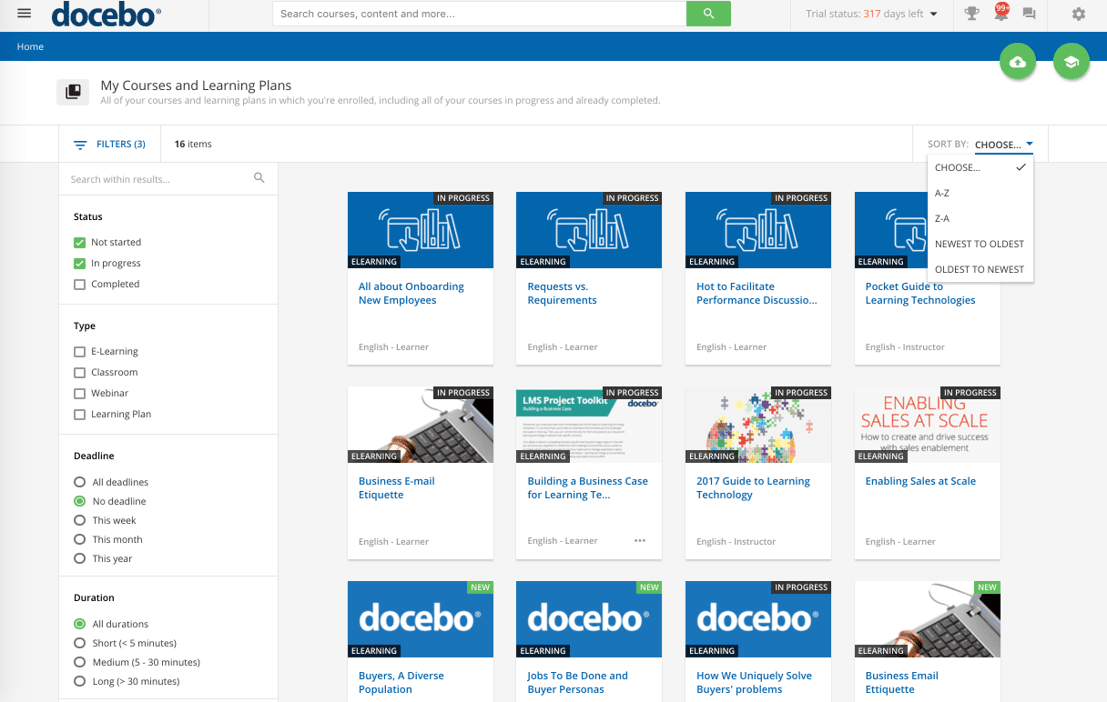
Docebo is an enterprise-grade learning platform designed to scale across complex organizations. It supports compliance training alongside professional development and extended learning use cases.
The platform uses automation and AI-driven features to personalize learning paths and manage certifications. Administrators can assign mandatory compliance training by role, region, or business unit, ensuring accuracy across large workforces.
Docebo offers advanced reporting and analytics, making it easier for compliance teams to monitor trends and identify risk areas. Integrations with HR systems help keep learner data up to date.
Because of its depth, Docebo often requires more setup and governance. It works best for organizations with dedicated learning teams and formal compliance programs.
Key features of Docebo
- Advanced learning automation: Supports complex compliance requirements at scale.
- Role-based learning paths: Ensures accurate training assignments.
- Enterprise analytics: Provides deep insight into compliance performance.
Best for: Large organizations with mature learning and compliance operations.
5. SAP SuccessFactors Learning
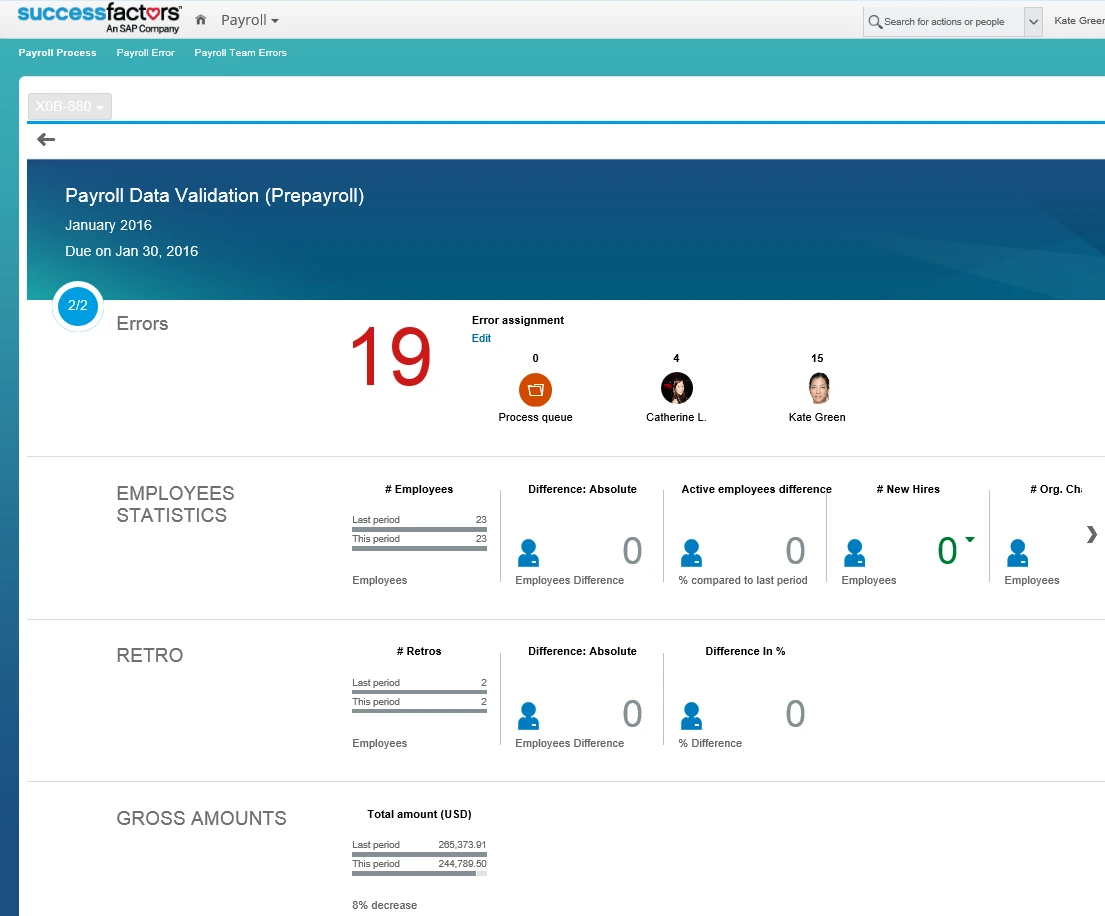
SAP SuccessFactors Learning is part of SAP’s broader human experience management suite. It is designed to support compliance training at scale, particularly in highly regulated and global environments.
The platform allows organizations to manage mandatory training, certifications, and recurring compliance requirements across regions and job roles. Training assignments can be automated based on employee data from HR systems, reducing manual administration and improving accuracy.
SuccessFactors Learning provides strong reporting and audit support. Compliance teams can generate detailed records that show completion status, expiration dates, and historical training activity. This is especially valuable for organizations that face frequent audits or complex regulatory oversight.
Because it is tightly integrated with SAP’s ecosystem, the platform works best for organizations already invested in SAP. Outside of that environment, setup and ongoing management can feel heavy.
Key features of SAP SuccessFactors Learning
- Enterprise compliance management: Supports large-scale regulatory training programs.
- Automated assignments: Uses HR data to ensure accurate training delivery.
- Audit-focused reporting: Simplifies regulatory reviews and documentation.
Best for: Large enterprises already using SAP solutions.
6. Cornerstone OnDemand
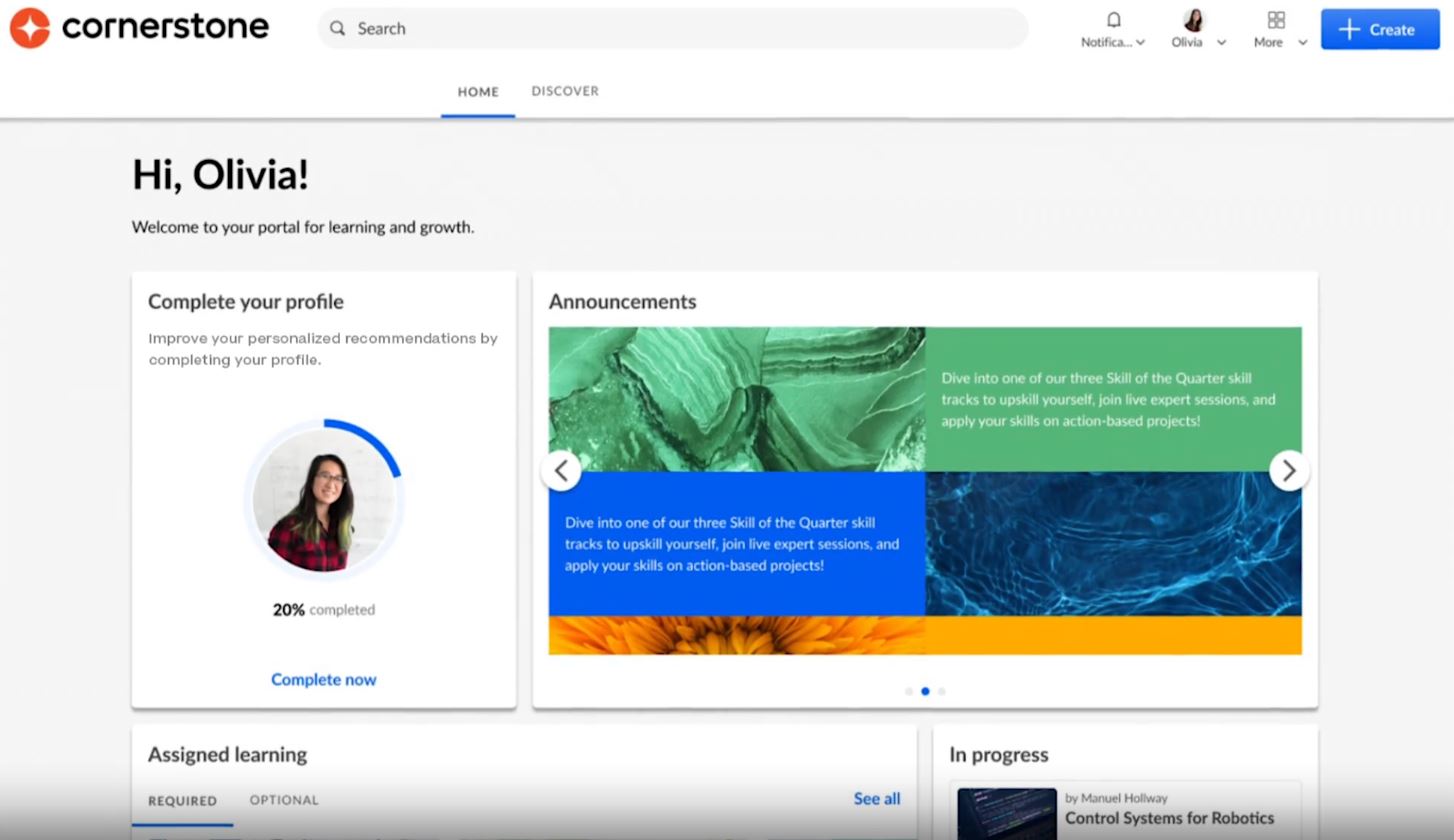
Cornerstone OnDemand offers a comprehensive learning platform that supports compliance training, skill development, and performance management. It is commonly used by organizations with complex compliance and governance needs.
The platform enables administrators to assign mandatory training by role, location, or business unit. Certifications, acknowledgments, and retraining cycles can be automated to ensure ongoing compliance without manual intervention.
Cornerstone’s analytics tools provide insight into completion trends, risk areas, and training effectiveness. These insights help compliance and HR teams proactively address gaps before they become issues.
While Cornerstone is powerful, it often requires dedicated resources to manage effectively. Organizations typically pair it with internal communication platforms to reinforce compliance messaging beyond formal training.
Key features of Cornerstone OnDemand
- Scalable compliance workflows: Manages training across large, diverse workforces.
- Advanced analytics: Identifies trends and compliance gaps early.
- Automated recertification: Keeps training current over time.
Best for: Enterprises with structured compliance and talent programs.
7. Absorb LMS
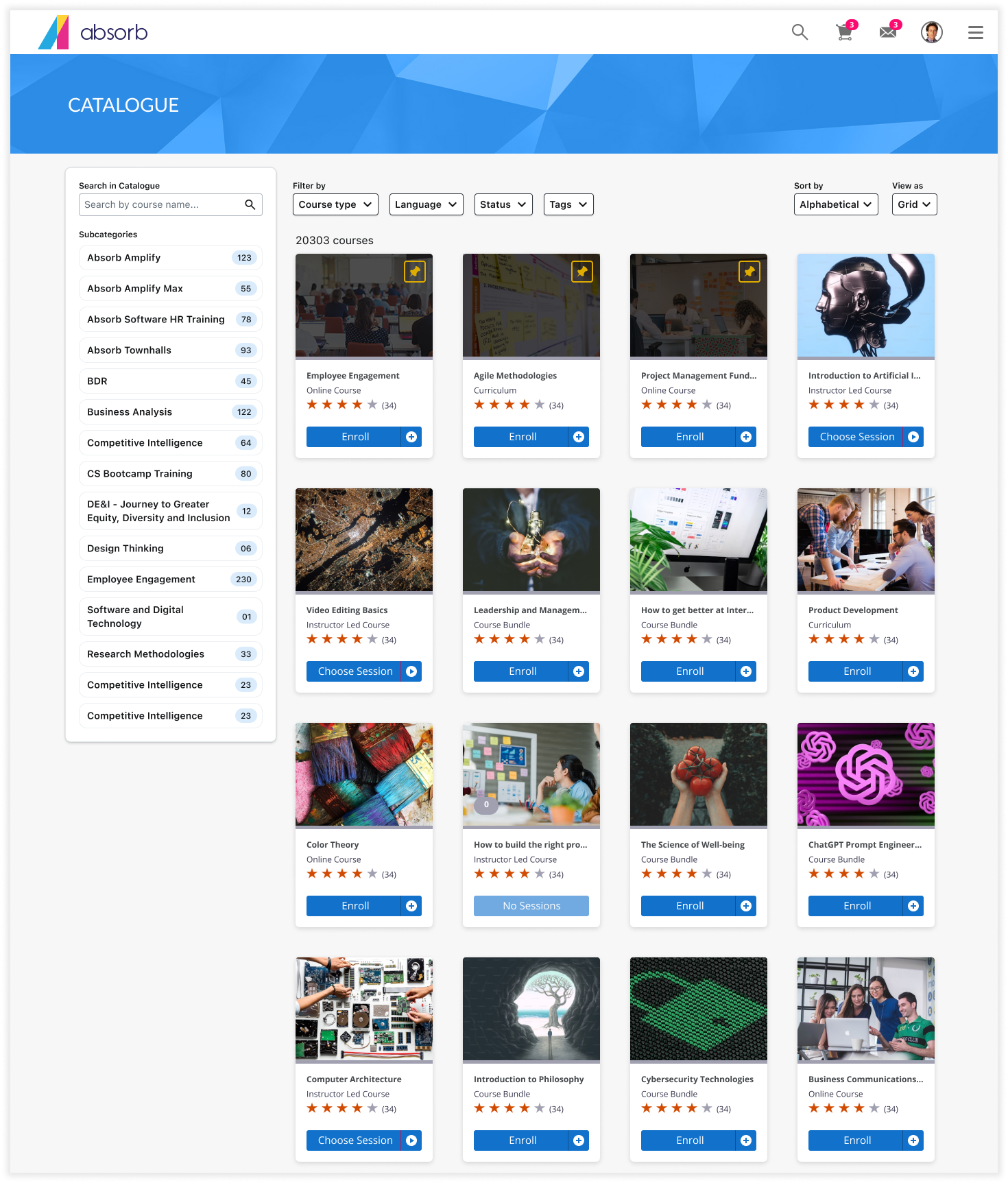
Absorb LMS is a flexible learning management system that balances usability with robust compliance features. It supports mandatory training, certifications, and assessments without excessive complexity.
Administrators can assign compliance courses by group or role and track completion through clear dashboards. Automated reminders help keep employees on schedule, reducing the need for manual follow-ups.
Absorb LMS also supports content customization, allowing organizations to tailor training to internal policies and regulatory requirements. Reporting tools provide the documentation needed for audits and internal reviews.
While Absorb LMS focuses on learning delivery, it does not replace broader intranet functionality. Many organizations integrate it with other platforms to connect compliance training with policies and internal communications.
Key features of Absorb LMS
- Clean administrative interface: Simplifies compliance management tasks.
- Certification tracking: Maintains accurate training records.
- Custom content support: Aligns training with internal policies.
Best for: Organizations seeking balance between usability and compliance depth.
8. LearnUpon
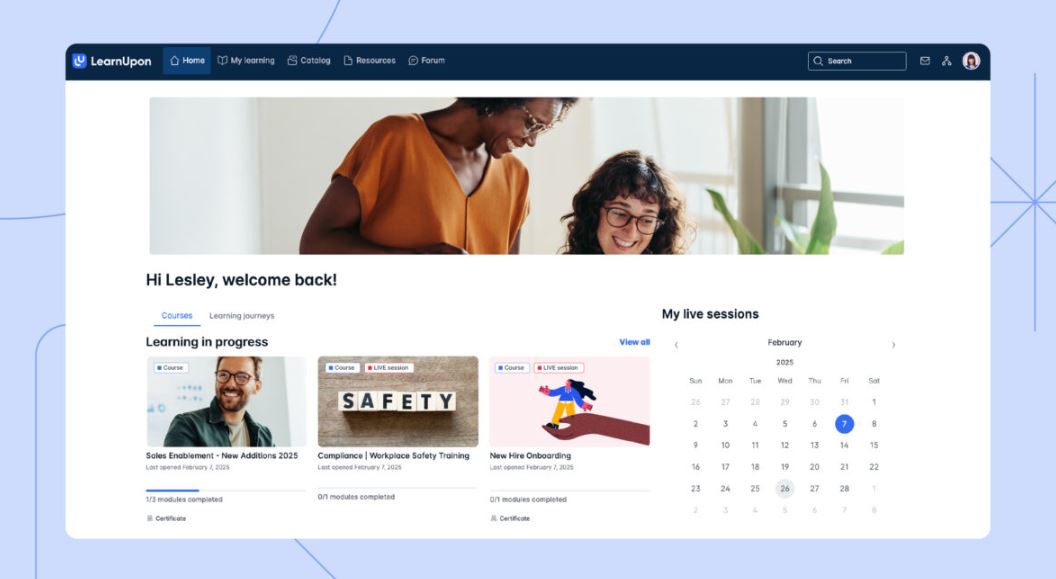
LearnUpon is a cloud-based LMS designed to deliver structured training programs with minimal overhead. It is commonly used for compliance training, onboarding, and customer education.
The platform allows administrators to assign mandatory courses, manage certifications, and schedule recurring training. Its interface is straightforward, which helps employees complete required training efficiently.
LearnUpon provides reporting features that support compliance tracking and audits. Administrators can quickly see who is compliant, who is overdue, and where follow-up is required.
LearnUpon works well as a focused training tool. Organizations often rely on additional systems for policy distribution and internal communication to support compliance beyond course completion.
Key features of LearnUpon
- Simple course management: Reduces administrative effort.
- Certification workflows: Supports ongoing compliance requirements.
- Clear reporting: Improves visibility into training status.
Best for: Teams that want structured compliance training without complexity.
9. Schoox
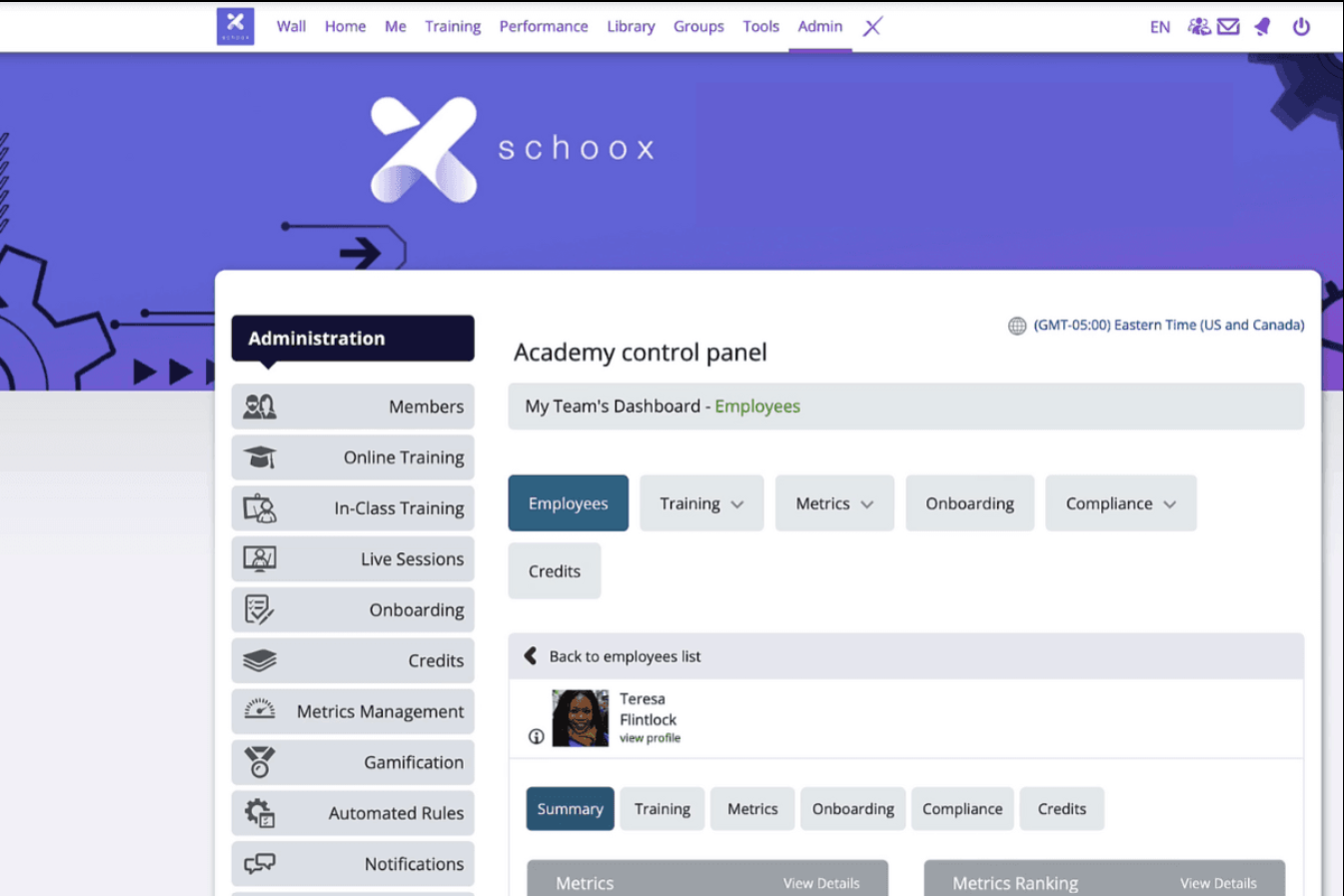
Schoox combines learning management with performance and engagement features. It is often used in industries with distributed or frontline workforces that require consistent compliance training.
The platform supports mobile-friendly training delivery, making it easier for employees without regular desk access to complete mandatory courses. Administrators can assign training by role and location and track completion centrally.
Schoox also encourages peer learning and social interaction, which can help reinforce compliance concepts beyond formal courses. Reporting tools provide visibility into completion rates and certifications.
For organizations with complex regulatory needs, Schoox may need to be paired with additional compliance tools to support deeper audit requirements.
Key features of Schoox
- Mobile-accessible training: Supports frontline and distributed teams.
- Role-based assignments: Improves relevance and completion rates.
- Engagement features: Reinforces learning through interaction.
Best for: Organizations with frontline or hourly workforces.
10. 360Learning
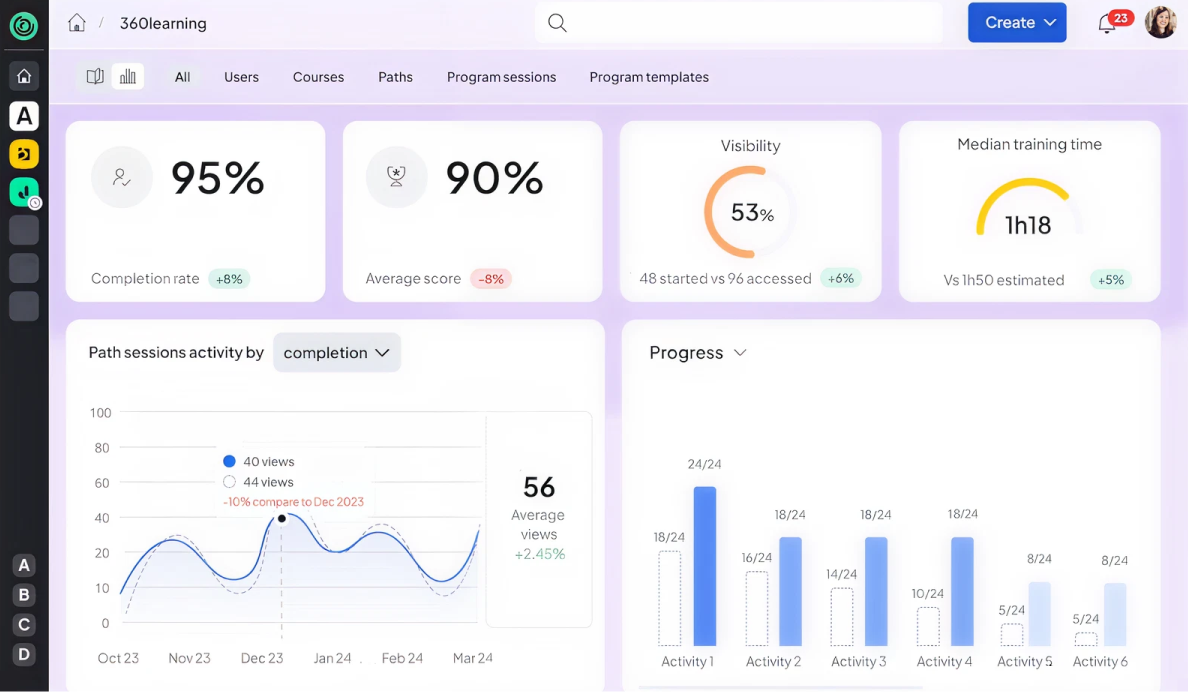
360Learning focuses on collaborative learning, enabling subject matter experts to contribute training content directly. This approach can be effective for keeping compliance materials current.
The platform supports mandatory training, quizzes, and certifications. Administrators can assign compliance courses and track completion through centralized dashboards.
360Learning’s strength lies in speed and adaptability. Internal experts can quickly update content when regulations or policies change. This reduces reliance on static courses that become outdated.
However, organizations with strict compliance governance may need tighter controls over content creation and approvals.
Key features of 360Learning
- Collaborative content creation: Keeps compliance training current.
- Fast course updates: Adapts quickly to regulatory changes.
- Completion tracking: Maintains visibility and accountability.
Best for: Teams that want agile, expert-led compliance training.
Choosing the right compliance training software for your organization
Compliance training software supports accountability, consistency, and trust across your organization. The right platform reduces risk while respecting employees’ time and attention.
For many organizations, the difference lies in how well compliance connects to everyday work. Training that lives in isolation often feels disconnected and forgettable. When compliance is embedded into the tools employees already use, adoption improves and risk decreases.
Axero brings compliance training into the heart of the digital workplace. By uniting training, policies, communications, and knowledge in one platform, we help organizations move beyond checkbox compliance toward shared understanding and accountability.
If you want compliance training that fits naturally into how your teams work, book a demo with Axero today.







 info@axerosolutions.com
 1-855-AXERO-55