
What is Remote Work?
Remote work refers to a work arrangement where employees perform their tasks outside of a traditional office environment, often from home, coworking spaces, or anywhere with a stable internet connection. It eliminates the need for employees to commute to a central office, giving them flexibility in terms of location, working hours, and work environment. This model leverages technology to bridge the physical distance between workers and employers, enabling communication, collaboration, and productivity despite being geographically dispersed.
Remote work can be a permanent arrangement, or it can be part-time or temporary, depending on the company’s policies and the nature of the employee’s role. It has become more popular in recent years, particularly due to advancements in digital tools, such as cloud computing, project management software, and communication platforms. These tools help teams communicate effectively, ensuring clarity and immediacy in their interactions.
Comprehensive Explanation
The Rise of Remote Work
Remote work is not a new concept, but its popularity has surged in recent years. Once largely limited to certain industries or job roles, it has expanded to many sectors, from technology and marketing to finance and customer support.
The COVID-19 pandemic acted as a catalyst for the mass adoption of remote work. Just days ago, companies worldwide were forced to transition to remote models to continue business operations while adhering to health and safety guidelines. As businesses adapted to the new normal, many realized the advantages of remote work, such as cost savings on office space, increased flexibility, and improved work-life balance for employees.
Now, with the availability of sophisticated communication tools, project management software, and virtual collaboration platforms, remote work is not only feasible but often preferable for employees seeking flexibility.
Key Components of Remote Work
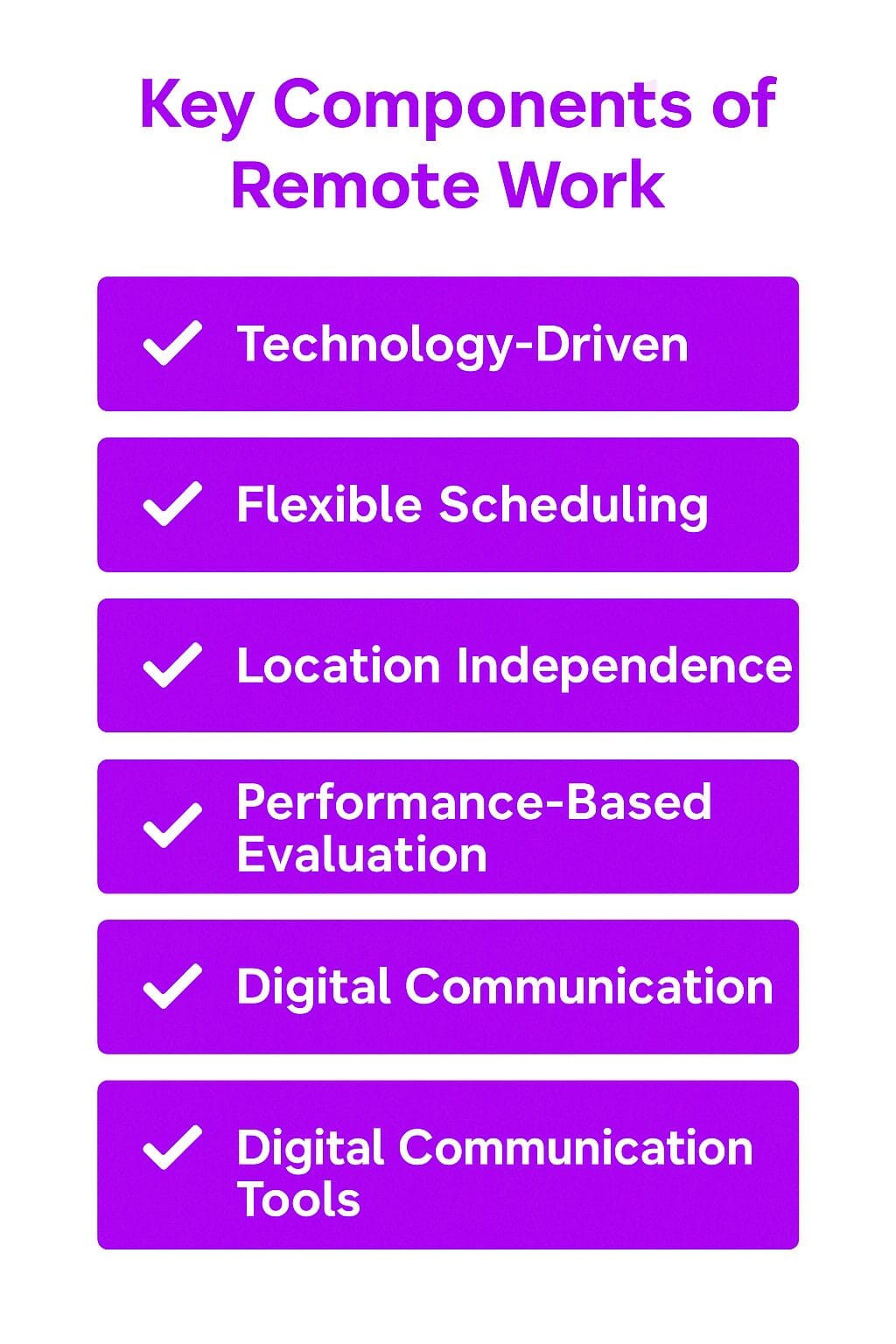
- Technology-Driven: Remote work heavily relies on digital tools that enable communication, collaboration, and task management. Tools like Zoom, Microsoft Teams, Slack, and Trello facilitate communication and project tracking among remote teams.
- Flexible Scheduling: Remote work often offers flexible hours, allowing employees to work at times that suit them best, as long as the tasks are completed. This flexibility contributes to a better work-life balance.
- Location Independence: Employees can work from various locations, including their homes, coworking spaces, or while traveling, making it an ideal choice for individuals seeking geographic flexibility.
- Performance-Based Evaluation: In a remote work environment, employee performance is typically measured by output and results rather than the number of hours worked. This shift allows for a greater focus on efficiency and productivity.
Key Stages/Components of Remote Work
1. Transitioning to Remote Work
For businesses, the first step in implementing remote work is transitioning from a traditional office setting to one that accommodates remote operations. This can include:
- Choosing the Right Tools: Selecting software and platforms that facilitate communication, document sharing, project management, and collaboration.
- Setting Clear Expectations: Clearly defining remote work policies, including work hours, communication expectations, and deliverables.
- Employee Onboarding: Adjusting the onboarding process to fit the remote model, including providing training on using digital tools and managing remote workflows.
2. Communication Tools and Technology Setup
Effective communication is key to the success of remote work. The right technology ensures that team members remain connected, no matter where they are located. Key communication tools include:
- Instant Messaging: Platforms like Slack and Microsoft Teams allow for quick messaging and collaboration across teams.
- Video Conferencing: Zoom, Google Meet, and Microsoft Teams are essential for virtual meetings, allowing face-to-face communication despite physical distances.
- File Sharing and Collaboration Tools: Cloud-based platforms like Google Drive and Dropbox ensure that team members can access shared documents and work collaboratively in real time.
3. Setting Boundaries and Creating a Productive Environment
Remote workers need to set boundaries to maintain a healthy work-life balance. It’s important to:
- Designate a Work Space: Setting up a dedicated workspace helps employees separate personal and professional tasks.
- Set Working Hours: While flexibility is important, establishing set working hours can help employees stay organized and avoid burnout.
- Minimize Distractions: Creating a productive environment at home requires minimizing distractions, whether that means finding a quiet space or using time management techniques to stay on track.
4. Performance Management and Tracking
Performance management in remote work environments differs from traditional office settings, requiring employees to log their working hours and activities. Companies often rely on:
- Outcome-Based Metrics: Rather than focusing on hours worked, remote work performance is evaluated based on completed tasks, project progress, and results.
- Regular Check-Ins: Managers often schedule regular check-ins or weekly meetings to provide feedback, discuss goals, and align priorities.
- Task Management Tools: Tools like Asana or Jira help track progress, set deadlines, and assign tasks, ensuring transparency and accountability in remote workflows.
5. Maintaining Company Culture in a Remote Setting
Building and maintaining a strong company culture is challenging when employees are dispersed. However, it is crucial to:
- Foster Regular Communication: Encouraging open and frequent communication helps maintain transparency and trust.
- Virtual Team Building: Virtual happy hours, online games, and team challenges can help maintain team morale and build camaraderie.
- Align on Values: Regular discussions about company values and mission ensure that employees feel connected to the broader goals of the organization.
Purpose and Importance of Remote Work
1. Work-Life Balance
One of the biggest advantages of remote work is its ability to improve work-life balance. Employees can structure their day in a way that accommodates both personal and professional obligations, reducing stress and increasing overall satisfaction.
2. Cost Savings for Employers and Employees
Remote work reduces the need for office space, utility costs, and overhead associated with maintaining a physical workspace. For employees, it can eliminate commuting expenses, which can be a significant financial burden. Both parties can save money while benefiting from a more flexible work environment.
3. Access to a Global Talent Pool
Remote work enables businesses to hire the best talent regardless of location. This opens up opportunities for companies to access a more diverse pool of candidates with unique skills, perspectives, and experiences.
4. Improved Employee Retention
Providing the option to work remotely has been shown to increase employee satisfaction and retention. Employees who are allowed to work from home are more likely to stay with their employer, reducing turnover rates and the associated costs of hiring and training new employees.
Benefits and Challenges of Remote Work
Benefits
- Increased Flexibility: Employees can work from anywhere, at times that suit them, which leads to better work-life balance and greater job satisfaction.
- Cost Savings: Both companies and employees save money by reducing the need for physical office space and daily commuting costs.
- Access to a Larger Talent Pool: Remote work allows businesses to recruit from a global talent pool, bringing in diverse expertise and skills.
- Improved Productivity: Many remote workers report higher productivity due to fewer distractions and the ability to create a work environment that suits their needs.
- Environmental Impact: With fewer people commuting to work, remote work can reduce carbon emissions, contributing to sustainability goals.
Challenges
- Social Isolation: Remote work can lead to feelings of isolation and loneliness, particularly for employees who thrive on social interaction.
- Communication Barriers: Without face-to-face interaction, communication can become fragmented, leading to misunderstandings or a lack of clarity.
- Work-Life Boundaries: It can be difficult for remote workers to set clear boundaries between work and personal life, leading to overwork or burnout.
- Technology Dependence: Remote work heavily relies on technology, and any technical issues (e.g., internet connectivity problems) can disrupt work.
- Managing Remote Teams: For managers, supervising a remote team can be more challenging than in-office management, requiring new strategies for communication and performance tracking.
Types of Remote Work Arrangements
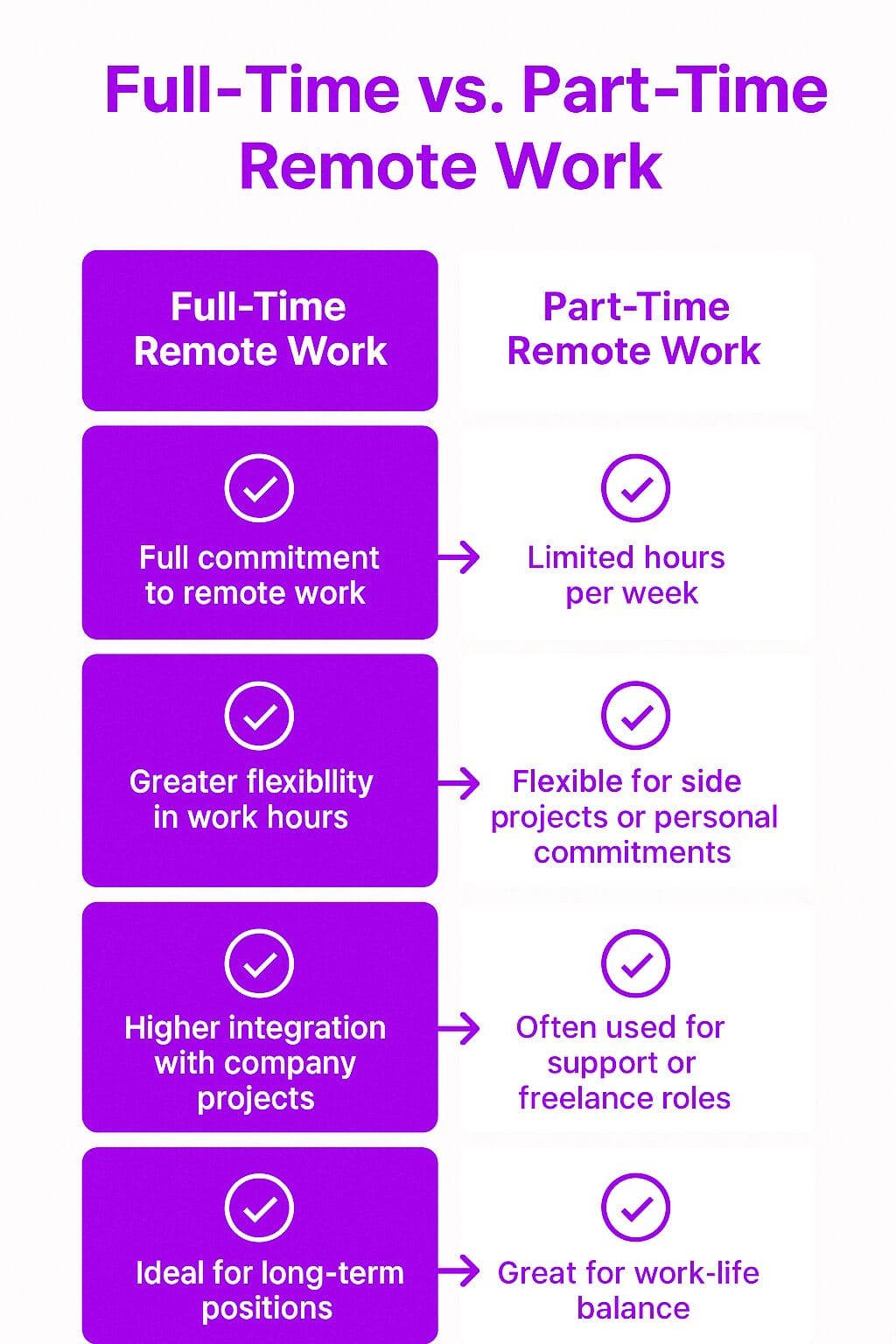
Remote work arrangements have become increasingly popular, offering employees the flexibility to work from anywhere, at any time. There are several types of remote work arrangements, each with its own benefits and drawbacks.
Full Time Remote Jobs
Full-time remote jobs are those where employees work remotely for the entire duration of their employment contract. This type of arrangement is ideal for employees who value flexibility and autonomy, as they can work from anywhere and at any time. Full-time remote jobs are often available in industries such as software development, customer service, and marketing. These roles allow employees to fully immerse themselves in their work without the constraints of a traditional office environment, fostering a sense of independence and self-management.
Part Time Remote Jobs
Part-time remote jobs are those where employees work remotely for a portion of their employment contract. This type of arrangement is ideal for employees who need to balance work with other responsibilities, such as family or education. Part-time remote jobs are often available in industries such as data entry, virtual assistance, and online tutoring. These roles provide the flexibility to manage personal commitments while still maintaining a professional career, making them a popular choice for many remote workers.
Entry Level Remote Jobs
Entry-level remote jobs are designed for employees who are new to the workforce or are looking to transition into a new career. These jobs often provide training and support to help employees develop the skills and knowledge needed to succeed in their role. Entry-level remote jobs are often available in industries such as customer service, data entry, and marketing. These positions offer a great starting point for individuals looking to gain experience and build a career while enjoying the benefits of working remotely.
Finding Remote Work Opportunities
Finding remote work opportunities can be challenging, but there are several strategies that can increase your chances of success.
Remote Job Boards
Remote job boards are websites that specialize in listing remote job opportunities. These boards often feature a wide range of jobs, from entry-level to executive positions, and can be searched by location, job type, and industry. Some popular remote job boards include We Work Remotely, Remote.co, and FlexJobs.
In addition to remote job boards, there are several other ways to find remote work opportunities:
- Networking: Reach out to friends, family, and colleagues to see if they know of any remote job opportunities. Personal connections can often lead to job leads that are not advertised publicly.
- Social Media: Use social media platforms such as LinkedIn and Twitter to search for remote job opportunities and connect with potential employers. Following companies and joining industry-specific groups can also provide valuable insights and job leads.
- Company Websites: Many companies list their remote job opportunities on their own websites. Research companies in your industry and check their websites for remote job listings. This direct approach can sometimes reveal opportunities that are not listed on job boards.
- Recruiters: Consider working with a recruiter who specializes in remote job placements. Recruiters can provide personalized assistance and match you with remote job opportunities that fit your skills and preferences.
By using these strategies, you can increase your chances of finding a remote job that meets your needs and provides the flexibility and autonomy you desire. Whether you are looking for full-time, part-time, or entry-level remote jobs, these approaches can help you navigate the remote job market effectively.
Practical Tips and Best Practices
- Set Clear Expectations and Goals
- Clearly define job expectations and goals to ensure that remote employees understand what is expected of them and can manage their work accordingly.
- Use the Right Tools
- Invest in effective communication and project management tools to ensure smooth collaboration. Tools like Slack, Zoom, Asana, and Trello can help keep remote teams aligned.
- Maintain Regular Communication
- Set up daily or weekly meetings to ensure that team members remain engaged and informed. This also fosters accountability and offers opportunities for feedback.
- Foster a Sense of Community
- Use virtual meetings, social events, and team-building exercises to keep remote employees connected and engaged. This helps maintain a strong company culture and combats feelings of isolation.
- Offer Flexibility and Support
- Provide employees with the flexibility to balance their work and personal lives. Encourage a healthy work schedule, and ensure employees feel supported in managing their responsibilities.
Related Sub-concepts
- Hybrid Work
- Hybrid work refers to a flexible working arrangement where employees split their time between working remotely and working from a physical office. This model allows for a blend of both in-office and remote benefits.
- Digital Nomads
- Digital nomads are individuals who use technology to work remotely while traveling the world. This lifestyle enables individuals to work from various locations, combining work with exploration.
- Telecommuting
- Telecommuting is a term often used interchangeably with remote work, though it traditionally refers to employees working from home one or more days a week while maintaining a base office.
Real-world Examples and Use Cases
- Tech Companies:
Companies like GitLab and Automattic have long embraced remote work. Their employees work from various global locations, with these companies using advanced communication tools to maintain productivity and collaboration. - Salesforce:
Salesforce has embraced a flexible work-from-home policy for employees, offering remote work options and hybrid models to support work-life balance while maintaining high levels of employee engagement. - Customer Support:
Many customer service representatives work remotely, using platforms like Zendesk to manage and respond to customer inquiries. This allows for better coverage and reduces operational costs for businesses.
Conclusion
Remote work is an increasingly prevalent and essential work model that offers numerous benefits, including flexibility, cost savings, and increased access to a global talent pool. However, it also presents challenges such as communication barriers and feelings of isolation. By adopting best practices like setting clear expectations, using the right tools, and maintaining regular communication, companies can create an effective remote work environment that supports both employee satisfaction and organizational productivity. With the right approach, remote work can be a win-win for both employers and employees, contributing to a healthier work-life balance and long-term success